

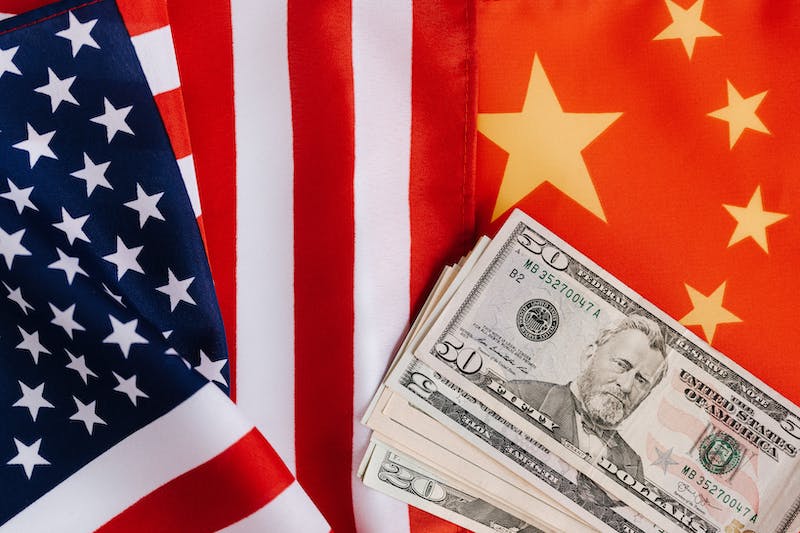
December 6, 2023: Proposed guidance to further clamp down on the use of China-supplied content in batteries eligible for EV tax credits in the US was unveiled by the Biden administration on December 1.
The move, by the Department of Energy, aims to clarify the definition of ‘foreign entities of concern’ (FEOC) set out in the Bipartisan Infrastructure Law — designed to curb the dominance of Chinese and other players outside the US and boost domestic manufacturing capabilities.
The guidance, published for public comment, comes as rules on FEOCs are set to take effect in 2024 for completed batteries and 2025 for critical minerals used to produce them.
FEOC rules cover battery materials processing and battery manufacturing and recycling grants — which have a statutory requirement to prioritize projects with non-FEOC-based supply chains.
There are also limits to clean vehicle tax credits where firms have battery supply chain links to FEOCs.
A foreign entity, under the Department of Energy’s proposed guidance, would mean a government of a foreign country or someone that is not a lawful permanent resident or citizen of the US.
Partnerships, associations, corporations, organizations or other combination of persons organized under the laws of a foreign country, or having their principal place of business in a foreign country, would also be classed as foreign entities.
According to a report by the US Geological Survey published in February 2022, the country is heavily dependent on imports for key battery materials including cobalt, lithium, manganese and nickel.
Last May, the Department of Energy reversed its decision to award Microvast a $200 million grant to build a lithium ion battery separator plant, amid claims the company had links to China.
However, Microvast founder, chairman and CEO Yang Wu, an American citizen, said neither China’s government or the Chinese communist party had any ownership of the firm or influenced operations in any way.
In September, US legislators threatened to haul Ford CEO Jim Farley before Congress if they did not receive documents relating to the auto firm’s partnership with Chinese battery giant CATL.
Image: Karolina Grabowska / Pexels