
March 13, 2025: The EU has announced a planned €1.8 billion ($2 billion) financial boost to secure battery raw materials needed to power Europe’s automotive industry.
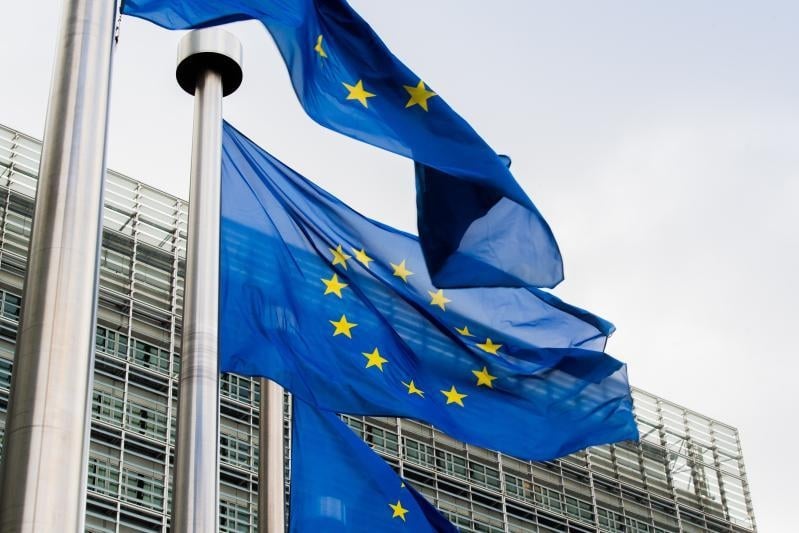
European Commission president Ursula von der Leyen proposed the fresh tranche of funding on March 5 — in an action plan designed to promote greater domestic production of raw materials and steer away from supply chain dependencies beyond Europe, “especially for batteries production”.
The EU chief indicated that Europe’s cherished green agenda was no longer in the driving seat, as she pledged a more “pragmatic and flexible approach” on emissions targets to ensure development of the bloc’s still-nascent battery sector for energy storage and EVs can accelerate.
She said it was crucial that Europe achieves cost-competitive EU cell production that would cover a large part of the supply of batteries and generate European value-added along the supply chain.
The European Commission will also look into “direct production support” to companies producing batteries and “non-price criteria for components such as resilience requirements”, although no details were outlined.
Von der Leyen said the Commission had noted clear demand for more flexibility in relation to CO2 targets.
The Commission is drawing up an amendment to its CO2 Standards Regulation for cars and vans this month that could pave the way for car manufacturers to spread emissions compliance requirements over a longer, three-year period, while keeping “the overall ambition on 2025 targets”.
The announcement came just weeks after Batteries International reported industry concerns that Europe risked becoming an assembly plant for Asian battery giants — some of which are receiving millions of euros in subsidies for projects that may breach the bloc’s own environmental rules.
Fears were raised in a study released last month by European clean transport campaign group, Transport & Environment, which cast doubt on the benefits of European partnerships with Chinese and Korean battery majors.
The group warned in 2023 that auto firms in the European market had secured less than a fifth (16%) of the key battery metals they would need until 2030.
Meanwhile, also on March 5, the Commission unveiled new battery-related waste codes in a bid to conserve critical raw materials.
Environment commissioner Jessika Roswall said black mass will be classified as hazardous waste, which would lead to better control of the material’s shipments and a ban on its export to non-OECD countries.
“By keeping black mass longer in the economy we can boost battery recycling and our circular economy.”
The move comes in despite of warnings issued last year that such a classification, coupled with existing bottlenecks disrupting shipments of used lithium batteries for processing between EU member states, could be a hammer blow for Europe’s fledgling recycling sector — and actually deprive battery manufacturers of domestic supplies of raw materials.