
June 29, 2025: Investment in batteries with a six-hour energy storage capacity and a major expansion of wind and solar is needed as Western Australia charts a course to cease coal-fired generation, according to a new report.
The Australian Energy Market Operator (AEMO) said peak electricity demand growth, alongside potential new and retiring generation, underscores the need for greater investment in areas including long duration battery storage to support electricity security and reliability in the South West Interconnected System (SWIS).
AEMO said in its 2025 Electricity Statement of Opportunities forecast, published this month, SWIS is one of the most isolated large power systems in the world — making it particularly sensitive to changes in technology, generation mix, weather patterns and consumption behaviour.
Extreme heatwave conditions over the last two summers led to higher than anticipated cooling load response, leading to many peak demand records, AEMO said.
An expected connection of more than 1,000MW of battery storage by 2026-27 will provide the ability to meet fast increases and decreases in demand and help tackle declining minimum demand, according to the forecast.
This battery storage could soak up excess solar output in the middle of the day, potentially avoiding the need to trigger emergency management measures such as the disconnection of BESS and solar facilities.
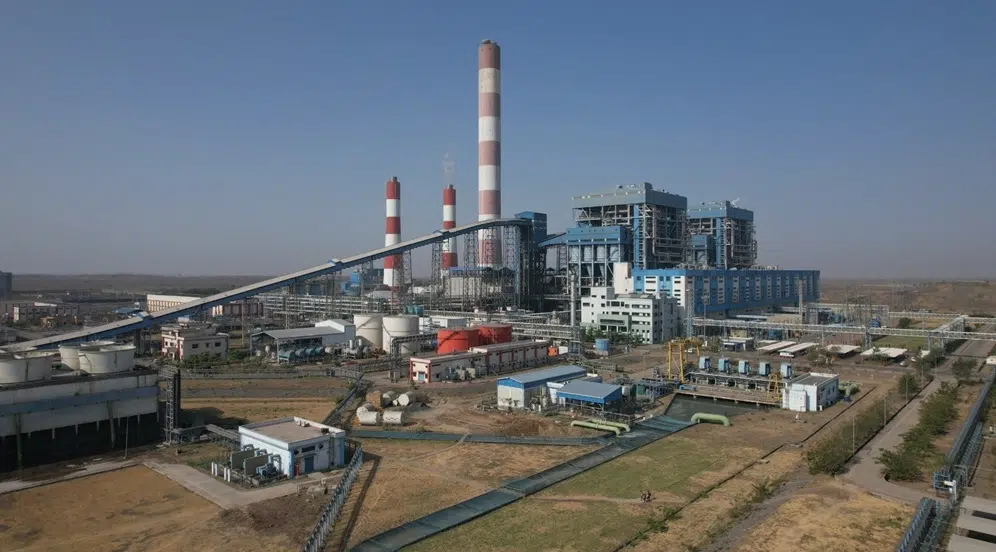
However, for the 2025-26 summer, a small 50MW shortfall has been forecast, which is less than the previous three summers. Meanwhile, nearly 2,000 MW of ageing coal and gas power stations are to be retired from 2027 to 2032.
AEMO interim executive general manager Western Australia, Nicola Falcon, said since 2023 almost 500MW of battery storage has begun operating in SWIS, with a further 728MW of committed storage planned to be online in 2025-26.
“Over the last few years, strong investment, particularly in battery storage, has helped alleviate previously forecast risks to reliability in the state’s main power system,” Falcon said.