
The US Department of Energy has reinstated a grant to support building a $115 million lithium refinery project in Nevada after an appeal by the American Battery Technology Company (ABTC).
The grant to ABTC was terminated last October ― along with more than 200 projects that the Trump administration said then would save taxpayers more than $7 billion.
However, the US government has since ramped up support to boost supply chains and domestic production of critical minerals and materials processing, along with derivative battery manufacturing and recycling.
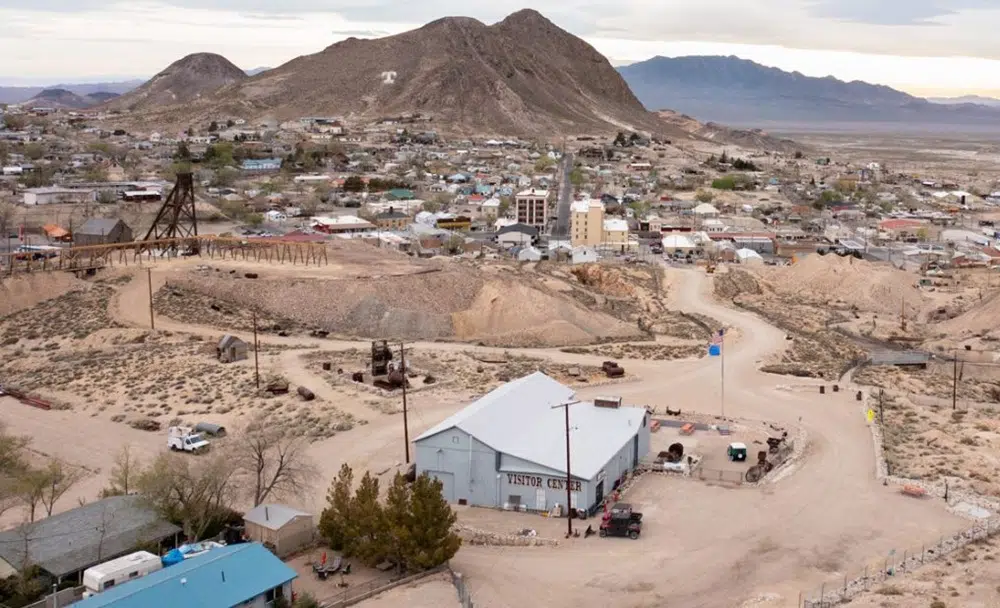
ABTC said on June 8 it had won its appeal for reinstatement of its competitive five-year grant toward construction of the first phase of its commercial scale critical mineral lithium refinery, as part of its Tonopah Flats Lithium Project (TFLP).
The company received an initial grant from the DoE in January 2021 to fund the demonstration and scaling of its extraction technologies. An additional grant was awarded for $57 million to design, construct, commission and operate the commercial scale facility, with an initial capacity of 5,000 tonnes of battery-grade lithium hydroxide per year.
Before the termination, ABTC had successfully completed the first two years of the contracted grant and had been selected for fast-tracked federal permitting.
TFLP encompasses one of the largest known measured, indicated, and inferred lithium claystone resource deposits in the US.
A pre-feasibility study of TFLP, published in October 2025, indicated that the project had a highly competitive cost of production of $4,307 per tonne of lithium hydroxide monohydrate.
ABTC’s CEO Ryan Melsert praised the firm’s long-standing partnership with the DoE and the department’s “rigorous due diligence” in concluding the critical mineral lithium refinery project had achieved all of its contracted technical and commercial milestones to date, and that continued federal support was warranted.
“Of the hundreds of DoE grants terminated last fall, very few have been able to successfully appeal the decisions and have their contracts reinstated,” he said.