

August 11, 2022: Europe’s nascent battery cells industry and renewables are under threat from EU gas rationing measures that came into force on August 9 say metals producers — who themselves say they are “preparing for a life-or-death winter”.
The EU’s civil service arm, the European Commission, said all member states should reduce gas demand by 15% from August 1 until March 31, 2023 — in anticipation of a complete halt in supplies from Russia as retaliation for sanctions over the war in Ukraine.
Eurometaux, which represents non-ferrous metals producers and recyclers in the region, said on July 20 it was imploring governments to “do whatever they can to preserve basic industries like the metals sector” and avoid supply curtailments.
The trade body’s director general, Guy Thiran, said: “Our materials are used across Europe’s essential value chains and supply the clean energy technologies needed to transition away from Russian fossil fuels.
“We also see a direct threat to Europe’s accelerated clean energy goals,” he said. “The EU’s planned production of batteries, solar panels, wind turbines and electric vehicles will require a secure supply of metals in rising volumes.”
Thiran said his members were bracing themselves in the wake of existing unilaterally high levels of electricity prices.
According to Eurometaux, metals facilities across the continent are at risk of closure without stronger and more coordinated EU and national cost-offsetting measures.
Disruptions to production would lead to clean energy technologies — which are at the heart of EU plans to end dependence on Russian gas before 2030 — becoming “more expensive and being forced to use materials with a much a higher climate footprint”.
“Once a smelter has curtailed, there is no certainty of a return to operation given the complexity and costs involved,” said Eurometaux, noting that restarting an aluminium smelter typically requires between €200 million ($205 million) and €400 million and several months of work.
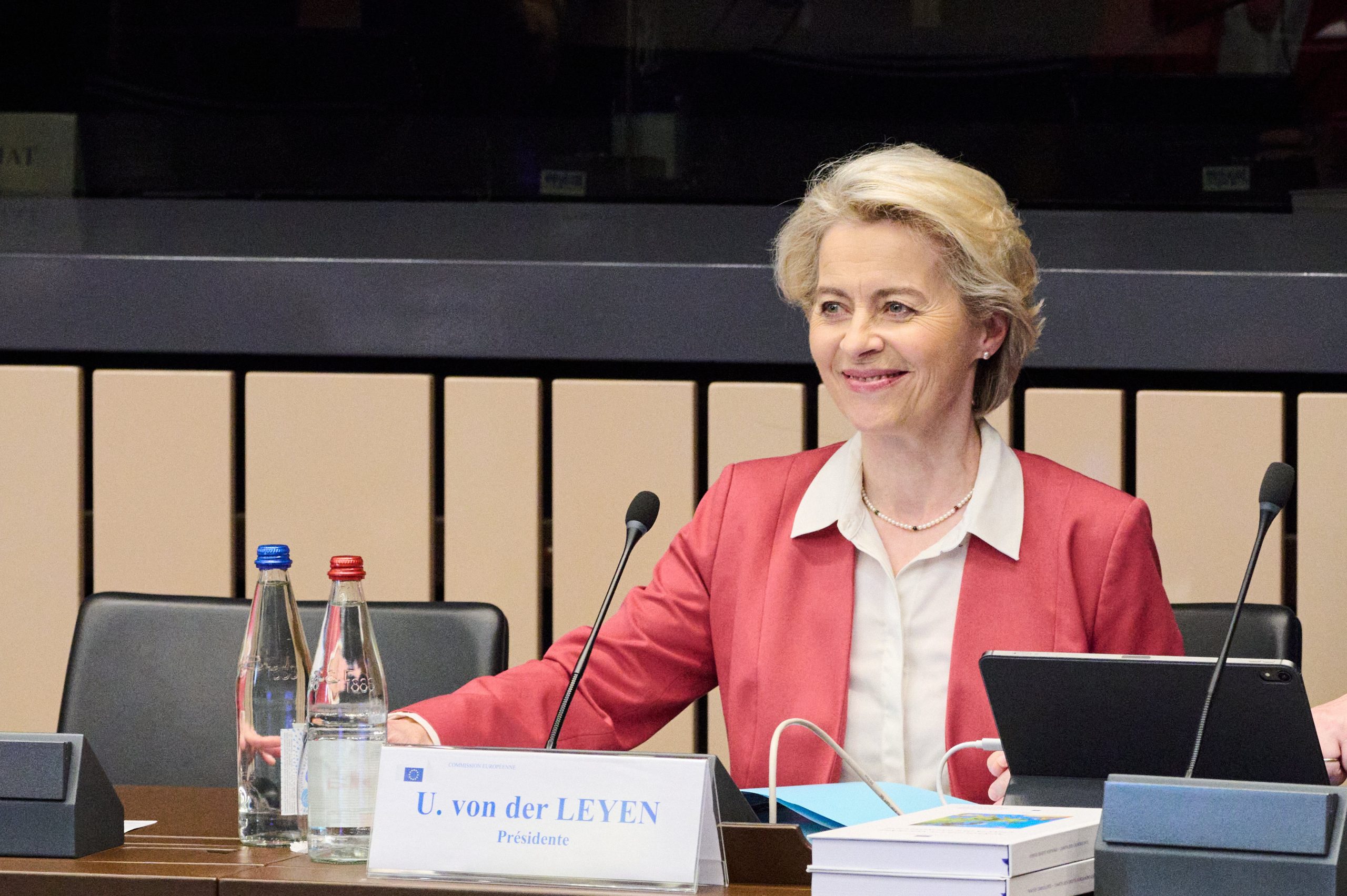
European Commission president Ursula von der Leyen said on July 20 that a 15% EU-wide reduction in gas consumption was the equivalent of 45 billion cubic metres of gas.
“With such a reduction, we can make it safely through this winter in case of a complete disruption of Russian gas.”