

August 16, 2018: Exide Industries, the Indian automotive battery giant, announced a variety of plans in early August to invest over Rs5.5 billion ($78 million) in creating new facilities at its existing plant in West Bengal. This is in addition to introducing manufacturing lead bipolar batteries following its link up with Advanced Battery Concepts earlier this year. Read here for previous story.
The plans will make it one of the biggest battery-making centres in southeast Asia, producing everything from recycled lead to finished products. It also signals a shift in emphasis as the firm moves to adopt different battery technologies into its manufacturing streams.
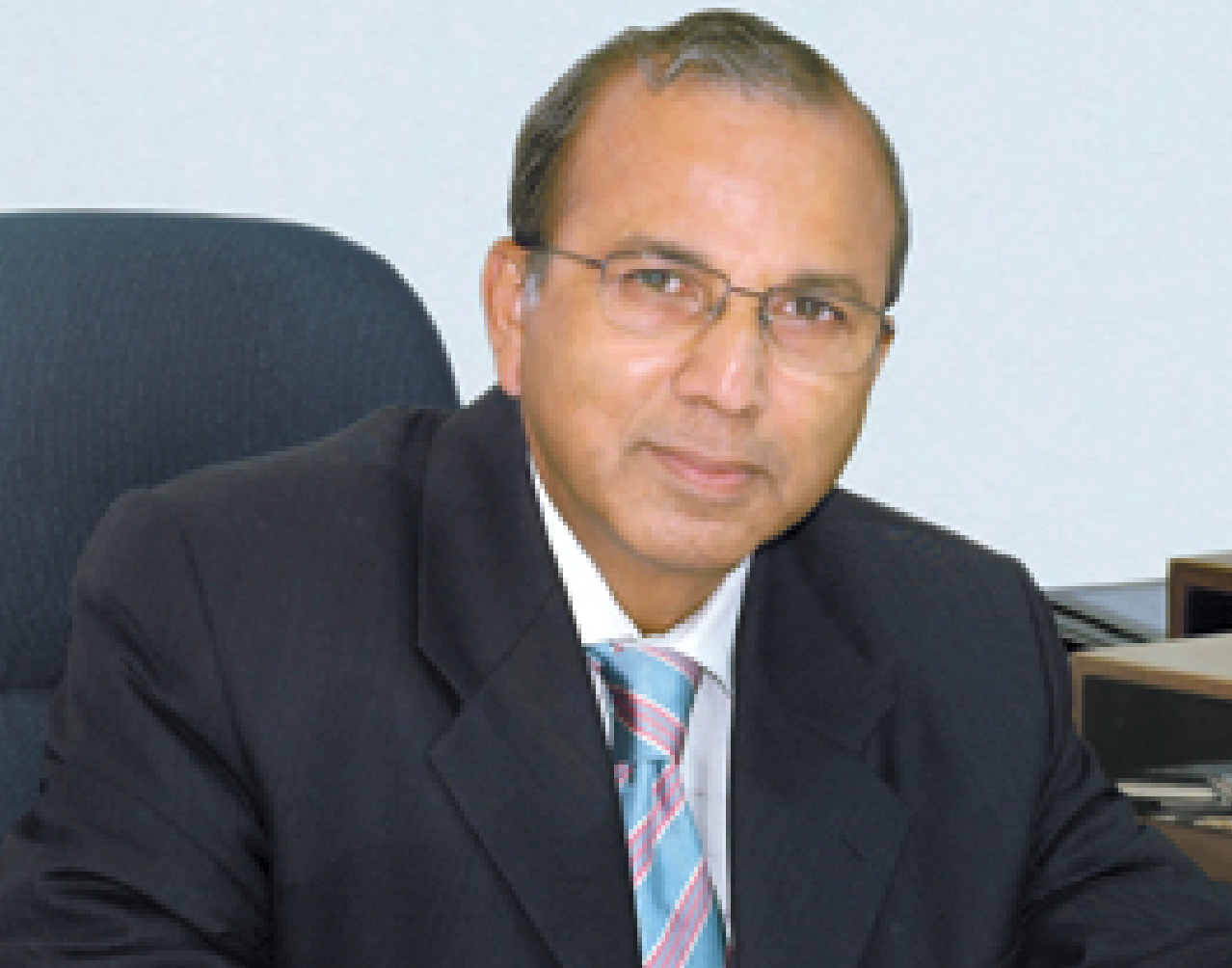
Location of the bipolar plant will be a choice between two spots. “If we want to tap the e-rickshaws segment, then the plant could come up in Haldia [the company headquarters in West Bengal],” Exide managing director Gautam Chatterjee (pictured) said after the firm’s AGM in early August. “But if we wish to tap the telecom sector, then we would prefer to have it at Hosur in Tamil Nadu.”
Don Hobday, vice president of business development with ABC, told BESB: “ Exide is talking to its investors about their plans to build a facility to manufacture the Green Seal batteries — it’s an update to investors to say they have seen it, like it and want to build it themselves. “When you acquire the technology there’s some proving out to do, that’s what they’ve been doing — and now they are commercializing it.“We have others that we are working with but cannot talk about, but there should be an announcement within the next few weeks.”
It will take up to a year for the company to develop and firm up its plan on the product or segment it wishes to tap for bipolar batteries.
More definitive were the firm’s plans to expand its existing facilities in regular lead batteries but also a move to make nickel cadmium batteries. This will mainly involve production of high end nickel cadmium batteries in technical collaboration with Japan’s Furukuwa Batteries. The batteries are used in applications for bullet trains, metro rail and other critical installations.
The NiCd and lead battery projects will be completed in the next 12-18 months.
Exide says it has procured around 40 acres at Haldia from Kolkata Port Trust and Haldia Development Authority.
“The first 20 acres is adjacent to our existing factory and we plan to go for capacity expansion of lead acid batteries there. On the other 20, we plan to set up a scrap battery recycling unit,” Chatterjee said.
Media reports say this will be the country’s largest battery recycling plant with a monthly capacity of 15,000 tonnes. It will involve a technical tie-up with Italy’s Engitec Technologies.
The company already has two scrap battery recycling units, one at Pune and Bengaluru. The Haldia unit would take around 12-15 months for the unit to be operational.
The company’s lead recycling operations are carried out by its subsidiary Chloride Metals.
In July Exide said it has entered into an agreement to acquire the Gujarat-based facility of Tudor India where it will make a joint venture with Swiss firm Leclanché in the manufacture of lithium ion batteries. Read here
Tudor was the Indian arm of the US-based Exide Technologies. Last year, Exide Industries had announced that it had reached an out-of-court settlement with Exide Technologies over rights for using the Exide mark in India.