

October 25, 2018: A closed meeting held in Brussels today (October 25) could effectively mark the beginning of the end for the European lead battery industry, says the International Lead Association.
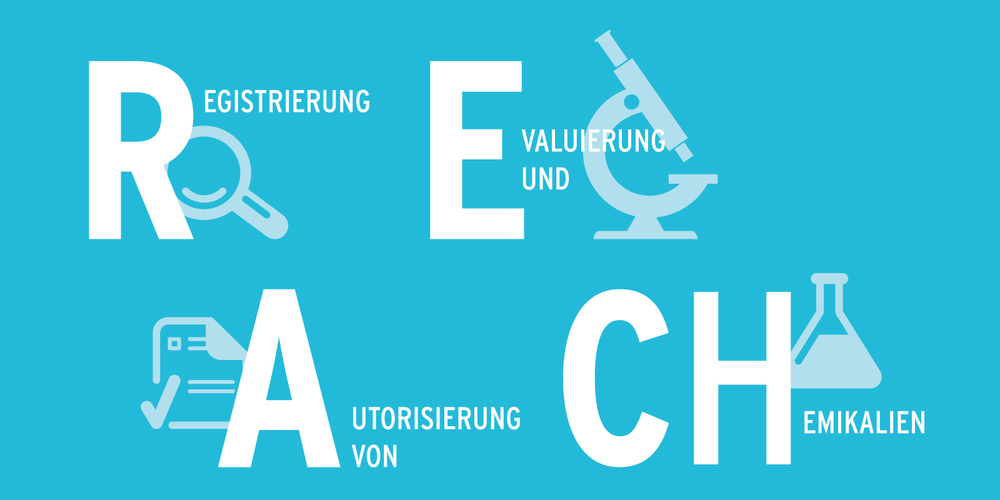
The Reach 133 Committee is a regulatory body that concerns itself with the registration, evaluation, authorization and restriction of chemicals.
REACH was ‘adopted to improve the protection of human health and the environment from the risks that can be posed by chemicals, while enhancing the competitiveness of the EU chemicals industry’, the European Chemicals Agency claims.
In effect, it decides which chemicals it considers harmful and should be restricted or banned from use in products.
Those it decides are potentially harmful are added to a ‘candidate list’ for later investigation as to whether they should be included in an ‘authorization list’. If they are, a time-limited authorization for their use must be sought by the company using them, which would create an enormous headache for firms needing to do so.
What the lead battery industry is concerned about are four lead compounds that are indispensible in the manufacturing process of lead batteries, but which do not themselves appear in the final battery — which is in any case completely sealed.
The four compounds are lead monoxide, lead tetraoxide, tetralead trioxide sulfate and pentalead tetraoxide sulfate. So far, the compounds have been included in the first step, the candidate list, and have been recommended to the Commission for authorization by the European Chemicals Agency.
Yet even on the eve of today’s meeting, it was not made public whether the compounds would be discussed, Lisa Allen, lead REACH consortium manager at the ILA, told BESB.
Although no industry or technical experts are permitted to attend the meeting, which is held behind closed doors, she did say that the ILA and other organizations had been lobbying member states and urging them to be aware of the impact of any ban of the compounds on the industry and the potential loss of thousands of jobs.
“We don’t even know what substances will be discussed — however we do know that following this meeting there may be another one in November, certainly one in February, but all we can do is wait to find out,” she said.