

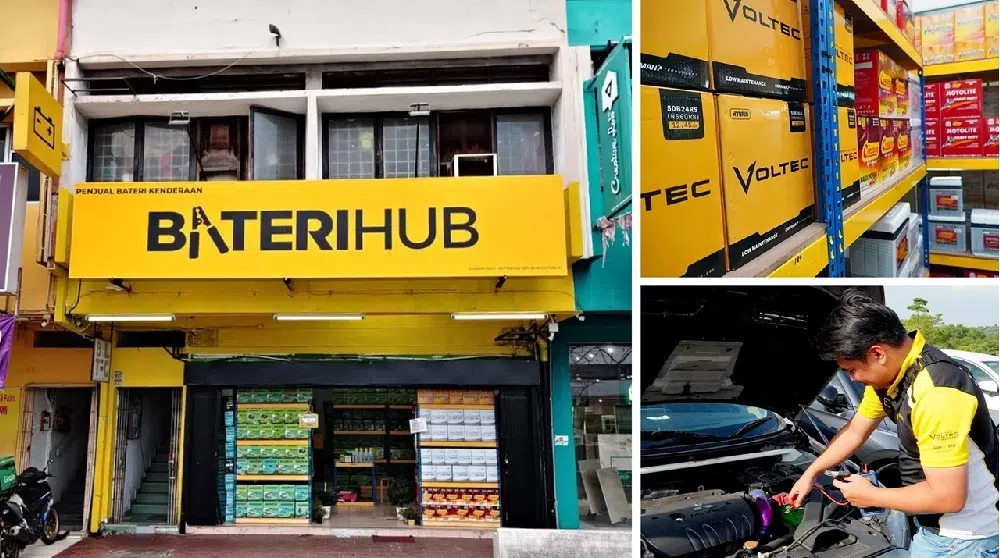
A new lead battery collection scheme has been launched in a bid to strengthen Malaysia’s recycling chain.
Battery collection company BateriHub said on July 1 it had signed a memorandum of understanding (MOU) with MNA Metal Resources to boost responsible collection, documentation and recycling of used automotive batteries.
BateriHub, operated by Battery4U and Global Energy Battery, is Malaysia’s largest direct-owned automotive battery retailer and licensed by the Department of the Environment.
The MOU names MNA, a licensed lead-acid battery recycler and smelter, as the preferred used battery collector ― either directly or through transporters appointed by MNA ― for scrap batteries collected through BateriHub and Global Energy Battery’s operations.
The arrangement is designed to ensure that used batteries are channelled through proper, licensed and documented collection and recycling processes, BateriHub said.
General manager Stanly Ng said the arrangement would ensure used batteries do not “disappear into an unknown chain”.
The partnership comes as Malaysia’s automotive sector continues to expand. According to the Malaysian Automotive Association, Malaysia recorded 820,752 new vehicle sales in 2025, its second consecutive record year.
While this MOU focuses on used lead-acid automotive batteries, it also comes amid wider national attention on battery waste management, with growing attention on the importance of regulated recycling and disposal of batteries as Malaysia’s vehicle ecosystem evolves.
BateriHub customers can hand over old batteries when buying replacements at the firm’s branches or during deliveries.
Global Energy Battery, which focuses on battery wholesale, supply and distribution, also collects batteries through its wider network.
Together, BateriHub and Global Energy Battery have channelled approximately 280,000 used batteries through to formal disposal and recycling over the past three years.
MNA is already licensed by the DOE for its operations including the collection, movement and processing of waste.
Global Energy Battery’s COO, Sandy Yap, said: “As a company involved in the supply and distribution of batteries, we recognise that responsibility does not end at the point of sale.
“A sustainable battery industry requires proper collection, proper documentation and proper recycling. This partnership allows us to support that responsibility across our business network.”
Batteries International reported in March 2025 that Malaysian battery manufacturer ABM Fujiya had launched an EFB production line — just weeks after agreeing a joint venture deal with Chinese lead acid and lithium firm Jujiang Power Group.
Fujiya, which was already a lead battery producer, said the expansion into EFB technology was designed to embrace the market shift toward EVs — and that sector’s still heavy reliance on having both lead and lithium batteries.