
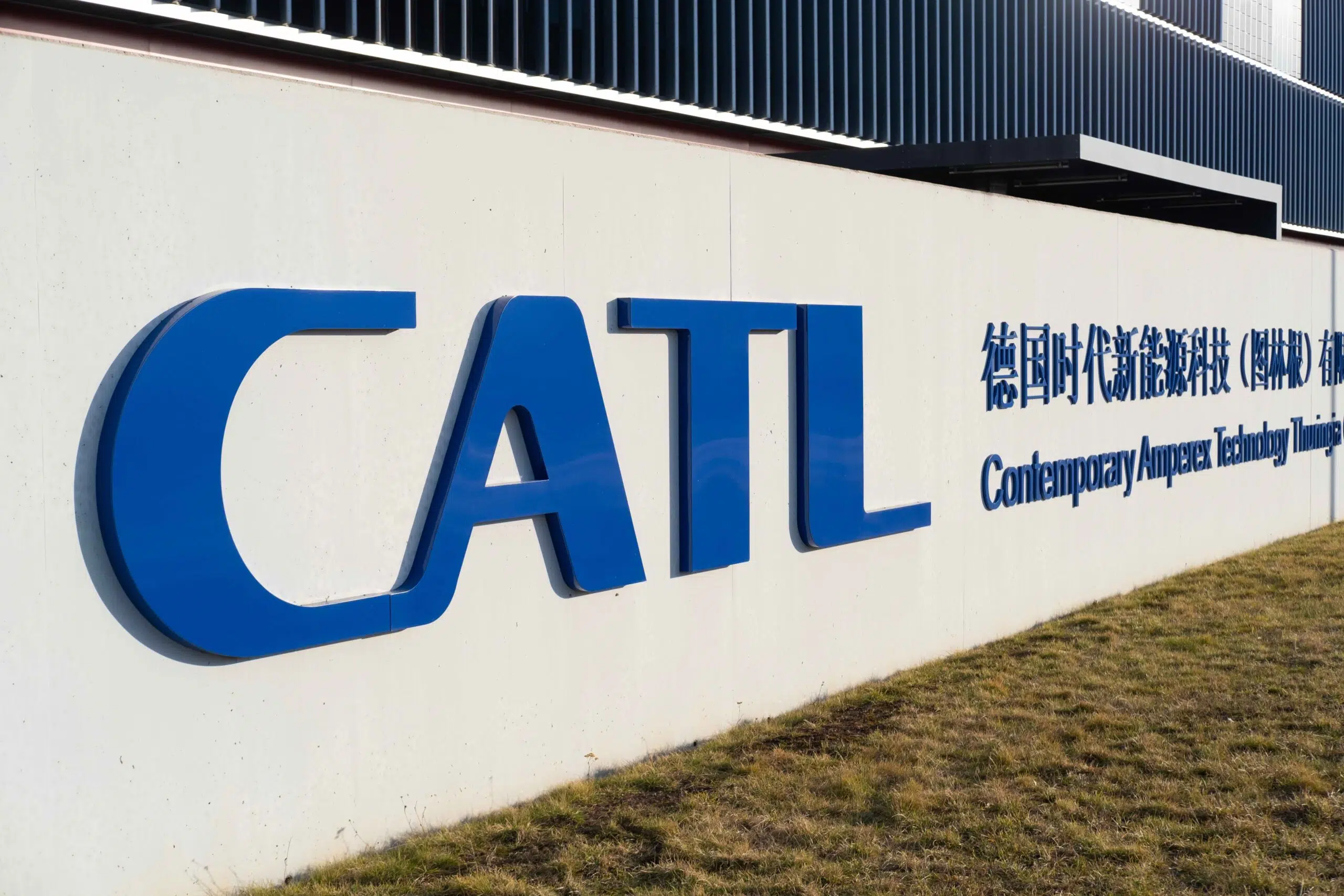
Chinese battery giant CATL and global circular economy charity, the Ellen MacArthur Foundation, are heading up an international consortium backing initiatives for sustainability in battery design and business investment.
CATL and Ellen MacArthur announced on June 29 they had launched two new initiatives together with BMW, Renault, Volvo, Google and Chinese multinational Xiaomi.
The consortium will promote sustainable design guidelines for the entire battery lifecycle, and support measures to accelerate policy, investment and commercial conditions needed to make circular business models the industry norm.
The initiatives were announced during London Climate Action Week as part of CATL’s Global Energy Circularity Commitment — a collaborative initiative with the Ellen MacArthur Foundation.
CATL said common design standards and business models that keep materials in productive use for longer are as important as increased recycling capacity for the future of the battery sector.
By 2040, the global battery recycling market alone is projected to exceed Rmb1.2 trillion ($177 billion), creating more than 10 million jobs, CATL said. Meanwhile, the International Energy Agency projects demand for battery-critical minerals will increase five-fold over the same period.
In a related move, at Octopus Energy’s Energy Tech Summit in London on June 22, CATL and Octopus Energy announced what they said was Europe’s first battery-swapping joint venture, targeting 300,000 electric trucks and 30 hubs across Europe by 2035, with the first UK hubs scheduled to open in 2027.
Octopus Energy Group founder and CEO Greg Jackson said: “By designing batteries to be swapped, optimised, shared and reused thousands of times, we can squeeze every drop of value out of the materials we already have, rather than digging up more.”
In July 2025, CATL outlined plans to “decouple” 50% of new battery production from the use of primary raw materials within 20 years.