

The overall capacity of commercial and industrial (C&I) multi-chemistry energy storage systems in India is set to increase 30-fold over the next six years, according to a new study.
Cumulative ESS installations in the sector are projected to increase from less than 1GWh in 2025 to 23GWh-31GWh by 2032, according to one scenario in the study to be unveiled by the India Energy Storage Alliance (IESA) and Customized Energy Solutions during the India Energy Storage Week starting on July 8 in New Delhi.
The study — India Stationary Storage Market for C&I Applications: Insights Till 2032 — attributes the expansion to a variety of reasons including increasing use of renewable energy systems, growing demand for cost optimisation and decarbonisation goals.
Battery technologies covered by the study include lead acid, advanced lead, lithium ion, VRFBs, sodium ion, and pumped hydro storage systems.
Analysis focuses on LFP, NMC, vanadium redox flow, and sodium ion chemistries. LFP batteries dominate current installations, while vanadium redox flow and sodium ion chemistries are emerging chemistries for long-duration energy storage.
The study also explores the shift from backup systems to application-driven energy storage solutions tailored for open access renewable energy projects, diesel generator replacements and rooftop solar integration.
The study details two scenarios for growth. The rapid adoption scenario anticipates C&I installations reaching 31GWh, assuming an 18% renewable energy compound annual growth rate driven by policy reforms and falling battery costs.
The business-as-usual path projects C&I storage reaching 22GWh-23GWh by 2032, assuming a 5%-6% annual load growth and a 15% renewable energy compound annual growth rate.
Debmalya Sen, IESA president, said India’s energy storage market was at a moment of transition. He said that the sector was transitioning from backup and peak shaving to an asset for energy optimisation, resilience, and decarbonisation.
Vinayak Walimbe, MD of Customized Energy Solutions, said that with regulatory clarity, business models, and storage technologies, consumers are taking decisions that drive cost savings and boost sustainability.
The study comes just months after separate analysis published by the IESA forecast a near 10-fold increase in overall battery storage capacity in India for 2026 alone.
IESA said this January BESS capacity nationwide was expected to rise to 5GWh in 2026 from 507MWh in 2025, mainly due to a huge backlog of projects finally coming online.
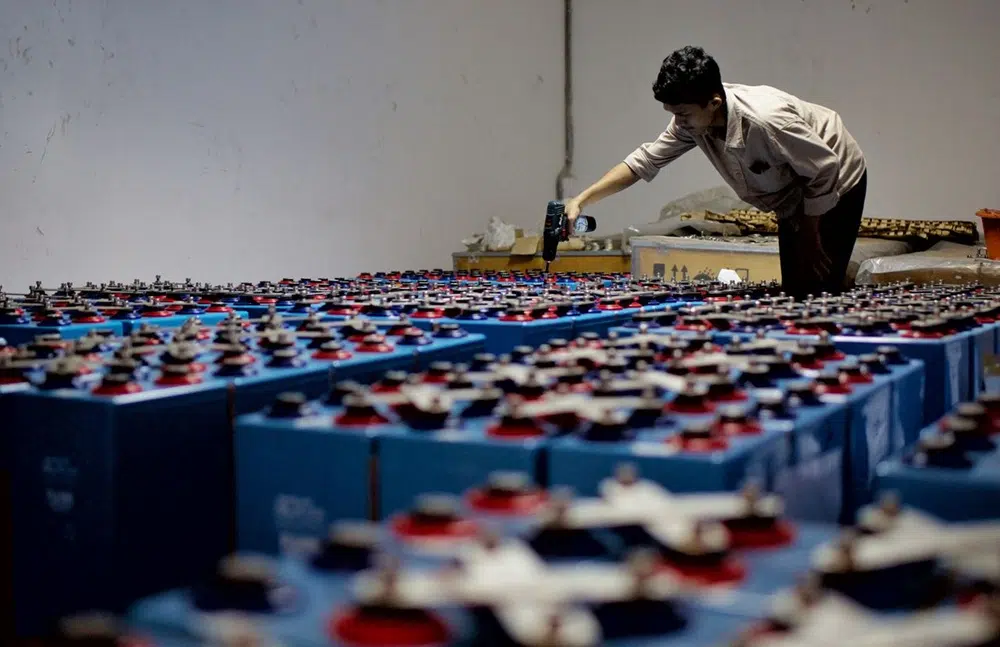
Photo: Pexels/Heru Dharma