
The US saw 10GWh of new ESS capacity installed in the first quarter of this year ― marking a record Q1 for the sector and a 32% year-over-year increase, according to latest analysis.
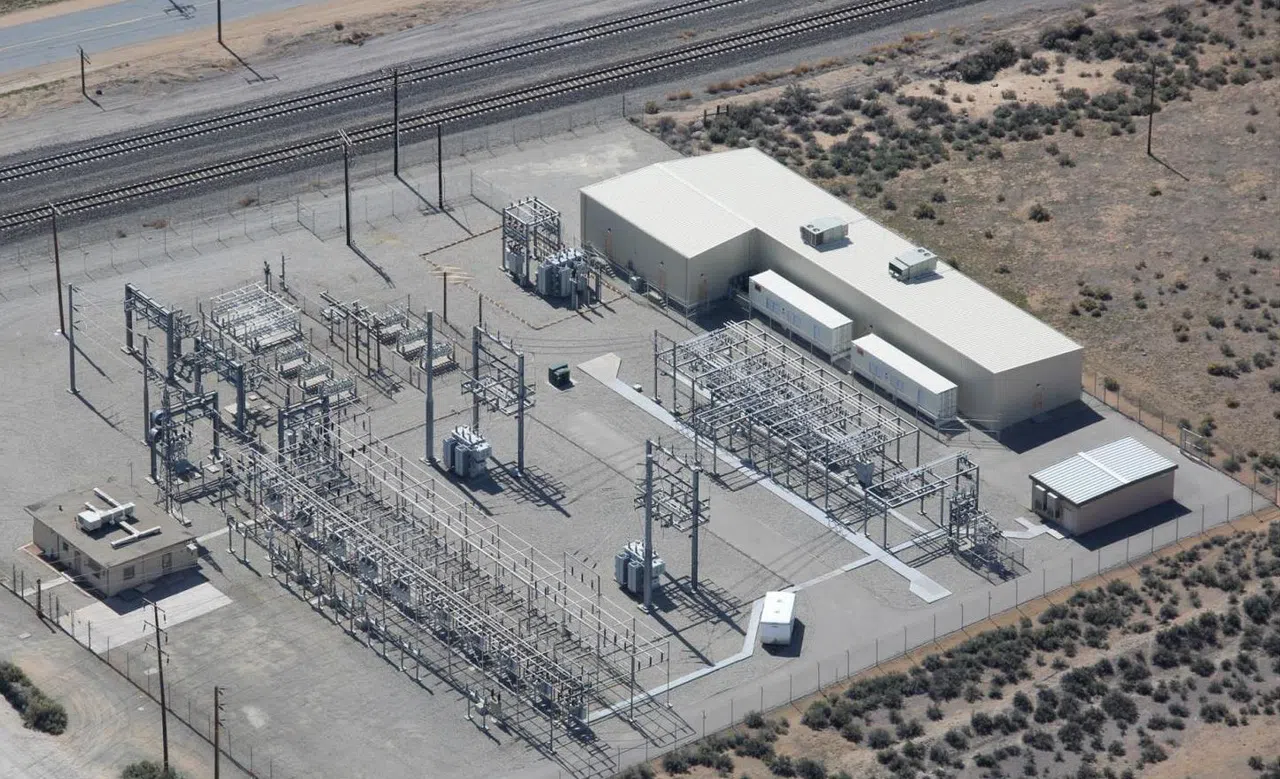
Figures from the Solar Energy Industries Association and Benchmark Mineral Intelligence, released on May 21, showed the utility-scale market continued to underpin growth, with 7.8 GWh/1.5 GW installed.
The organisations’ ‘US Energy Storage Market Outlook Q2 2026’ (ESMO) report revealed six states added more than 500MWh of new capacity during the period ― and the overall energy storage forecast for the next five years has been revised upwards.
Commercial and industrial storage installed for the period was 648MWh while 515MWh of residential storage was installed.
Texas, Arizona and California led the nation in utility-scale battery storage capacity in the quarter, maintaining their positions as the three largest energy storage markets in the US.
Notably, 71% of all utility scale energy storage capacity installed in the period was built in states won by Donald Trump in the 2024 presidential election, ESMO said.
Meanwhile, 13 states now have explicit energy storage targets, helping drive continued investment and deployment. States like Georgia, Iowa, and Mississippi also posted notable gains in installed storage capacity during the quarter.
Many EV factories are retooling production lines to serve the energy storage market, and the US could reach over 120GWh of battery cell manufacturing if all of these facilities come online as planned.
By 2030, the market is set to exceed annual installations of 110 GWh and install a cumulative 613 GWh, according to ESMO.
Shan Tomouk, BESS and energy lead at Benchmark Minerals, said: “Energy storage is no longer just for backup, it’s critical energy security infrastructure. A supportive policy landscape for BESS will be crucial to enabling the rollout of AI and data centres, while mitigating adverse cost impacts to regular consumers.”
Read also ‘Why Energy Storage Is Becoming Critical for Data Center Power Reliability’, an opinion article published by Batteries International on May 2.