

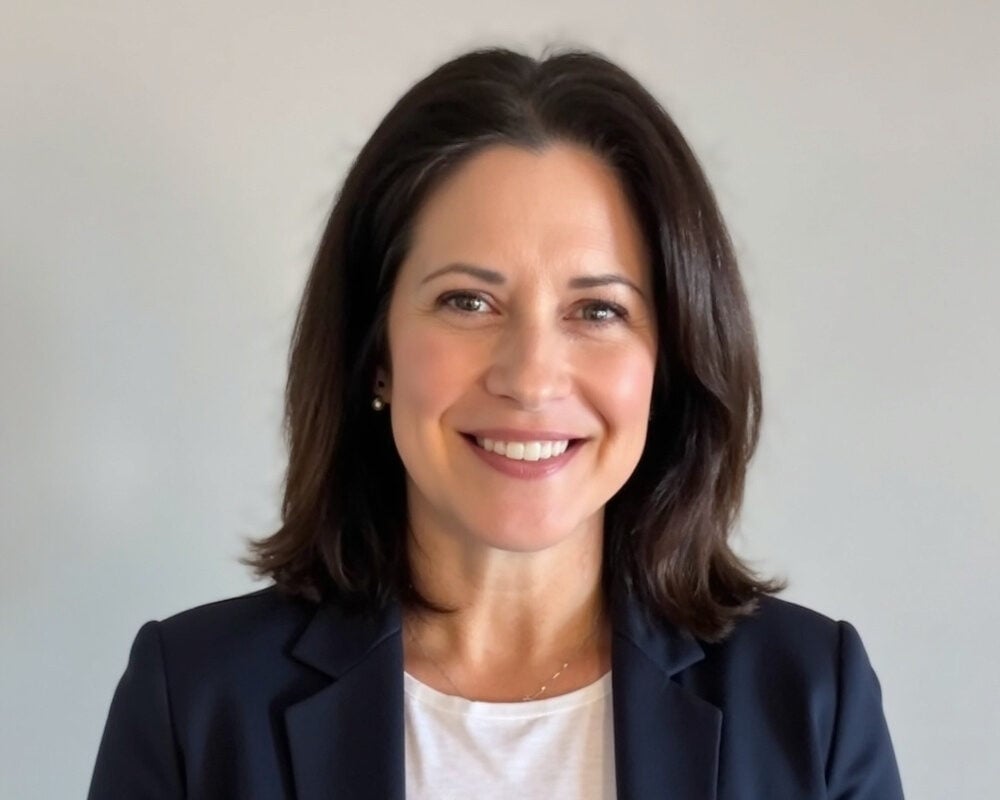
Batteries International spoke to Alma Feldpausch, the newly appointed director of health science at the International Lead Association about her role and her priorities for the year ahead.
“I joined ILA last September, following the retirement of my predecessor Cris Williams. It followed a career spanning more than 25 years working in environmental consulting where I supported the mining, smelting, and other industrial sectors.
Most recently, I led Ramboll Americas’ Risk Assessment & Community Health Department and performed health risk assessments under contaminated sites clean-up and permitting processes and led community health and biomonitoring studies for clients throughout the Americas.
My educational training is in environmental science and toxicology, and I earned my diplomate from the American Board of Toxicology in 2015.
Explain what your job involves?
At ILA, I focus on health sciences that inform regulations and practices relevant to our members, and my work compliments my colleague Jasim Chowdhury who specializes in environmental sciences.
I’m responsible for monitoring and anticipating scientific and regulatory trends, communicating emerging scientific issues to members, and when needed, sponsoring research that addresses issues of concern to our members and then disseminating the results in scientific, regulatory, and public forums to ensure that maximum benefit is realized.
Our members also may reach out to me for technical assistance, as I serve as a resource for information on lead health impacts.
What are your top three priorities this year?
In recent years, ILA has focused on representing our members through engagement with the US Environmental Protection Agency (EPA) on review and revision of the National Ambient Air Quality Standard for Lead; however, that action appears to be a lower priority for the current US administration and so we are focusing on other activities in the interim.
We anticipate multiple actions at the federal and state levels in the near future that are driving our top three priorities in the US.
One, we have several US state, and possibly federal, OSHA (Occupational Safety and Health Administration) actions to revise lead worker standards. This means states, such as Minnesota, Oregon, and Washington, may revise the permissible exposure limit for lead in air and change medical monitoring procedures. ILA is working closely with Battery Council International (BCI) to represent our members and engage with regulators on the science underlying proposed regulations.
Two, because US EPA has identified lead as a priority for risk evaluation under the TSCA (Toxic Substances Control Act) regulations, we are assessing potential information needs and gaps in this process and then will work to address these.
In addition to proactively anticipating issues related to Pb assessment under TSCA, we are working with the North American Metals Council (NAMC) to engage with US EPA on improving the metals risk evaluation methodology under TSCA.
Three, ILA is leading a study in partnership with BCI and the ABR (Association of Battery Recyclers) that will assess the significance of non-inhalation exposure pathways for lead in occupational settings. This will include identifying potential interventions aimed at reducing worker exposures and blood lead levels.
The results of this study will fill an information gap for regulatory agencies that have historically over- emphasized the importance of the inhalation pathway in explaining worker blood lead levels.
Our objective is to encourage regulators to manage worker blood lead levels, as opposed to over- regulating air lead, particularly considering our members have clearly demonstrated a willingness and ability to effectively reduce worker blood lead levels, annually, in the absence of a more stringent permissible exposure limit.
What are other examples of ILA health science research and how does this benefit your members?
The non-inhalation exposure study that I mentioned kicking off this year with BCI and ABR is a follow-on to a study published just last year, which found that the relationship between air lead and worker blood lead in modern battery recycling facilities is very weak.
What this means is that inhaling lead in air is not the primary exposure route influencing worker blood lead levels and so continuing to reduce the permissible exposure limit for lead in air, currently set at 50 ug/ m3 in the US, is unlikely to result in a meaningful decrease in worker blood lead levels.
With this knowledge, it does not make sense to focus singularly on regulating air lead. This is exactly the type of work ILA is working to highlight with regulatory authorities, to inform science-based and protective regulations.
We do not yet know what the results will be; however, experience tells us that facilities effectively managing air lead may be more likely to see improvements in worker blood lead levels by focusing on worker hygiene practices that address the incidental ingestion exposure route.
We look forward to learning more from the research team that leads this study!
ILA also sponsored a longitudinal study in which new lead facility workers were tracked from baseline to a period of over two years, monitoring multiple health endpoints to assess relationships between blood lead levels and potential cardiovascular, neurological, and renal effects.
Over two dozen publications came from this program, called Study for the Promotion of Health in Recycling Lead (called SPHERL) which as a whole demonstrated that current regulations are effective in protecting worker health.
I encourage readers to contact me if they would like copies of the SPHERL publications or more recent publications assessing the relationship between air and blood lead in battery facility workers.
What do you see as the most challenging part of your job?
There are many challenges I face in my new position, with the top challenge of anticipating regulatory actions within agencies that have had a high turnover in leadership and staff, budget reductions, and changing priorities.
I’m grateful to our partnership with Battery Council International and the Association of Battery Recyclers, and involvement with NAMC, to tackle this challenge together as we collaborate and advocate on behalf of our collective members.
Our objective is to encourage regulators to manage worker blood lead levels, as opposed to over- regulating air lead, particularly considering our members have clearly demonstrated a willingness and ability to effectively reduce worker blood lead levels, annually, in the absence of a more stringent permissible exposure limit
What so you see as the biggest opportunities for lead and lead batteries in the future?
Lead and lead batteries are of course integral to so many products and applications that underpin society and our economic infrastructure. In the US lead is now identified as a critical raw material, underscoring its importance now and to economic growth and electrification in the future.
My colleagues at the Consortium for Battery Innovation are also pursuing cutting-edge research taking lead batteries to the next level of performance and durability. And I think next generation lead batteries will be essential across a wide range of industries, from back-up power in data centres to automotive and energy storage.
It’s important that the health science continues to inform worker health and safety as demand for our industry’s products continues to grow.
What will be key to your and the industry’s success?
Key to success for myself, the ILA, and the industry is continued diligence and collaboration in advancing the science to support the safe use of lead, particularly as it is now designated as a critical mineral in the US and is essential to powering the transition to diversified energy sources.
Additionally, we need to work together to address lead health and environmental issues in low and middle-income countries, which are lagging behind in regulatory support. We want to continue to raise the bar across the global supply chain.
This is in part why ILA developed the Lead Battery360 program and is working to gain traction in these areas.
And what do you do when you are not being a health scientist?
I’m a parent of two active, school-age boys so outside of work I stay busy volunteering with school sports (cross country, track, and orienteering). I also enjoy hiking, biking, and camping with my family when our Pacific NW weather permits and cooking, reading, andknittingtherestofthetime.
I’m always open to suggestions for wild game recipes and new books — both non-fiction and novels.