

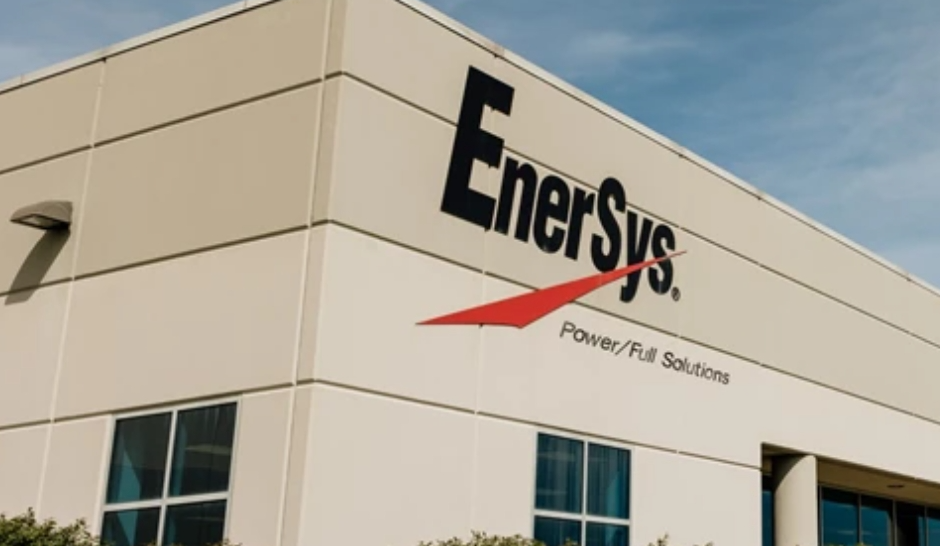
Lead and lithium battery major EnerSys is realigning its previous four operating units into a three-segment operating model to boost organisational focus and better serve customers.
EnerSys said on May 28 the move would take effect in the first quarter of fiscal 2027 ― which the company said ends on June 28 this year.
The three reportable segments are network & infrastructure solutions (NIS), including the firm’s previous energy systems unit, providing power solutions and services to broadband, telecoms, data centres and industrial utility customers.
Separately, industrial mobility solutions (IMS), focused on keeping essential goods and equipment moving worldwide, includes the prior ‘motive power’ segment ― with the addition of the transportation business previously reported within the ‘specialty’ unit.
IMS will support electric industrial forklifts and other material handling equipment as well as transportation applications.
Meanwhile, precision power solutions (PPS), supporting defence, aerospace and the specialised products business from the prior specialty segment, will offer energy solutions in the military sector, including vehicles, advanced defence programmes and autonomous systems.
As part of the realignment, ‘new ventures’ will no longer be considered a separate operating segment and sales will be reported within the segments in which those sales occur.
EnerSys president and CEO Shawn O’Connell said the changes reinforce the battery maker’s position as a leading provider of end-to-end stored energy solutions for its diverse, growing and specialised end markets.
“Our updated segment structure better reflects how we serve our customers today and how we will drive the next phase of our growth. Bringing our lift truck and transportation businesses together into one line of business creates stronger internal alignment, enables cross-selling, and allows us to deepen relationships with our warehousing and logistics customers.”
The company said its guidance for the first quarter of fiscal 2027 is unchanged and not impacted by the moves.
Earlier this year, the battery maker said it was closing its lead acid manufacturing plant in Tijuana, Mexico, in the firm’s latest move to focus on production in the US — and avoid the potential impact of import tariffs.