

Earlier this year, public decision-makers, industrial leaders and solution providers came together for the very first Battery Passport Conference – a day dedicated to forward-looking insights at the heart of new European regulations.
Through high-level discussions, presentations and solution reviews delegates were able to explore the major challenges of traceability, regulatory compliance, data transparency, and sustainability across the entire product life cycle.
Here, conference director Ken Davies, reveals his belief that the EU battery passport is a game changer for the future of batteries in Europe

‘Let me start with a simple observation. The EU is at a turning point in how products are designed, how they’re sold, how they’re reviewed. One of the most powerful tools driving this change is the mandated introduction of digital product passports (DPPs) across key strategic verticals.
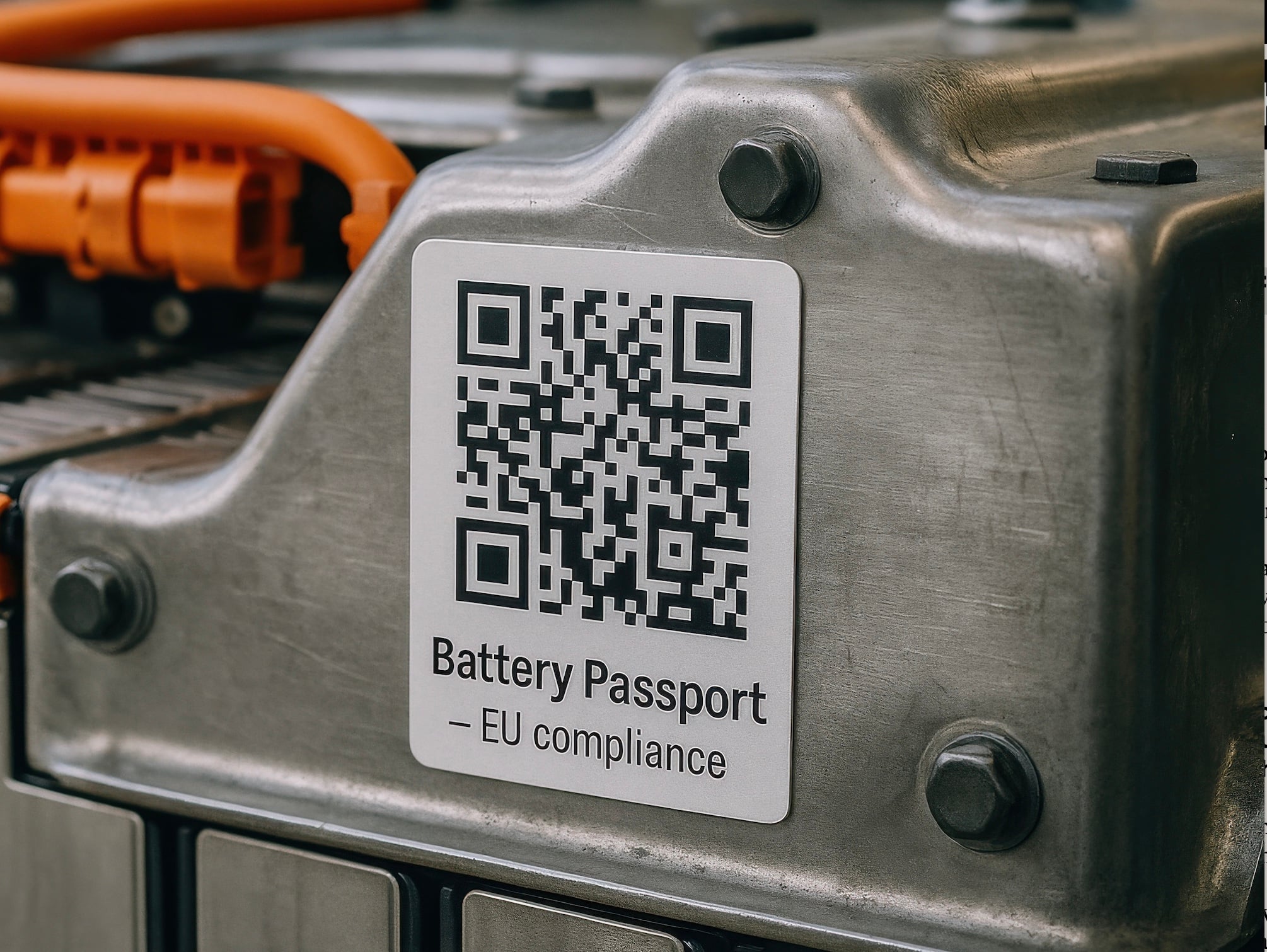
‘DPPs represent a digital record that travels with the product throughout its entire lifetime, and by scanning a QR code or by accessing a digital tag, consumers, businesses and authorities can see key information about a product, where it comes from, what it’s made of, how it was produced, what’s happened to it in its lifetime, how it can be repaired and how it should be recycled.
So why does that matter? Well, it matters because supply chains in the past have been opaque, and consumers want sustainable products, but they struggle to verify environmental claims. Companies face increasing pressure to prove compliance, and recyclers lack reliable information about materials. And DPPs address all of those challenges by making trust and transparency and traceability the norm rather than the exception.
And DPPs are now being rolled out, starting with the priority sectors such as batteries but also electronics, textiles and construction products as well. And these are industries where resource use is very high, where waste reduction can have a major impact and represent strategic growth markets. These are big markets, and clearly these are the areas that the EU is focusing on first.
So, for consumers, DPPs allow better choices. You can see whether a product is repairable, how long it’s expected to last and how sustainable it’s going to be. But for businesses, DPPs are not just a regulatory obligation, they’re an opportunity because they encourage smarter product design, more efficient supply chains and stronger customer trust, and companies that can adapt easily or early can gain a competitive advantage in an economy that increasingly places circularity right at its core.
DPPs are going to represent a systematic shift in how we think about products
Of course, challenges remain. Data standards, cyber security, implementation costs, they need to be managed carefully, especially for small and medium sized enterprises. But the direction is clear. The EU has made it very clear that DPPs are not just a technical tool. They’re going to be a systematic shift in how we think about products. It moves us from a take and make and dispose system model towards a circular, transparent and resilient economy. In short, DPPs are going to turn information into value, and that is exactly what Europe needs for a sustainable future.
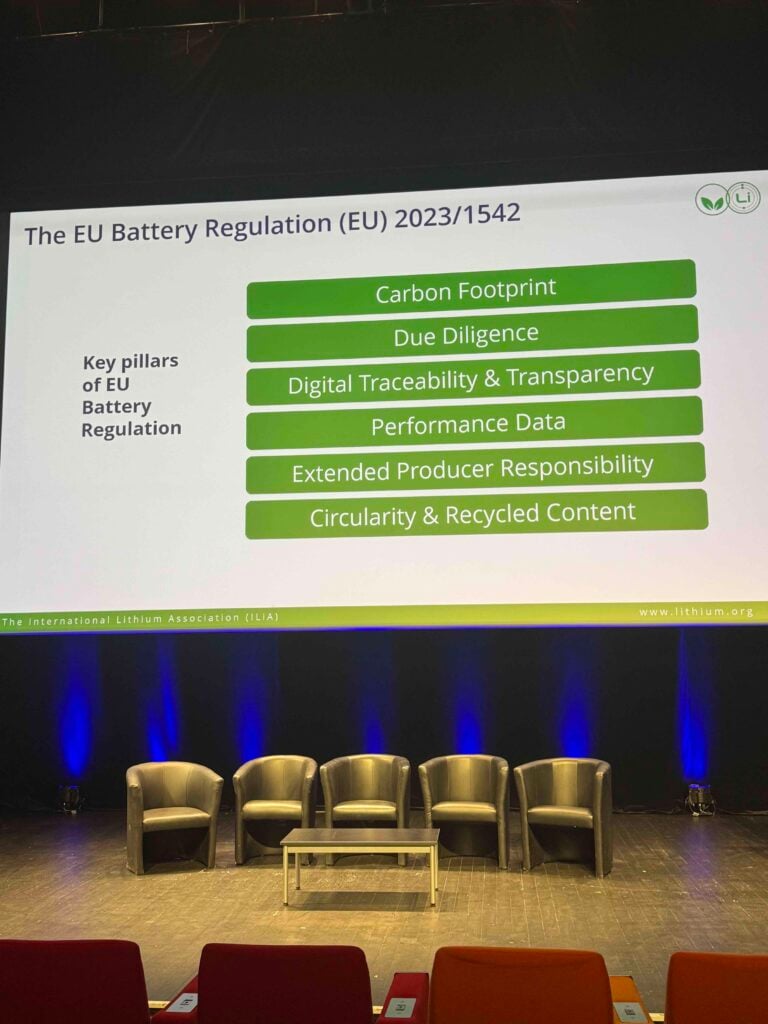
For many years batteries have really been a cost item – the kind of component buried deep in the building materials and buried deep in the supply chain. But today, of course, they’re very much a strategic asset. They’ve got a life, and they have a second life, and they affect product performance. They affect brand credibility, regulatory exposure, costs and long-term profitability. And with the EU battery passport being introduced, batteries are about to become a data driven asset and we need to explore how the passport will facilitate the development of a new level of transparency of that asset.
One day, we will look back at this moment and the moments between now and February 2027 and say, this was the moment. This was when the introduction of the digital product passport into a mainstream supply chain – batteries – was the size of a chip. This is the moment a lot of things changed about how we make a giant leap towards true circularity in a major vertical and how data moved from being seen purely as a compliance requirement to a source of strategic advantage. This EU battery passport is going to change our batteries abroad, sold, used and valued. It’s going to mean new obligations, but more importantly, it’s going to create clarity, and clarity is generally good for business.
So in a market where sustainability and transparency and resilience increasingly define success, the battery passport will reward companies that know their products, that know their supply chain and know their data. And the question for business is not going to be whether the battery passport will affect you, because we know already that it will. The real question is whether you choose to treat it as a cost of doing business or as a mechanism for building competitiveness.
With any challenge, comes opportunity
If the battery passport is going to work, it’s going to be a living system. Of course it’s about battery life – second life, third life and end of life. But it’s also about the battery passport being a living system and not just a certification system. If it’s going to work and work successfully, we need to maximize the value out of it. We’ve got to make sure that we design, manage and run it as a dynamic system. Obviously, the cruciality of validation and trustworthiness is something we’re all concerned about. I think there’s a big gap in that. There are great opportunities, therefore, for businesses who can provide that trustworthiness and validation certification, but they’ve got to be a very important part of the pillars that make this a success. And, of course, it should be a catalyst for change. Every opportunity when things are being introduced is an opportunity for far sighted businesses to re-evaluate what they do and maybe re-evaluate what their future needs to look like. And this is a great opportunity for businesses to look beyond regulation, and obviously look to value creation. I think with any challenge comes opportunity, and the best businesses will make the most of that opportunity…