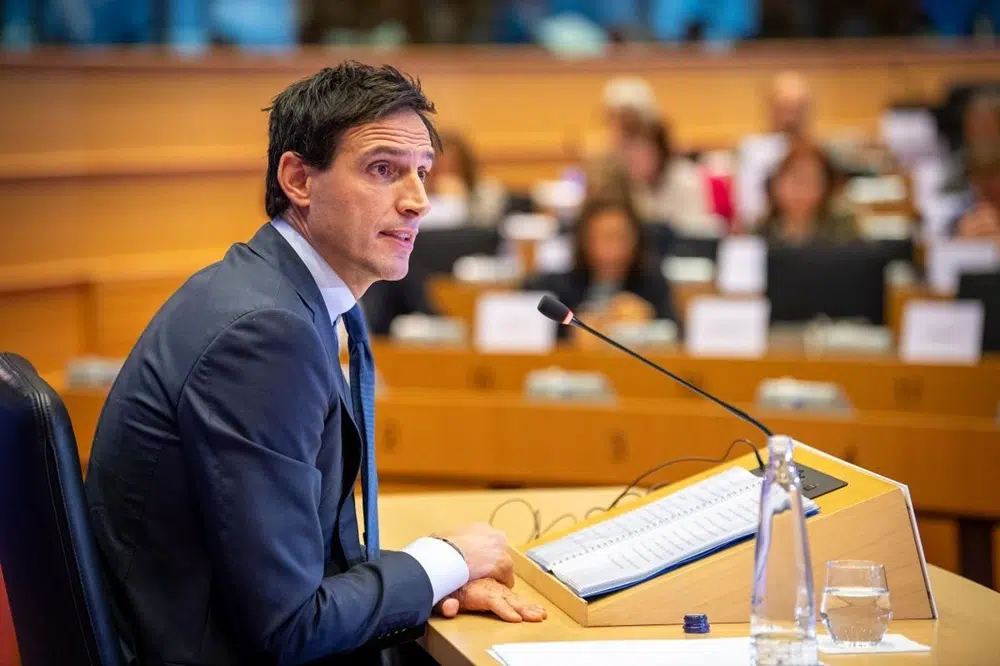

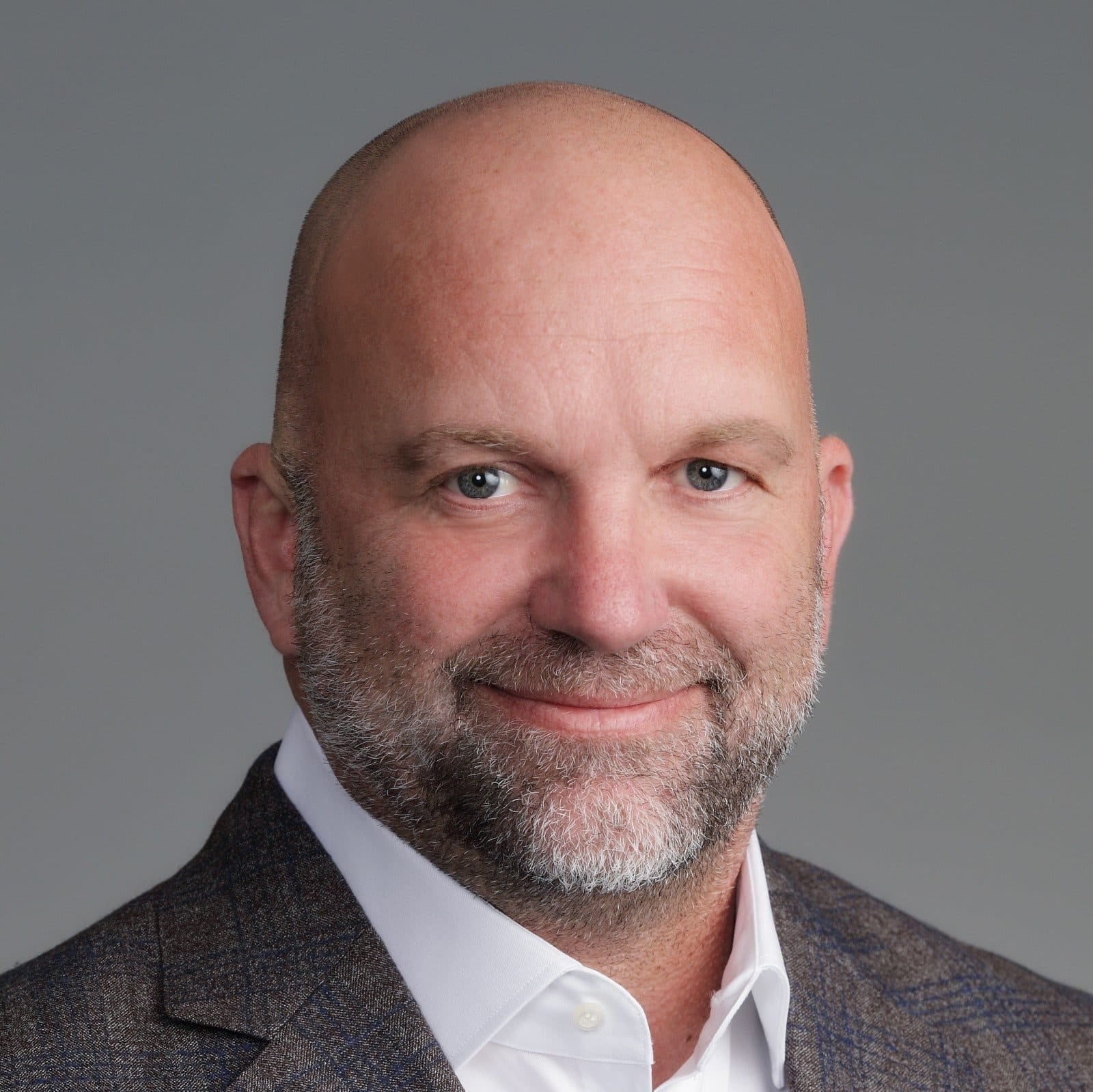
Mike Judd says he lives, eats and breathes batteries. But when Shona Sibary delved a bit further she discovered that he also has eight women in his life … and a penchant for Route 66.
(First published in August 2025)
Steel and winches. Two whopping great industries in Oregon that have no idea what they’ve missed and are, quite probably, more than a little worse off because of it.
The reason? Back in 1991, a young man, with no high school diploma to his name, needed a job. These were the businesses that paid well, had been around for a long time and, in his own words, ‘had a way of promoting people.’
Luckily for the battery industry, Mike Judd, instead, landed his first job with Johnson Controls. Day one on the factory floor saw him putting the top label on the battery. Day two, he was promoted to taking the vent caps off and the finishment caps on. And the rest, as they say, is history.
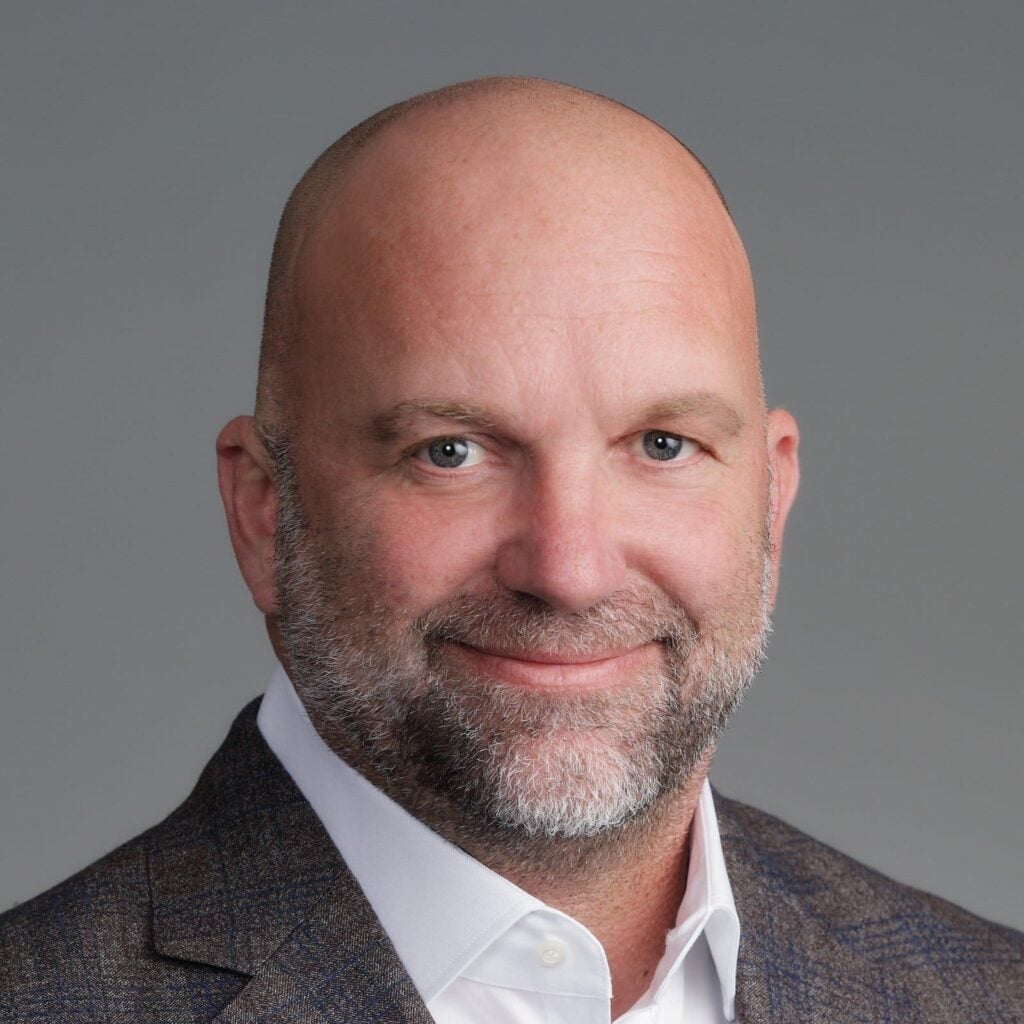
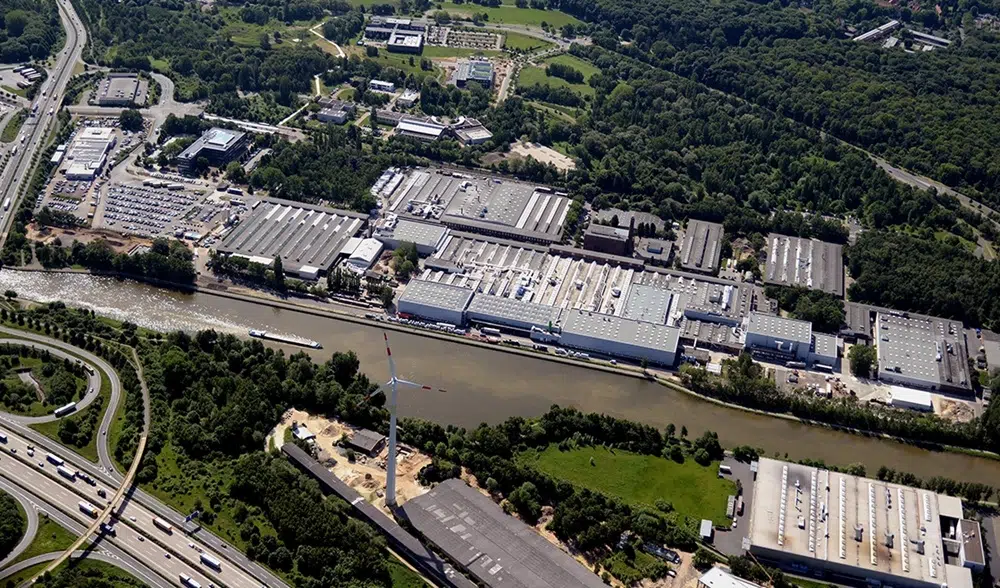
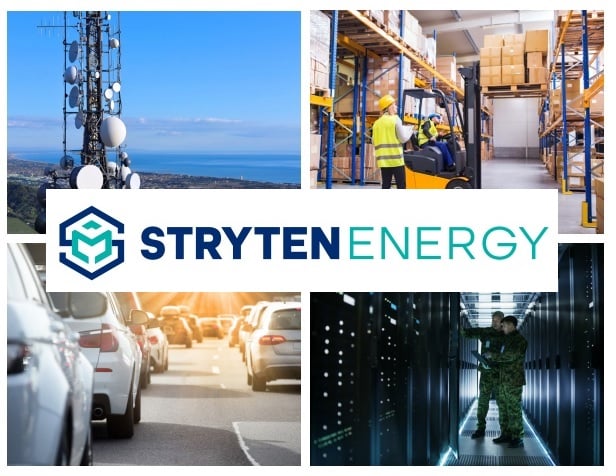
Today, Judd is the CEO and president of Stryten Energy, one of America’s largest domestic battery manufacturers with over 2,500 employees. The firm builds ‘darn good’ batteries that power everything from submarines to microgrids, distribution centers, cars, trains and trucks.
Headquartered in Alpharetta, Georgia, they are an undisputed industry leader with a huge expertise, delivering energy solutions through technologies including advanced lead, lithium and vanadium redox flow batteries, intelligent chargers and energy performance management software.
Stryten’s history dates back to 1888 and its predecessor, the Electric Storage Battery, which grew over the next century. In 2020, Stryten Energy emerged as a new company and quickly began expanding, acquiring Tulip Richardson Molding in 2021, which added three battery component plants to its footprint. Stryten extended its battery tech into lithium and vanadium flow batteries with acquisitions of Galvion’s power division in 2021 and Storion Energy 2022.
It’s an impressive portfolio that has seen the company constantly diversifying to keep ahead of the game.
But while Judd is immeasurably proud of the fact that Stryten is ‘probably the most diversified battery manufacturer in the US,’ he is also keen to keep their feet firmly on the ground.
“We’re very mindful of how many different technologies we get into,” he says. “Today, it would be very easy just to go and invest, to gobble up all kinds of new technologies. But the core part of our business is domestic battery production and that’s lead-based chemistry. The second would be lithium and then flow batteries after that.
“And the way we run the business is to focus on the core part, making sure we pay the rent, pay our employees and produce batteries for our customers. That needs to be completely protected.
“The only time we add on new technologies is if we can buy a small business that we think has the opportunity to go big in the market. Vanadium flow is a good example. But we don’t distract our baseline workforce for that. We would never put that at risk because we realise that in those markets there are no guarantees. You can’t make a workforce feel that those are guarantees because you lose that focus on the baseline business.
Let the market decide
“So, yes. There might be potentially humungous opportunities out there, right now, but we are not going to take a bunch of resources and try to drive that. Instead, we’re going to let the market determine what they want for technology. And when we see the market wanting a technology, we’ll look into it, but we’re not going to invent a technology and try to shove it through.”
It’s a sensibly cautious approach from a man who admits that he lives, eats and sleeps batteries. “Most of the time when I’m thinking about something, it’s batteries,” he grins.
He describes the industry landscape right now as ‘unrelenting.’ But loves how excited that makes him feel. “There just isn’t a single part of our lives right now that isn’t attached directly to a battery,” he says.”
Will Trump help or hinder Stryten’s strategy?
“I don’t think a government’s decisions on how to drive revenue and things like that really affect, or change, in any way, the consumer and their requirements,” Judd says. “We need more energy every single day. That’s not going to change based on pricing or tariffs. It may change short term, but in the long term it’s all going to settle out. The demand doesn’t change. So filling that demand also won’t.”
Like every other business, Stryten has had to have conversations and come to conclusions in response to the current political situation, but Judd feels they’re not too affected.
“Obviously we’ve had meetings on how our potential suppliers are going to react,” he concedes. “A good example would be firms integrating solar fields. They have a different business model that they’re going to have to use now. And if you think about the real difference that’s changed from one administration to the next, it’s this shift between subsidies and incentives.
“A subsidy says that the business probably can’t perform on its own. There should be a view somewhere down the road that either it gets its manufacturing costs down and can be profitable without a subsidy, or the market price goes up so it can be profitable that way.
“Well, on the solar and wind side, that’s a hard argument to have. Because if the price goes up to the consumer, which makes them profitable, it goes against the whole idea of renewables which is to keep the cost of electricity down.
“So that means that the only way for you to really become profitable is to reduce your manufacturing costs. And those are known things that you can model out for years.
“On the incentive side, which is the new administration, they’re saying: ‘We’re going to incentivize folks who can already pay all their bills, who can pay their rent and their employees, but they can only go so fast in development of new technology. So let’s incentivize those companies to go as fast as they can.
“That’s really what has changed. When we partner up with people to do BESS solutions now, those people are probably going to have to be on the incentive side and already profitable, leveraging their position in the market, rather than folks who are saying: ‘Someday I’m going to be profitable, but without these subsidies today, I’m not.”
Does he worry that this push and pull dynamic will slow down solar installations?
“Maybe. Maybe not. I don’t know. I’m not a solar installer. But what I do know is that if there were money to be made in a solar field yesterday and the subsidies don’t exist, then you’re going to have to invest in BESS to make that investment pay.
“It’s going to have to be able to deliver energy 24 hours a day, not just when the sun is shining. We have solar fields today that are sitting in the middle of the desert in California. They’re doing absolutely nothing. But with BESS they absolutely could. So I think it’s going to have people go back and say: ‘You know what? The ones we installed for the last 15 years, there’s now a market that’s saying we need to go as fast as we can to install BESS so that we can serve that market 24 hours a day and actually make money from it.’
“The rest of the market, it will figure itself out. I mean, it’s just a shift between one administration and the next. Is one right or wrong? I couldn’t possibly tell you because the dynamics are so complicated. We need time.”
And best supporting role goes to…
Within Stryten’s optimistic forecast, how large a role does Judd see lead — its core business — playing?
“I don’t think it will play the biggest part — that is going to be for emerging technologies that have really good energy densities,” he says. “But it is certainly going to play a meaningful role, for sure, especially in places where space is not a constraint, and when you’re looking at something like five to seven hours of duration.
“Lead works very well in that environment. It takes more space, but it’s nearly 100% recyclable, and there can be business cases put in place where you buy it once, and it just gets replenished as you go along. And there is no big ‘pull it all out and start all over again’.
“So there’s certainly a market for lead, especially when you start to think about, not humongous solar fields, but smaller micro grids and backup systems. It fits perfectly in that hundreds of gigawatts space. It’s not a small market at all, just for lead, considering the thousands that will be for the entire market, which would include flow, compressed air, hydroelectric or pumped hydro, lithium, or all of them. They’re all going to fit someplace.”
Stryten’s place in the race
It’s going to be a highly driven landscape. How does he feel they set themselves apart from their competition?
“First of all, we strive every day to make sure that we take care of our customers. We’ve created a position for ourselves where we are very nimble. We can react quickly. I think we offer that security to our customers. The other thing is that we are absolutely focused on manufacturing, environmental health and safety.
“All the decisions that we make, we firstly ask the question: ‘Is it going to help our 2500 employees?’ Secondly, is it going to help the environment in or around our plants, the safety of our folks? If we can answer those questions, yes, then most likely it’s going to be a good business decision.
“If you look at the scale of battery manufacturers, we’re certainly not the biggest and we’re certainly not the smallest, but every manufacturer of whatever size has to react differently to the needs out there. And so I think we have found a way to fit nicely where we are and to make sure that we’ve got a diversified portfolio that when one market is down, the other one most likely is not going to be down. We can shift our focus, our resources and our supply chains over to serve whichever side of the business that we need to. We’re in a very good spot.”
What does he, personally, feel he contributes to that success? “I’ve worked in so many different technologies and been across the industry,” he replies. “In fact, I’m probably one of the few people who has been in every single battery manufacturing plant in the United States, every one of them.
“I’ve encountered so many great leaders who have all given me little snippets along the way that have helped me to where I am today.
“But the one thing that I live by is that unless I’m forced to make a decision, I wait.
“I think it benefits my team and it benefits the whole business. People sometimes wrongly feel that if there’s a decision to be made you’ve got to make it immediately because otherwise it might show that you’re not up to speed with the business. But I truly believe that we can discuss and talk about things, that we don’t always need to end the meeting with the decision. We can think about it, come back and find the right path.”
A drive to succeed
It’s a self-deprecating remark from a man who, whilst maybe not winning battles at home, is certainly doing something right in the boardroom.
He attributes this to a long, hard climb from the bottom of the battery business, through the ranks, where he worked as one of the utility people filling in whatever job needed to be done at the plant when someone didn’t show up for their shift. He picked up his GED, then a business degree and then a master’s along the way but has never forgotten those humble beginnings.
It’s a foundation that still keeps him grounded today.
“I often think about that manager at the very first plant I worked at who was able to take a risk on somebody who didn’t have a mechanical engineering degree and put them in a position of engineering and designing stuff. You know, it takes a special manager, to do that.
“Back then, I went work to make a living but then something changed along the way. I started wanting to make batteries better and processes better.”
Thirty-four years later, we could all be forgiven for saying, ‘Job well done.’ Except we’d be missing the point. Mike Judd is only just getting started…