

Mining critical minerals such as lithium and cobalt to power ‘clean energy’ systems and meet climate goals is fuelling severe, hidden environmental and health crises, according to a damning new report from UN scientists.
The benefits of expanding battery storage and EVs are not being shared fairly because most people in the global south and mining communities cannot afford these technologies, said the report by the UN’s University Institute for Water, Environment and Health — known as the agency’s Canada-based think tank on water.
Around two million litres of water are needed to produce a tonne of lithium in some areas, while 2,000 tonnes of toxic waste are generated for every tonne of rare earth minerals produced according to ‘Critical Minerals, Water Insecurity and Injustice’, released on April 29.
And while the report does not comment on the near 100% recycling record of the highly-regulated lead battery sector in industrialised nations, it issues a clarion call for greater investment in advanced recycling systems for non-lead batteries.
“Governments and international partners should invest in research, innovation, and technology for material substitution, waste mitigation, and sustainable product design.”
Drawing on empirical analyses, scientific studies, and field evidence, the report presents what the authors describe as one of the most overlooked injustices of the global sustainability transition.
The report does not question the need for clean energy systems or the digital infrastructure underpinning them, but warns of the injustices being faced — and asks who is paying for and benefitting from humanity’s progress in those areas.
“Critical minerals are essential for economic and national security, serving as the oil of the 21st century… they are what make EV batteries small yet powerful enough for longer driving ranges.”
However, in regions like Chile’s Salar de Atacama, lithium and other mining accounts for up to 65% of regional water usage, intensifying competition with agriculture and domestic needs leading to dramatic groundwater depletion.
In major critical minerals producing nations like cobalt from the Democratic Republic of the Congo (DRC), over 80% of mineral output is controlled by foreign industrial mines, limiting local economic gains and value addition, the report said.
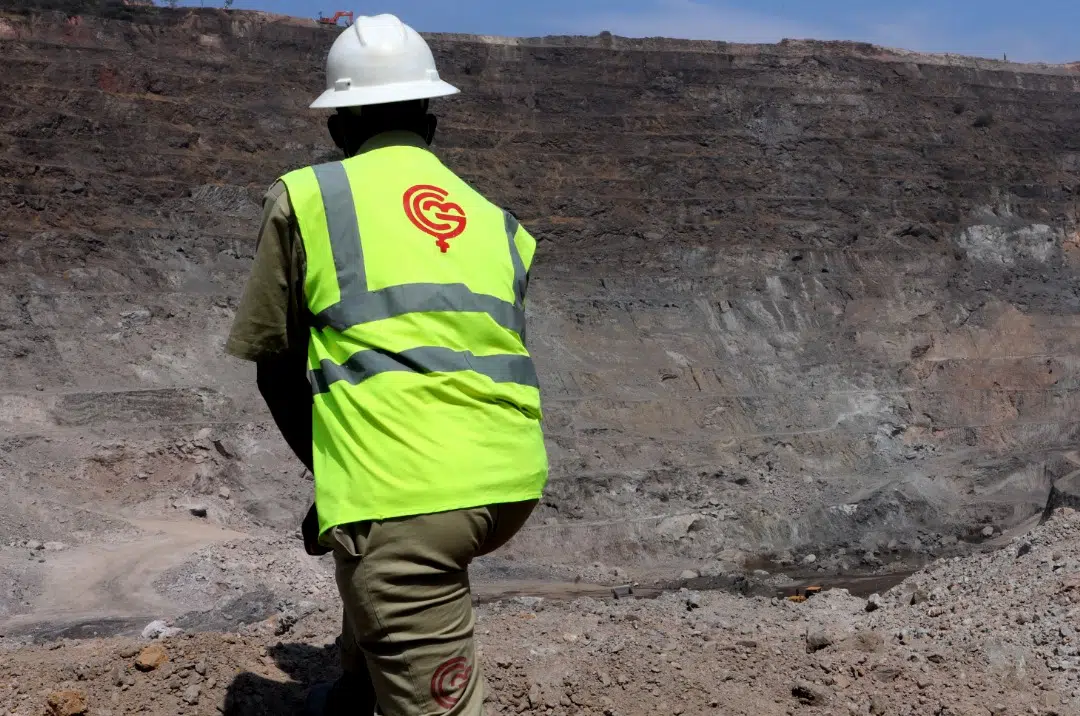
In the DRC’s Lualaba Province, an area rich in critical minerals vital for EV batteries and renewable energy technologies, development of mining projects has come with significant environmental costs, the report claimed.
“Multiple investigations have reported serious contamination of local rivers and water bodies, primarily from discharge of sulfuric acid, heavy metals, and other toxic chemicals used in the extraction and leaching processes. The once-pristine rivers that local communities depended on for drinking water, irrigation, and fishing have been dangerously polluted.”
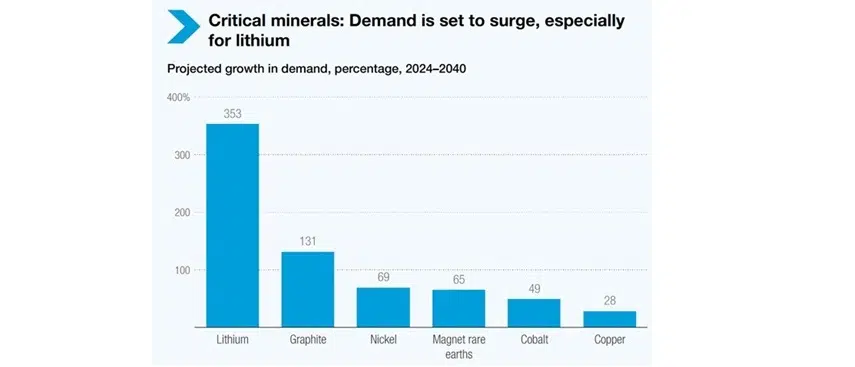
Meanwhile, to meet global climate targets, demand for key critical minerals such as lithium, graphite and cobalt is projected to quadruple by 2050, prompting the report’s authors to ask: “Does the global race for critical minerals represent a new form of extractive colonialism, replicating the injustices of the fossil fuel era under the banner of sustainability?”
While the pressing environmental problems of humanity, including climate change, rightly captures global attention, it is essential not to overlook the new impacts and dynamics introduced by the mitigation solutions.
The report calls for mandatory international standards for due diligence, moving beyond voluntary compliance to enforce accountability for human rights and water security globally.
Consumers are urged to demand transparency from brands and tech companies on mineral sourcing.
University Institute director Kaveh Madani, who led the investigation team, said: “Technological disruptions are needed and useful. But we should be aware of and proactively address their unintended consequences if we want the whole world to equally benefit from them.”
The recently named Stockholm Water Prize Laureate for 2026, added: “You cannot call a transition green, sustainable, and just if it simply moves the environmental harm from the rich to the poor, and from one group of people or region to another.”
Last year, Zambia’s cabinet gave the go-ahead to joining the Global Battery Alliance, a public-private collaboration initiative founded in 2017 at the World Economic Forum to help establish a sustainable battery value chain by 2030.
Batteries International reported last February that Acumuladores Moura in Brazil and Nyrstar Stolberg in Germany had become the latest to join the pioneering international Lead Battery 360° Certification programme.
LB360° was formed in 2019 by a global alliance of lead and lead battery industry groups including the Association of Battery Recyclers, BCI, EUROBAT and the ILA. The organisations adopted a set of guiding principles designed to help further protect workers and the environment and promote sustainable practices.