

The previous decade of electrification was defined by the race to build giga-factories and charging networks. In 2026, the industrial frontline has shifted from how vehicles are produced to how they are sustained. In this environment, battery recycling has evolved from a waste-management concern into a primary infrastructure investment.
This industrial pivot makes June a critical milestone for the European battery supply chain. As the industry prepares to connect at this year’s Battery Recycling Expo in Frankfurt, examining the current state of play, the technical challenges, and the emerging opportunities is now vital.
The shift from green goals to industrial reality
The 2026 EU Battery Regulation mandate of 65% lithium-ion recycling efficiency has transformed from a distant target into an immediate operational requirement. To bridge the gap between policy and practice, the sector is integrating recycling hubs as a permanent feature of the automotive landscape.
For automotive OEMs, securing these secondary materials is no longer just a sustainability goal; it is a matter of strategic sovereignty. Without infrastructure synergy, the supply chain remains fragile and dependent on volatile raw material imports.
The engineering conflict: design vs. recovery
Historically, EV battery packs were designed as impenetrable monoliths to maximise energy density and vehicle range. This performance-first engineering has created a significant hurdle for the infrastructure required to sustain them. Most modern packs are held together by structural adhesives and complex cooling systems that make non-destructive access nearly impossible at scale.
This creates a fundamental conflict: while the industry needs to recover critical minerals to meet 2026 mandates, the physical design of the batteries remains a barrier to recovery.
‘Design for Disassembly’ is now becoming as critical as’ ‘Design for Performance’. If a pack cannot be efficiently and safely unmade through automated systems, the circular economy remains a theoretical concept rather than a functional reality.
Completing the resource loop
Despite these hurdles, the infrastructure required to scale recovery is moving into physical implementation. The 2026 industrial blueprint is defined by three foundational pillars:
The urban mine: The industry is moving away from a linear extraction model toward urban mining. This strategy treats the existing vehicle fleet as a localised resource for critical minerals. Frankfurt serves as the environment where the robotics and sorting technologies required to mine these resources locally are being showcased.
Digital passports: The shift toward mandatory Digital Battery Passports, which become a requirement by 2027, represents the digital infrastructure of circularity. This system finally links manufacturers directly to recyclers. It ensures material traceability from cradle to grave and provides the data transparency needed to plan industrial-scale recovery.
Infrastructure synergy: Recycling plants are the new refineries. These facilities are as foundational to the EV ecosystem as the high-speed charging grids that preceded them, serving as the essential “last mile” that completes the resource loop.
Securing the supply chain
As we look to 2026 and onwards, battery recycling must shift to the centre of industrial strategy. Relying solely on primary extraction is no longer a viable or secure path for European automotive OEMs.
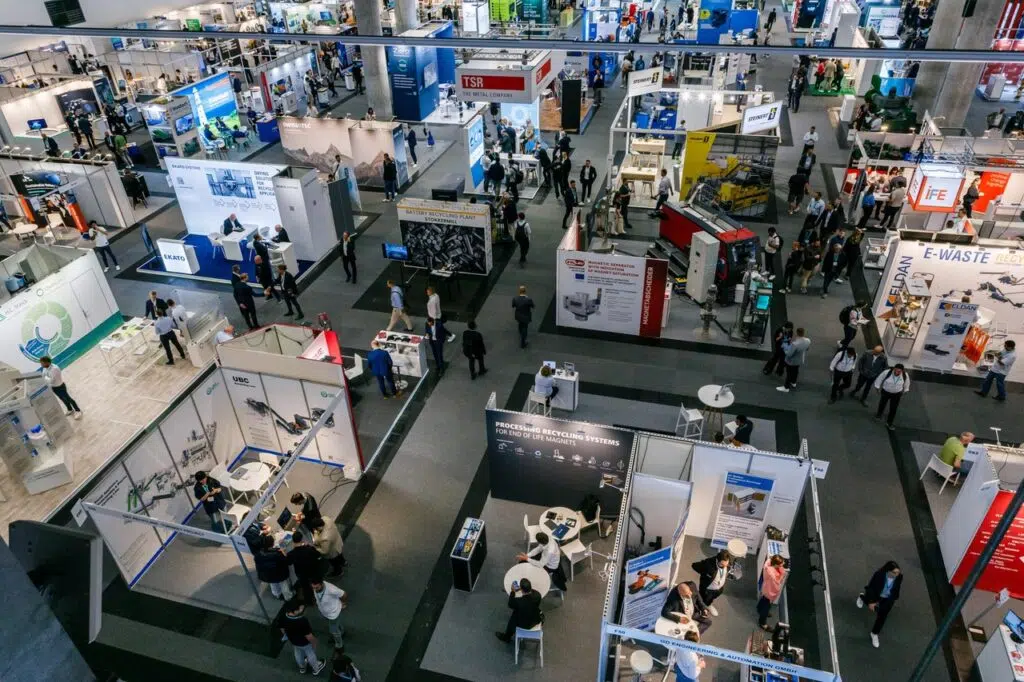
The Battery Recycling Expo 2026, June 17-18, Messe Frankfurt, provides the essential platform to finalise these strategies. It brings together the stakeholders who are building this new supply chain.
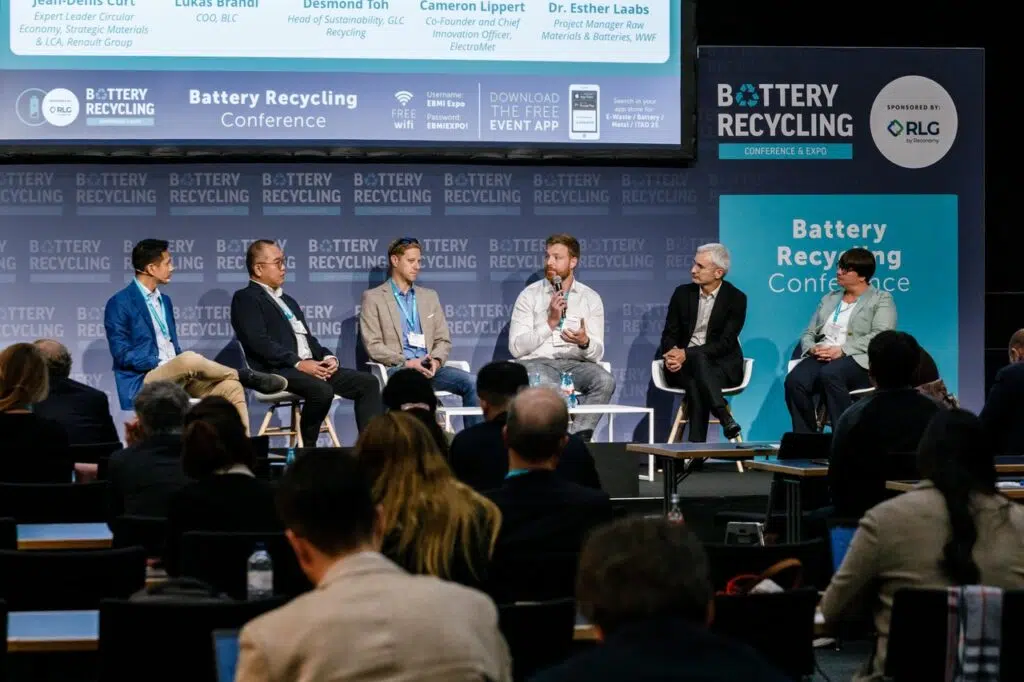
The technology meeting the 2026 mandate is heading to Frankfurt.
To register for your free entry pass to the two-day exhibition or conference, go to: https://ewaste-expo.com/register-attend
The blueprints for this infrastructure will be finalised this June in Frankfurt. Will your supply chain be there?
by: Chloe Holton
Image credit: Shutterstock
About Battery Recycling Expo
Battery Recycling Expo is the world’s leading event dedicated to battery recycling, reuse and sustainability, connecting automotive OEMs, battery manufacturers, material processes and the entire supplier chain. The 2026 event features a free-to-attend conference and exhibition, 400+ international suppliers, 180+ expert speakers across 4 conference tracks, and over 4,500+ global visitors. Your free pass provides you access to four co-located trade shows: Battery Recycling Expo, E-Waste World Expo, Metal Recycling Expo, and ITAD & Circular Electronics Expo.