

The head of the African Export-Import Bank has urged the continent’s leaders to choke off supplies of battery raw materials such as lithium to other countries and instead power homegrown African EV battery industries.
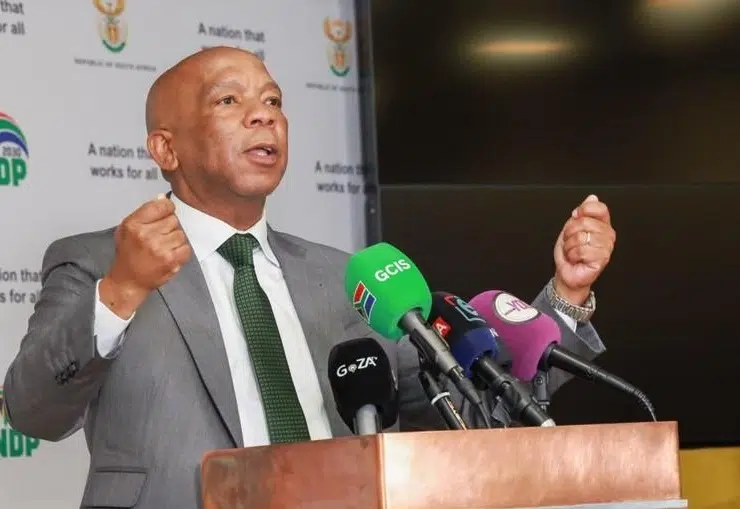
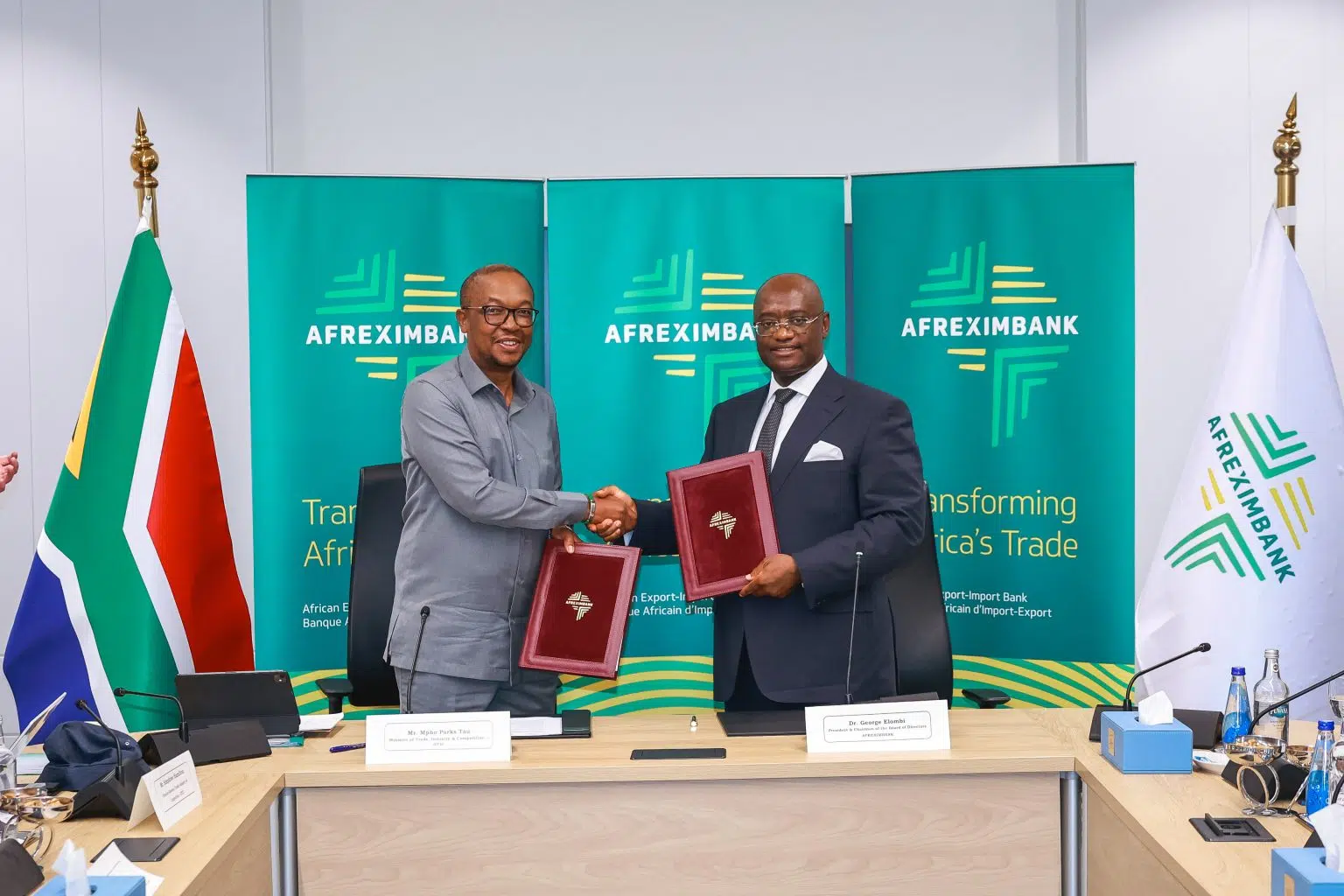
Afreximbank president and board chairman George Elombi said on July 2 that Africa’s economic sovereignty can only be achieved by industrialising at scale — processing its own resources and securing financing to develop batteries “on its own terms”.
Elombi’s call came just weeks after Batteries International reported a warning by UN scientists that mining critical minerals such as lithium and cobalt to power ‘clean energy’ systems and meet climate goals was fuelling severe, hidden environmental and health crises in African and other nations.
“Africa’s sovereignty will not be secured by exporting more of what we do not process,” Elombi said.
“It will be secured when we build the industries that turn African resources into African value. But industrialisation requires capital, and that capital must be accessible on terms that are fair, evidence-based and reflective of Africa’s true potential.”
Elombi did not specifically name lithium or other battery materials, but he told a media roundtable event in Nigeria that Africa could no longer rely on a development model built around extraction and export of raw materials and importing finished goods.
He also called on international financial organisations to ensure “proper assessments” of African institutions and urged leaders and institutions to work together to ensure that African funds held outside the continent are repatriated to support the region’s development.
Meanwhile, Elombi said industrialisation will only deliver sovereignty if African goods can move across African markets. Afreximbank will continue reducing barriers that make it difficult for African businesses to trade with one another.
“Capital, industry and trade must work together. Africa must finance its production, process its resources and move its goods across its own markets. That is how we create value, retain value in Africa and build sovereignty that is practical, not theoretical.”
Elombi’s remarks echoed Afreximbank’s ‘African Trade Report 2026’, released in June 2026, in which the bank warned the continent’s continued role as a supplier to the international battery supply chain was to the detriment of African nations.
The report said Africa must position itself strategically within emerging global green value chains, including EVs, green hydrogen and battery technologies. “This would enable the continent to move beyond its traditional role as a supplier of raw materials and participate more actively in high value, future-oriented industries.”
Rather than responding passively to external shocks, governments should strengthen regional industrial policies, coordinate trade and investment strategies, and develop early-warning and response systems for geopolitical and supply chain disruptions, the report said.
A separate study released in June by the UN Conference on Trade and Development said global demand for lithium is set to rise by more than 340% by 2040 as the global transition to clean energy technologies increases pressure on critical mineral supply chains.
UNCTAD said the Democratic Republic of the Congo accounted for 74% of global cobalt mine production in 2025.
Photo: Afreximbank