
March 20, 2026: Cuba has launched load testing of what will be a 200MW BESS in Havana, as the island nation is scrambling to tackle widespread rolling blackouts in the face of an effective oil blockade by the US.
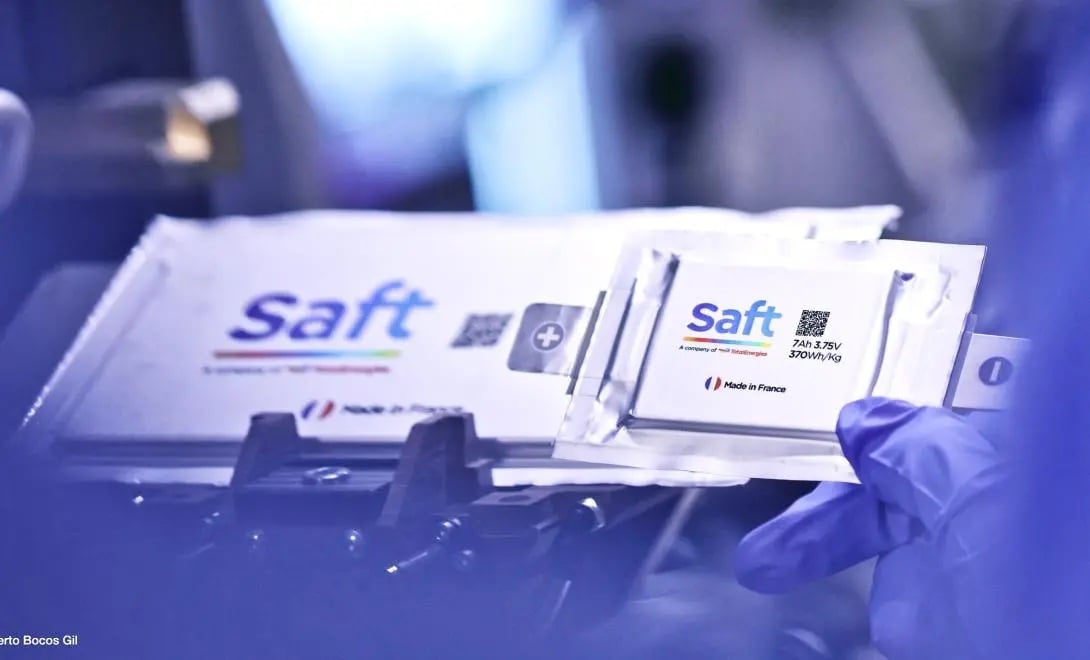
The state-owned Union Eléctrica (UNE) announced on March 10 that testing of the first 50MW BESS unit at the El Cotorro substation.
UNE said this was the first of four systems with a combined capacity of 200MW. The battery chemistry involved — and supplier — was not disclosed.
However, China has already helped Cuba develop 49 new solar parks with more on the way by 2028, according to the International Action Centre. The US-based advocacy group said solar power production had grown from 6% of total energy generation in 2025 to more than 20% now.
According to UNE, each unit of the new BESS is designed to act as an instantaneous regulator of the grid’s primary frequency, to counteract sudden fluctuations that would otherwise lead to widespread blackouts or technical failures.
In the case of the capital city, the BESS will be powered by 100% of energy harvested from the country’s Guanabacoa, Cotorro and Boyeros solar parks.
UNE said while the BESS investment will not automatically eliminate power outages, battery storage can help ensure greater grid resilience.
Cuba’s US embassy welcomed the development in a statement issued on March 10.
“This strategic project represents a crucial step in our energy transition, with batteries acting as instant regulators and neutralizing sudden frequency fluctuations to prevent technical failures and mass outages.”
By improving voltage and frequency quality, we are protecting sensitive electrical equipment and optimizing the use of clean energy, reducing our reliance on thermal generation, the embassy said.
Cuba currently relies on oil products for more than 80% of power generation, according to the International Energy Agency.
US president Donald Trump said in an executive order issued on January 29 that the policies, practices and actions of Cuba’s government constituted an unusual and extraordinary threat.
The US cut Cuba off from its main oil supplier, Venezuela, after capturing that country’s president. Then supplies from others including Mexico dried up after the US threatened them with additional tariffs.