

February 13, 2026: European lead and lithium major the Sunlight Group has completed a three-year project aimed at expanding its lithium battery recycling capabilities.
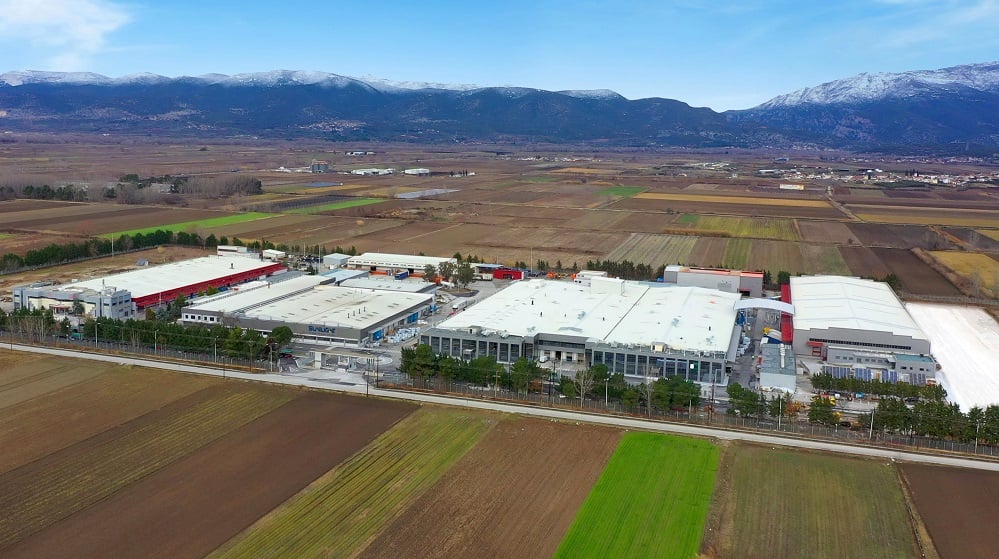
Sunlight said on February 3 completing the ReLiFe initiative included setting up a pilot lithium battery recycling unit, with a capacity of around 500 tonnes per year, at the group’s facilities in Xanthi, Greece.
The pilot has the capacity to process all types of lithium ion battery chemistry (such as LFP, NMC, LTO),
ReLiFe’s results demonstrate that critical raw materials can be recovered in a sustainable manner, the battery maker said.
Results from the project will form the basis for the next step — a ‘techno-economic due diligence’ study for an industrial-scale lithium battery recycling plant.
ReLiFe also mirrors Sunlight’s technical expertise in the management and recovery of metals from lead acid batteries at its recycling plant in Komotini, Greece.
That plant is one of the largest producers of secondary lead in Europe and is certified by the EU Eco-Management and Audit Scheme.
ReLiFe project coordinator and Sunlight recycling expert Panagiotis Xanthopoulos said ReLiFe proved that LFP battery recycling is technologically feasible and economically viable.
Sunlight chief technology officer Nikos Tsiouvaras said: “Recycling is Europe’s new ‘mine’. It is the most responsible way to secure critical raw materials and strengthen our industrial autonomy. We are transitioning to practices that reduce our dependence on primary extraction and make the most of the resources we already have, laying the foundations for a sustainable and resilient energy chain.”
ReLiFe was co-funded by EIT RawMaterials — a European initiative driving innovation and competitiveness in the raw materials sector — backed by the European Union.
Collaborating partners included Germany’s Technische Universität Bergakademie Freiberg, the Helmholtz Institute Freiberg for Resource Technology and the Greenhouse Investment Group — an Ireland-based company focused on capital markets, international trade, and urban mining.