
December 4, 2025: Vulcan Energy has secured a €2.2 billion ($2.5 billion) financing package to build Europe’s largest lithium production project and become a key link in the region’s battery manufacturing supply chain.
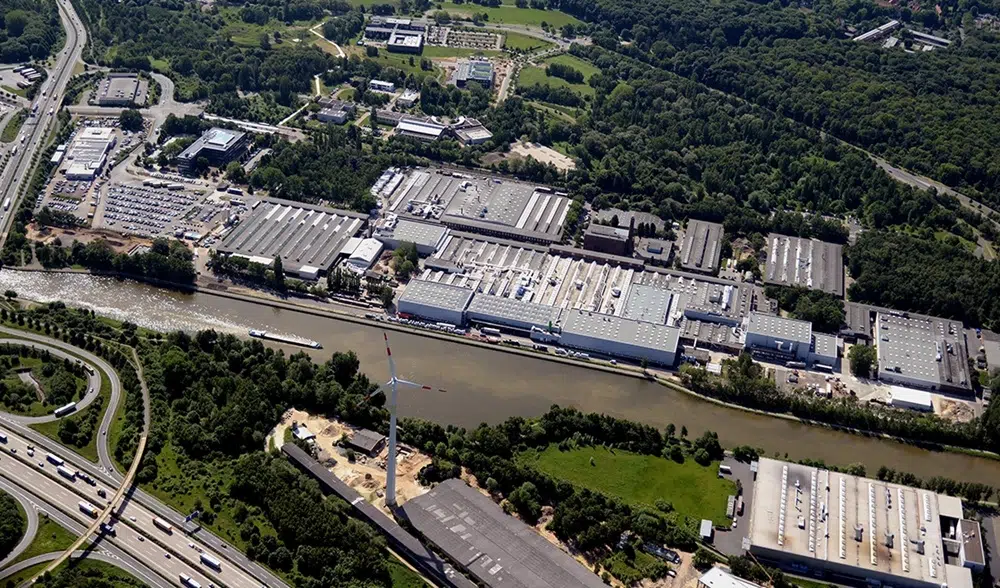
Vulcan said on December 3 the deal allows it to fully fund construction and development of phase one of the Lionheart lithium and renewable energy project in Germany’s Upper Rhine Valley.
The first phase will pave the way for a production capacity of 24,000 tonnes of lithium hydroxide monohydrate (LHM).
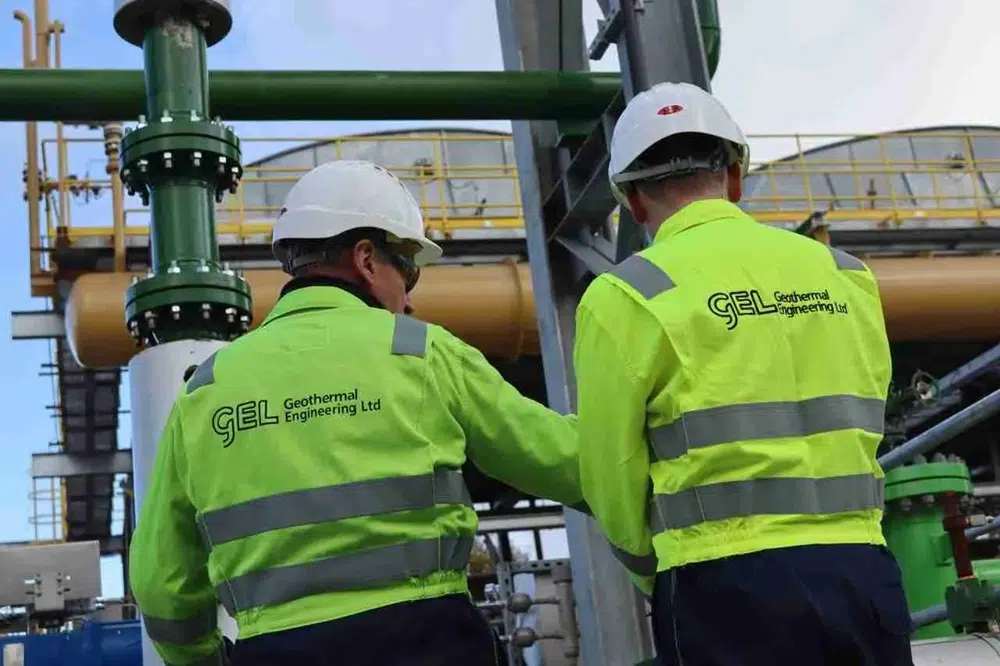
Key facilities to be developed for phase one include geothermal-lithium brine production wells, ancillary infrastructure including a substation and pipelines and a renewable power and heat plant.
There will also be a plant to extra lithium from brine using Vulcan’s proprietary adsorption-type direct lithium extraction technology, plus a facility where the lithium is converted to battery-quality LHM.
Vulcan said the LHM will be enough to make around 500,000 EV batteries every year, alongside production of 275GWh of renewable power and 560GWh of heat per annum for local consumers over an estimated 30-year project life.
The company said it has a fully contracted lithium offtake for the first 10 years of production with European-focused partners and first commercial LHM production is targeted to start in 2028.
One of the offtake agreements is with mining giant Glencore, as reported by Batteries International last October.
Significant investment in phase one has come from international construction and tech firm Hochtief, through a total investment of €169 million. That comprises a €39 million investment in the phase one project entity and a ‘cornerstone subscription’ of up to €130 million in Vulcan shares.
Financial support has also come from European and German government agencies, banks and industrial partners.
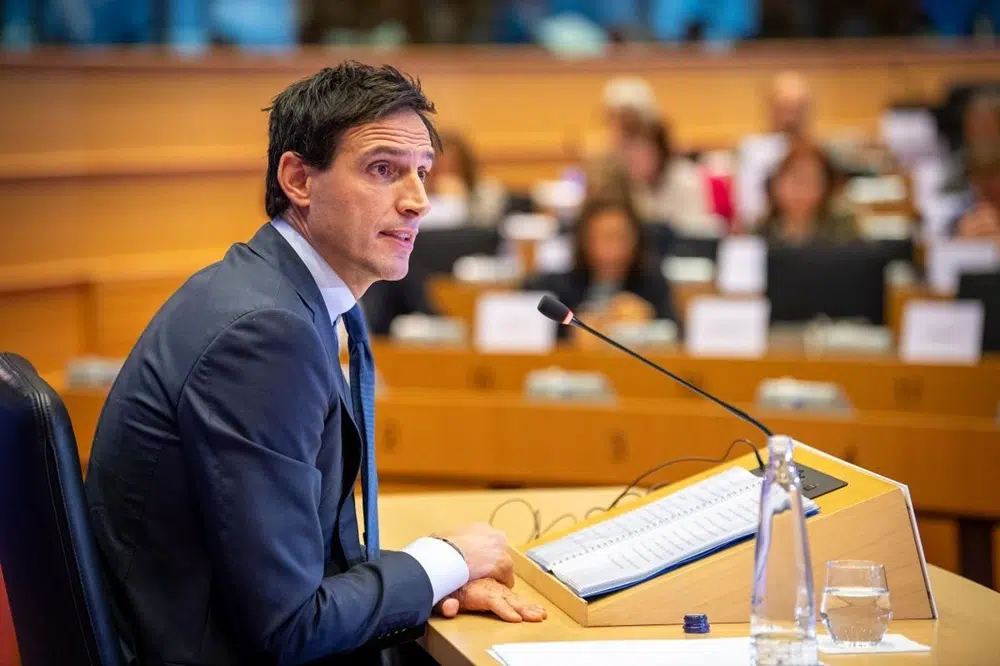
Vulcan Energy’s MD and CEO Cris Moreno said: “A lighthouse project for Europe, Lionheart is set to redefine lithium production, delivering Europe’s first fully domestic and sustainable lithium value chain.
“It will also provide a clean and reliable source of renewable energy for local communities and industries in Germany’s Upper Rhine Valley.”