
India and the EU are calling for bids to build a joint pilot lithium ion recycling plant and transform battery waste in India into a ‘virtual mine’ of high-purity materials for new batteries.
A combined funding pool of €15.2 million ($18 million) was set aside on May 6 to kickstart the project, which both sides say would mark a significant leap in bilateral cooperation to secure raw materials critical to economies in Europe and Asia.
Project proposals, which must be jointly developed by EU-India consortia that can include SMEs, start-ups, academia and others, should be submitted by September 15.
The partners said as demand for EVs surges, both the EU and India are prioritizing the recovery of strategic materials like lithium, graphite, and cobalt to reduce reliance on international imports.
A key feature is the establishment of a pilot line that enables real-world validation and industrial deployment.
Technical priorities should include high recover rates, involving advanced processes for lithium and CAM-ready purity.
Proposals should also demonstrate flexible recycling methods for current and future battery types and ‘digitalized’ collection and sorting systems to help keep batteries out of the informal, unregulated recycling sector.
Technologies should also highlight advanced diagnostics for second-life applications and active safety monitoring.
The call for proposals has been made under the framework of the EU-India Trade & Technology Council’s working group on green and clean energy tech. Funding has been drawn jointly from the EU’s Horizon Europe program and India’s Ministry of Heavy Industries.
By 2030, India alone is estimated to have 128 GWh of recyclable battery capacity.
EU ambassador to India Hervé Delphin said: “Batteries sit at the core of the green transition, with their components far too strategic to be discarded after a single use.
“We are uniting European and Indian expertise into a single team to solve one of the most pressing challenges of our time. Our goal is to take these innovations all the way from the development phase to real-world deployment- a move that represents a direct investment in our mineral security and our shared climate goals.”
Principal scientific adviser to the Indian government, Ajay Kumar Sood, said creating a robust domestic recycling ecosystem was essential for national resource security and environmental commitments.
“By integrating advanced digital solutions and engaging the informal sector, this collaboration will turn battery waste into a high-value resource, fostering an innovation-led virtual mine that supports our vision of a sustainable, self-reliant future.”
Last January, Batteries International reported that Indian lead battery recycling giant Gravita had launched its first lithium recycling plant — converting EV batteries into black mass — in the country with an investment cost of around Rs14 crore ($1.6 million).
Gravita said the newly-commissioned facility in Mundra, Gujurat — already home to one of the firm’s lead recycling plants — has a processing capacity of 6,000 million tonnes annually.
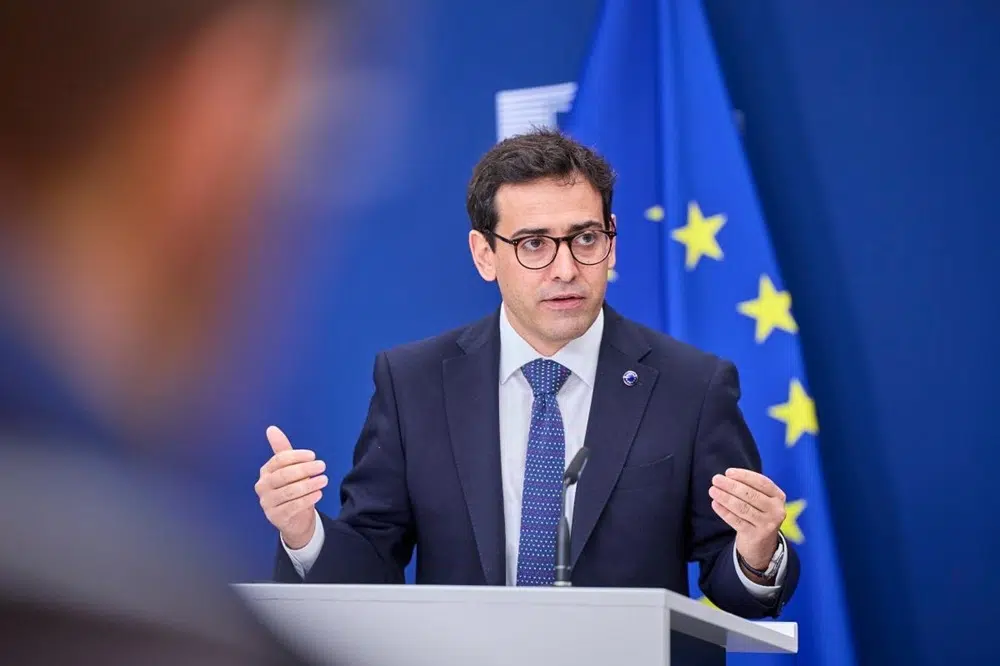
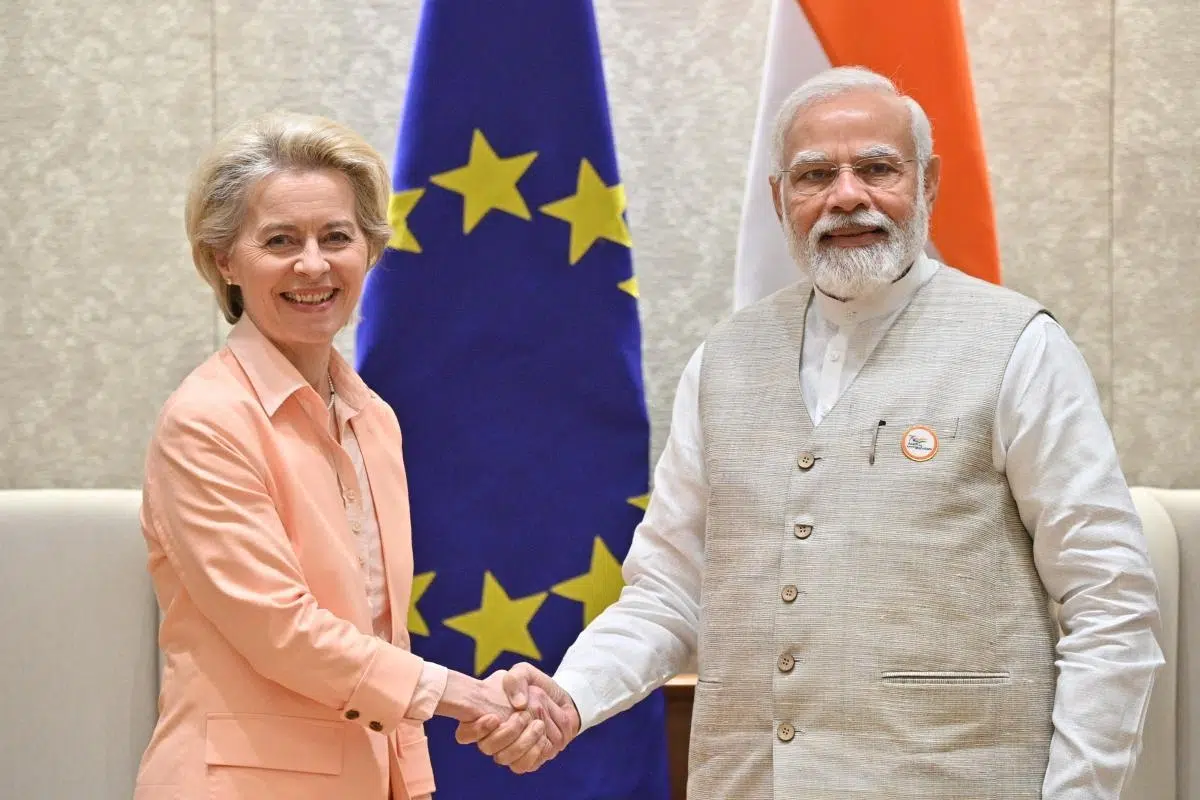
Photo: Christophe Licoppe / EC Audiovisual Service, ©EU 2022