


Lead-based battery-electrolyser technology developed by a UK university has been formally handed over to support activities at a hospital in Malawi.
The solar microgrid and hydrogen installation, developed at Loughborough University and supported by the Consortium for Battery Innovation, was presented to the Mwanza District Hospital.
Loughborough confirmed the move on May 12, noting that the system had been commissioned last November and had subsequently been upgraded to enhance operation.
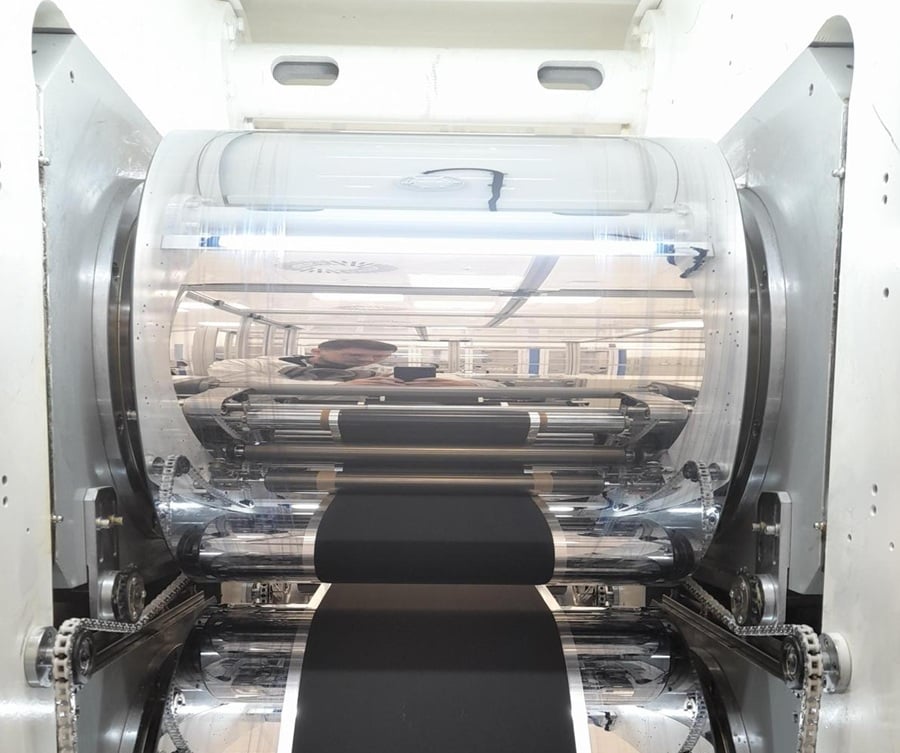
At the core of the system is the world’s first 20kWh-scale lead-acid battery-electrolyser, producing >99% purity green hydrogen for use in clean cooking to replace charcoal.
The technology uses abundant, highly recyclable lead acid materials and avoids scarce, supply constrained metals. The system integrates a solar microgrid, battery-electrolyser and battery energy storage from European lead major Monbat, delivering both hydrogen and electricity from a single platform.
It provides hydrogen to a Falcon cooker in a kitchen for patient guardians and electrifies this kitchen and wards for maternity and under-fives.
The handover included onsite verification and a short walkthrough of the hydrogen system, the university said. The technical development and deployment are part of the £1.5 million ($2 million) Innovate UK Modular Energy Storage with Clean Hydrogen (MESCH) project.
The consortium includes the CBI, Ultima Forma, Monbat and Malawian partners Renew’N’able Malawi (RENAMA) and INFLO.
A patent application has been filed for the technology, which reduces system complexity and capital cost, which the university said supports a more scalable route to deployment than separate battery and electrolyser installations.
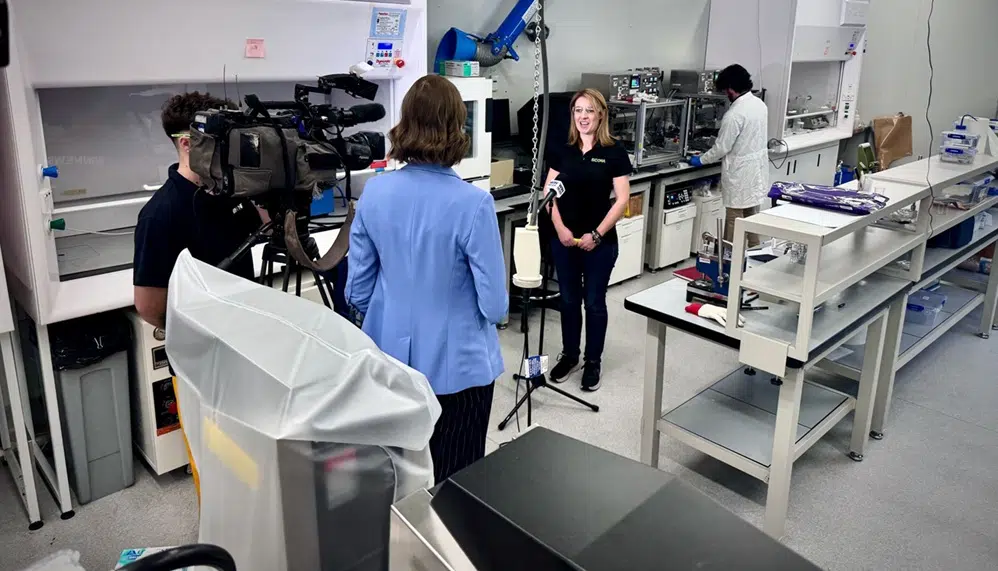
Project lead Dani Strickland, who is also director of EnerHy, the Engineering Hydrogen Net Zero EPSRC Centre for Doctoral Training, said: “This takes the battery-electrolyser from testing into live operation, providing the safety and reliability evidence required for replicating systems.
“With deployments progressing in Côte d’Ivoire, Zambia and the UK, the focus now is proving repeatable performance across multiple sites.”
Meanwhile, Loughborough University pro vice-chancellor for research and innovation, Dan Parsons, said the next step for the technology is spinning out a start-up to take it to market — scaling manufacturing and delivery to realise its wider impact.