

A major new study has confirmed lead batteries are the most recycled consumer product in the US — while the nation’s lead battery manufacturers contribute around $3 billion in tax revenue annually.
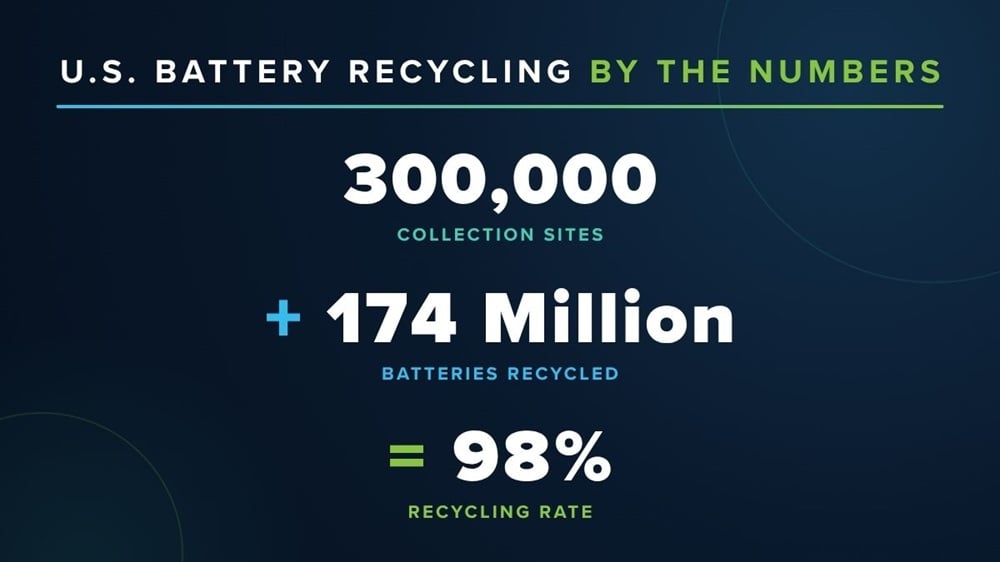
According to the study, commissioned by Battery Council International, US lead battery recycling companies recycled over 11 billion pounds of critical mineral lead to achieve a 98% lead recycling rate during the 2020-2024 study period.
The findings of the National Recycling Rate study, prepared by Vault Consulting, were released on August 7.
Each year, more than 174 million lead batteries are recycled domestically, delivering over 2.2 billion pounds of lead back into the battery manufacturing supply chain, the study showed.
In terms of the wider economic impact, the domestic battery industry directly supports $10 trillion worth of industrial economic output — equivalent to more than 20% of the US economy.
‘World-class system’
The study has been regularly conducted by BCI since 1990 and was last released in 2023 for years 2017–2021. The latest snapshot is based on aggregating BCI member-supplied data for 2020-2024.
Other key highlights of the latest analysis include:
- Domestic battery recycling streams supply roughly 70% of annual US lead demand. When Canadian and Mexican recyclers are included, the North American system meets more than 83% of regional demand.
- The world-class circular system of lead battery recycling depends on extensive physical infrastructure that spans more than 300,000 spent-battery collection sites and 15 recycling facilities across North America, supporting 60 manufacturing facilities and 62 material and component suppliers.
- The US lead battery industry boasts more than 163 GWh of battery production capacity. Within North America, manufacturing capacity grows to 211GWh.
- The broader domestic battery industry is linked to more than 54 million jobs nationwide.
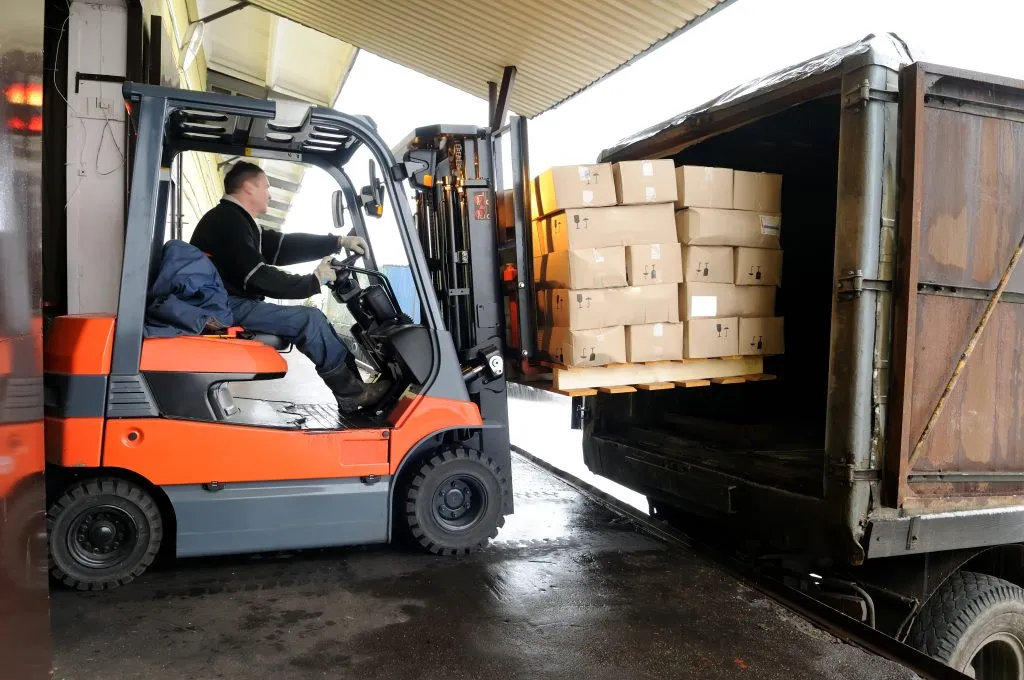
BCI noted that lead batteries support functions ranging from emergency backup power for hospitals, emergency call centres and the US military, to backup power for the data centres that power AI infrastructure, to the roughly 290 million vehicles on US roads.
However, despite the impressive recycling rate, the trade body said the industry remains focused on closing the remaining gap, which it attributes in part to unreported or improper exports of scrap batteries.
These exports take critical minerals offshore to facilities outside North America that may not meet the region’s environmental and safety standards, BCI said.
‘Century of success’
Through initiatives such as the Lead Battery 360° certification programme, launched in 2022 and now encompassing 10 participating facilities, BCI continues to press for responsible sourcing and recycling practices across the global supply chain.
BCI president and executive director Roger Miksad said: “As the country works to secure the critical minerals that power domestic battery manufacturing, this study shows the power of an industry-built circular economy that keeps key raw materials onshore and protects US supply chains.
“Our task now is to protect that system and to close that remaining gap by building upon more than a century of lead battery recycling success.”
Days before the study was published, BCI welcomed new controls aimed at controlling exports of recoverable critical battery minerals including lead, tin and antimony.
The trade body said a directive issued by President Donald Trump on July 30 addressed longstanding concerns of the battery recycling industry and would support the domestic battery supply chain and national security.
Photo: BCI