
The European Union is sidelining sustainability principles in the race to secure materials vital to the battery industry, new analysis has claimed.
A study published on August 13, by Germany’s Helmholtz Centre for Environmental Research (UFZ), said security of supply is now taking precedence over sufficiency in raw materials policy.
EU policy continues to focus on securing supplies — ensuring the availability of minerals and metals rather than reducing consumption, the study said.
The study comes after EU environmental policy supremo, Eric Mamer, acknowledged Europe still had work to do in supporting the circular economy — and praised the lead battery industry’s near 99% recycling record as a good example of a functioning circular economy business model.
Now UFZ is urging scientists to work more closely with political decision-makers to keep sustainability issues in focus, amid geopolitical tensions and increasing demand for raw materials.
According to UFZ’s study, researchers working at the intersection of ecology, economics, and politics have been warning for some time of the ecological and geopolitical risks posed by rising demand for raw materials.
UFZ’s research team, led by PhD student Theresa Herdlitschka, examined more than 180 publicly available strategy and position papers, press releases and fact sheets published between 2000 and 2024 by key players from politics, industry, academia and NGOs as part of the debate on the future of raw materials.
“By tracing the entire course of the debate, we were able to see which events and interpretations had the greatest influence within the various groups,” Herdlitschka said.
The study found that in the early 2000s, ‘corporate competitiveness’ was initially the dominant narrative in raw materials policy. After the 2007/2008 financial crisis and 2015 Paris Climate Agreement, the narrative of the EU as a ‘pioneer in global environmental protection’ emerged.
In the wake of the Covid-19 pandemic, the war in Ukraine and the energy crisis, this was followed by the narrative of ‘strategic autonomy’.
“Alternative ideas such as sufficiency or reducing demand have continually been sidelined”, Herdlitschka said.
“Even in a context where reducing demand is ecologically necessary, this remains politically unthinkable because the prevailing narrative portrays the problem primarily as a lack of security of supply and competitiveness.”
Herdlitschka said studies on reducing overall raw material consumption or proposals for the prudent use of critical minerals and metals have been proposed by a small group who “failed to get their positions accepted”.
“Demand for raw materials will continue to rise as the geopolitical situation remains tense,” Herdlitschka said.
Scientists now need to work even more closely at the interface between science and policy by engaging directly with political decision-makers — including using the concept of the circular economy and debates on conflicts in the mining sector within the EU to raise the profile of counter-narratives based on local supply chains, sufficiency and social engagement.
UFZ’s study came just weeks after a major new report by Deloitte warned buying cheap battery cells from Asia was not a long-term solution for sovereign European battery production.
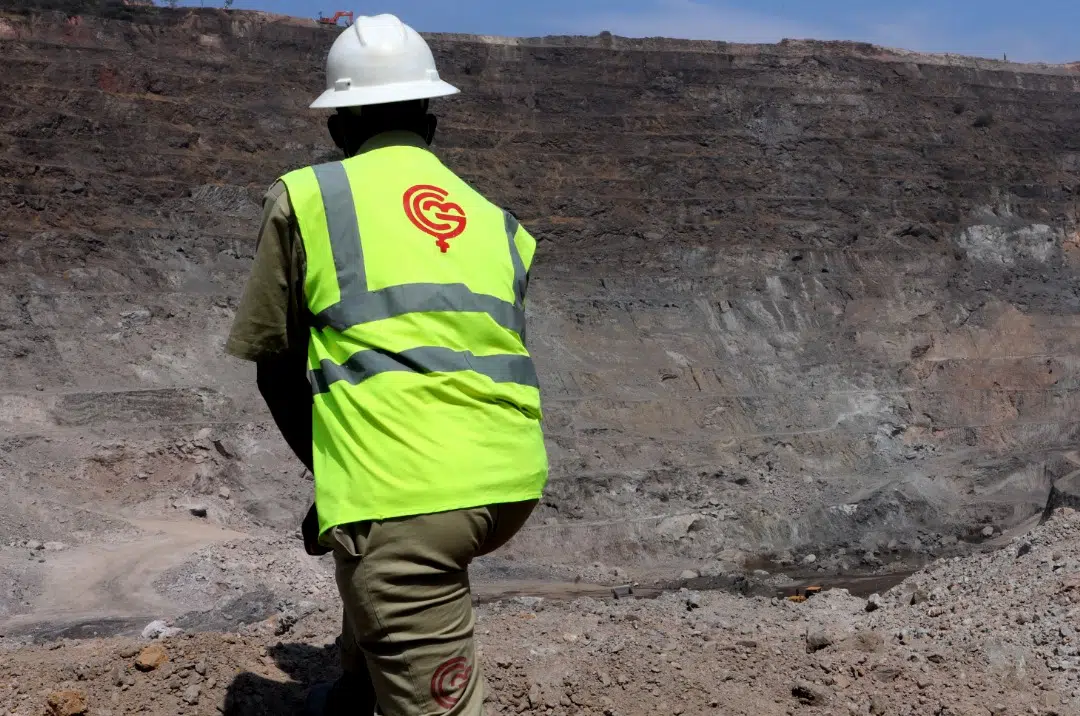
Photo: Gécamines