

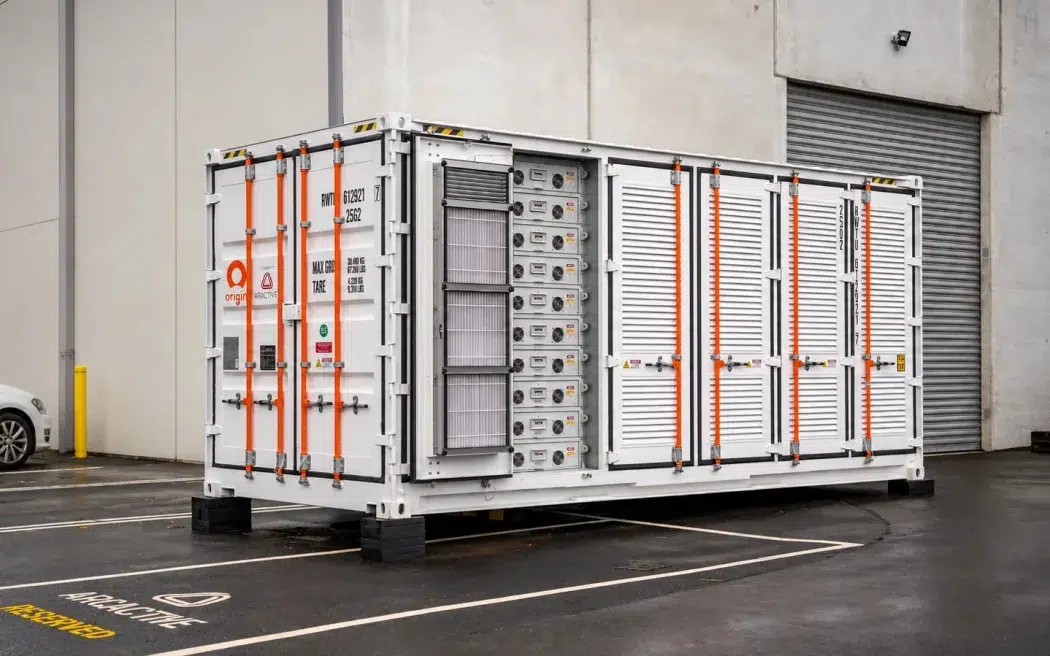
New Zealand-based ArcActive has launched a lead acid battery pilot project in Australia to demonstrate how the technology can make energy storage accessible and affordable for commercial and industrial firms.
The pilot, at Deakin University’s renewable grid-connected battery testing facility on its Waurn Ponds campus, forms part of the university’s renewable energy microgrid.
ArcActive CEO and MD Stuart McKenzie said in an article shared on LinkedIn on October 14 the system, supported by Australian energy firm Origin Energy, uses a redesigned internal battery structure, incorporating a fabric framework to support the material responsible for storing and releasing energy.
McKenzie said the company aims to extend battery cycling life while retaining the lower cost associated with lead acid technology.
The pilot seeks to address costs beyond the battery itself, including engineering, approvals, insurance and safety requirements.
McKenzie said the system targets companies that could use battery storage to retain solar electricity for later use and reduce their reliance on grid power during periods of high prices.
Lead acid technology could provide a familiar starting point for installations, as engineers, approval authorities and insurers already had experience with the technology, McKenzie said.
“We want businesses to be able to deploy storage through a more standardised, repeatable process, with greater confidence about the cost, the approval requirements and the financial return.”
Earlier this year, ArcActive was among companies taking part at the ELBC 2026 lead battery technical conference, which showcased innovations shaping the future of the industry.
Photo: ArcActive