

China’s Tianneng Group has welcomed a recommendation that is set to see the battery maker become a UN-recognised supplier of products for new energy procurement projects.
Tianneng, whose subsidiaries include lead acid battery manufacturing, said it was one of around 10 companies recommended to help new energy firms expand globally with UN procurement support.
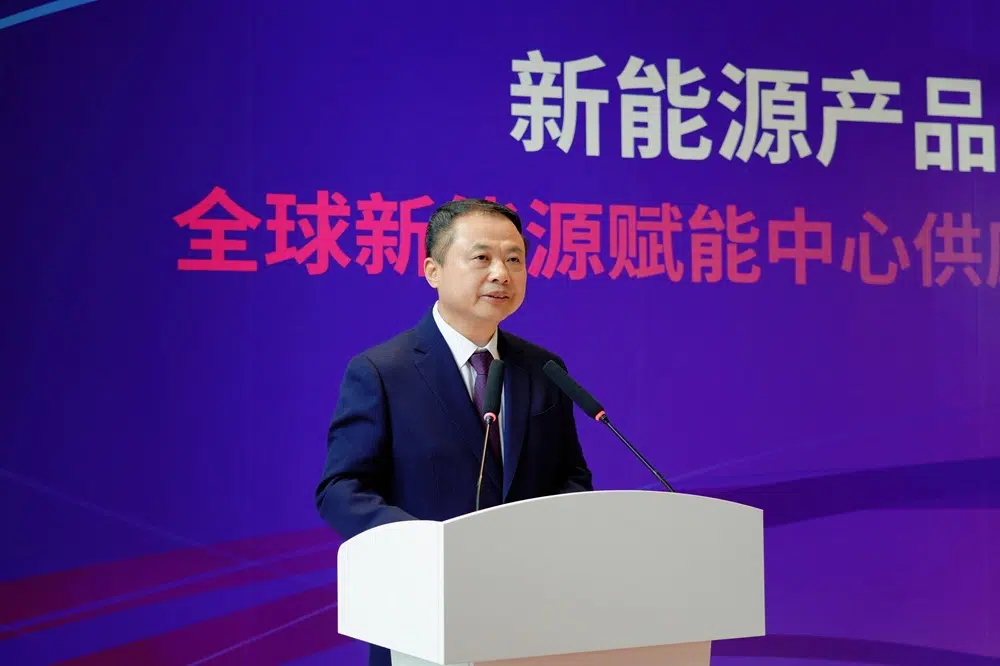
The announcement came on November 10 during a conference in Shanghai to discuss the global expansion and international procurement of new energy products.
If confirmed, Tianneng would become part of the UN Procurement Catalog, which comprises details of goods and services that can be procured through the official UN system.
In Shanghai, Tianneng showcased its multi-chemistry battery portfolio which also features lithium, sodium ion and solid-state batteries. Applications range from light vehicles, including electric two- and three-wheelers, to energy storage systems for homes, commercial and industrial users, AI data centres and utility-scale projects.
Zhang Tianren, chairman of the Tianneng Group and chairman of the Global Battery and Energy Storage Council, told the conference the global energy transition was at a critical juncture.
He said Tianneng’s inclusion in the UN procurement core supplier pool would affirm the group’s 40-year commitment to quality and innovation.
“We will focus on better batteries and deeper system solutions, advancing R&D, local manufacturing and rooted branding to help drive the industry toward a more sustainable future.
“The battery and energy storage industry must respond to uncertainty with more open standards alignment, deeper localised deployment and more resilient supply chains.”
Batteries International reported in September 2026 that a Tianneng subsidiary had agreed outline proposals for cooperation and investment in battery manufacturing and energy storage projects in Egypt with Egyptian multinational the Mansour Group.
The memorandum of understanding covered a study of opportunities to produce lead acid and lithium batteries for EVs, according to Egypt’s State Information Service.
Photo: Tianneng Group