

July 12, 2024: It’s another twist in the long-running scandal of lead battery pollution at Exide’s old battery plant in Vernon, California. This time the culprit causing environmental damage is no longer lead but the trichloroethylene used in making polyethylene separators.
The danger is such that the facility is one step nearer to becoming a superfund site after a US Environmental Protection Agency report concluded this week it could contain enough hazardous TCE to qualify.
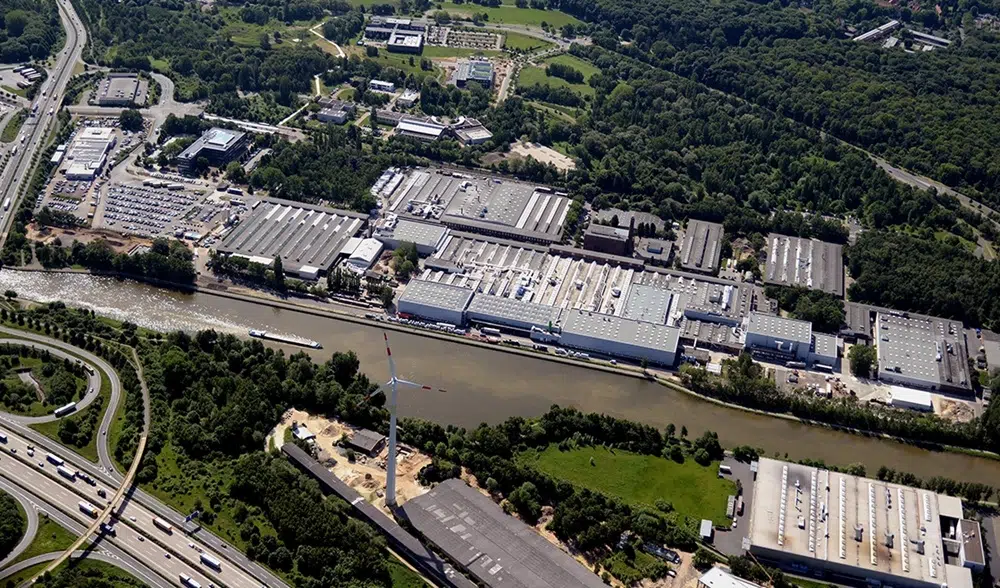
The battery recycling facility had ran for 90 years melting down lead-acid car batteries and releasing dangerous lead dust and other chemicals into the environment until 2015. In doing so it contaminated thousands of surrounding residential properties, including homes, schools, parks, and child care facilities.
Campaigning efforts led to the permanent shutdown of the 15 acre site, five miles southeast of downtown Los Angeles. It has been notoriously labelled as the county’s largest and most expensive environmental cleanup.
Since Exide declared the facility bankrupt in 2015 — and the US Department of Justice allowed the company to abandon the site — California has allocated $750 million and overseen the cleanup of more than 5,000 lead-contaminated properties surrounding the facility.
But over the last two years, a coalition of federal and state lawmakers have called for a Superfund designation in hopes that it might bring in federal funding that could enable faster results.
Now, it appears that the facility may well achiev this after an EPS site inspection report published last week revealed that the Exide plant also released TCE — a known human carcinogen — into the soil, affecting the groundwater table and local aquifers tapped for drinking water.
California’s senator, Alex Padilla, has been asking the EPA to rule on Superfund status for the former recycling plant in what he describes as a “long overdue cleanup.”
“The completion of the inspection report is a step in the right direction in achieving justice for the Southeast LA communities that have suffered the devastating consequences of Exide Technologies illegally dumping lead and other hazardous contaminants into the ground and water supply,” he said.