

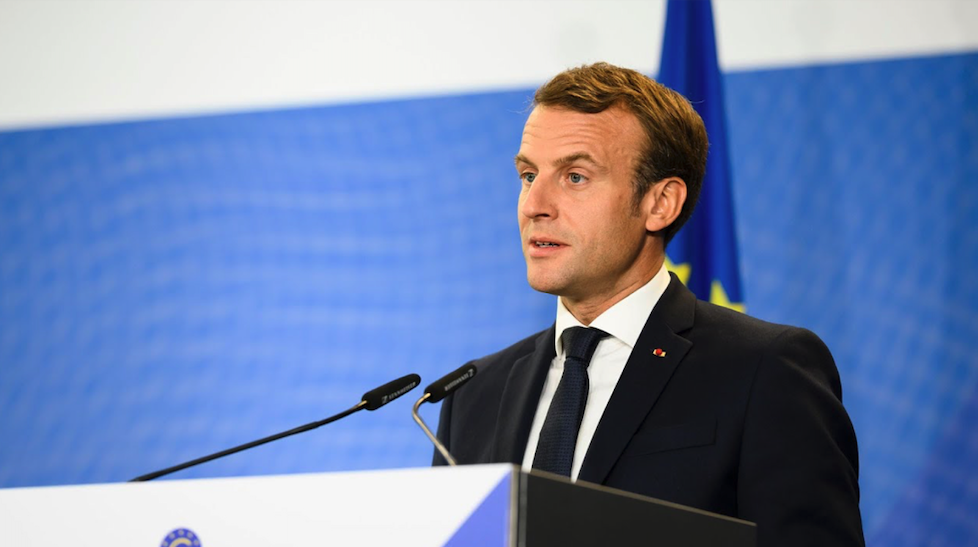
May 17, 2024: The French government on Monday promoted a private sector plan to develop a nickel and cobalt refinery near Bordeaux to reinforce the country’s supply chain for electric vehicle batteries and reduce its reliance on China.
The project from Swiss-based KL1, presented as part of French president Emmanuel Macron’s annual “Choose France” investment event with the target to process 20,000 tonnes of nickel and 1,500 tonnes of cobalt per year from 2028.
The project, called Electro Mobility Materials Europe (EMME), aims to cover 20%-30% of France’s nickel and cobalt needs for electric vehicles by 2030.
France and other European countries have been investing in gigafactories to produce batteries and developing mines for minerals like lithium. But capacity to process metals into high-purity materials suitable for batteries continues to be dominated by Chinese companies.
Last year, France inaugurated a battery-making gigafactory in Dunkirk ‑ the first of four such plants European and Asian companies plan to build in the north of the country. It highlights the race between European governments to attract global car makers as they seek to bring the supply of components for electric vehicles closer to their main markets.
The development by Automotive Cells Company, a joint-venture between Stellantis, Mercedes and TotalEnergies, involves total investment of €2 billion ($2.20 billion) — with the French state and local authorities providing nearly half.
The plant should start production with an initial capacity of 13GWh, to be ramped up to around 40GWh, enough to serve some 500,000 cars a year and this will help create up to 2,000 jobs by 2030, the companies and regional authorities have said.
Taiwan’s ProLogium and China’s Envision AESC have also announced plans to build gigafactories in France’s northern region while Renault has set up a partnership with local start-up Verkor in the same area to produce batteries for its premium and Alpine electric models.
Europe depends largely on batteries made in Asia for electric cars but European heads are offering various incentives to kickstart the industry.
Speaking last weekend about the EMME project, French finance minister, Bruno Le Maire said: “This will allow us to fill a gap in the value chain.” The project, which is going through public consultation and administrative approval stages, could benefit from a green industry tax credit worth around 20% of the investment cost, the finance ministry added.
France has a large nickel mining industry in its South Pacific territory of New Caledonia and KL1 is headed by Antonin Beurrier, a former CEO of New Caledonian nickel producer Prony Resources.
However, a finance ministry spokesperson said it had not been decided yet where the nickel and cobalt would be sourced from for the planned refinery.
The French government has been negotiating a rescue package for the loss-making New Caledonian nickel sector, including a commitment to supply Europe’s battery supply chain, though talks have stalled amid political tensions between pro-independence and loyalist parties.