

November 5, 2021: Shortages of lead in the US and Europe are likely to continue for the foreseeable future because of ‘fraught freight’, said analysts at the Asian Battery Conference on Wednesday, which will give US battery makers a headache in production.
More batteries have to be imported into the US because the country is not self-sufficient in lead, said Wood Mackenzie principal analyst, lead markets, Farid Ahmed. But because of the clogged-up shipping lines and cargo anchored offshore for weeks at a time, battery imports were not easing the pressure either.
“You will get lead, but not as quickly as you want it, and you will be paying more for it,” he said. “You can’t magic it out of nowhere. The reality is we can’t get it soon because the supply chains in Europe and North America are paper thin.
“The stocks on the ground at the smelters and at battery plants and distributors are also razor thin. It will take a while to pump it up to normal level before you can have any reserve. People will abandon their just-in-time philosophy because they’ve got their fingers burnt.”
Neil Hawkes, commodity analyst for lead with CRU, said he believed the freight market would be stretched for the next year — “and it will get worse because people will try to get buffer stocks and over order,” he said.
“Supply was very disciplined going into Covid then we had this unleashing of pent-up consumer demand with the easing of restrictions. There is port congestion because of restrictions and staff shortages, and inland freight is struggling too. The pinch-point along the supply chain is all the way along.
“People are moving away from just-in-time to just-in-case — building a buffer stock because they don’t know how this is going to play out in the next year or two.”
Hawkes said there was a polarization of the lead market, with stock surplus in China and shortages everywhere else.
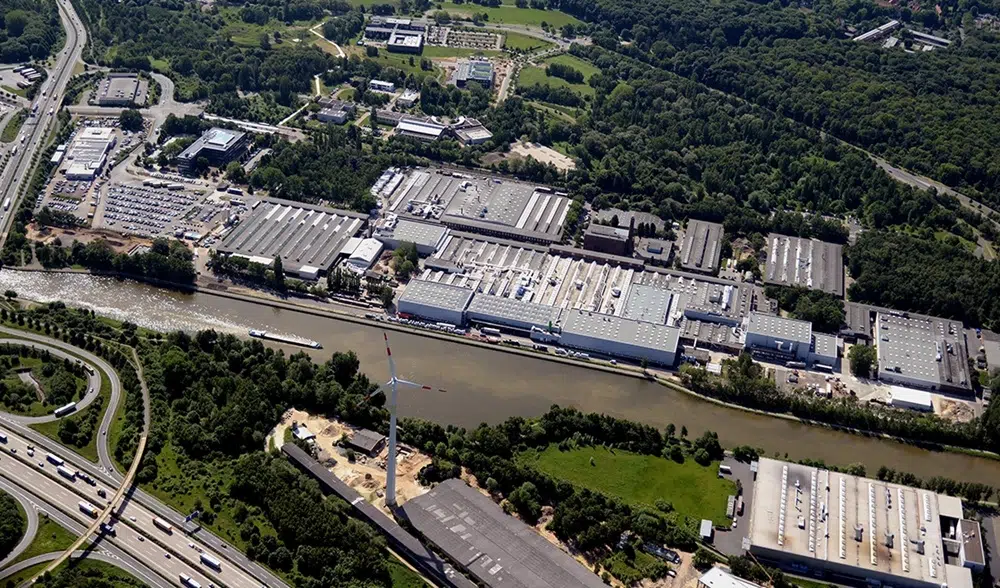
The closure of Ecobat’s Stolberg smelter in Germany in July because of flooding meant supply in Europe was severely curtailed, and now, “whatever is left in Europe will stay in Europe”.
He added that while there was a stockpile in China, this was nowhere near as great as it was at the beginning of the century.
“In my 25 years in the industry, I’ve never seen it like this,” said MAC Engineering president Doug Bornas.
“We are being told the vendor delays will get worse before they get better. There are up to 150 ships anchored outside the ports – we have empty shelves in our stores now.
“Every company we deal with — we make our own machines here, but we have to buy a lot of materials and parts — is having problems. For example, we ordered some parts in September, which were due four or five weeks later and we’re now being told we won’t see them until the end of February, which means customers expecting things in December aren’t going to get them until March.”
A dearth of staff has also caused some of the delay issues, according to Bornas, who said many of them had been taking advantage of government benefits which meant they could afford to stay at home during the lockdowns and not go in to work. This has now ended, however.
“We are told the supply chain issue won’t end until Covid ends, but when is that going to happen?” he says.
“If the freight situation wasn’t so bad the Chinese lead would probably be in the US right now,” said Hawkes. “There are a lot of batteries coming out of China this year, as well as Vietnam and Korea. US imports of batteries are substantially up — and this reinforces the point that the US is struggling to cope with batteries and getting them in any way they can.”