

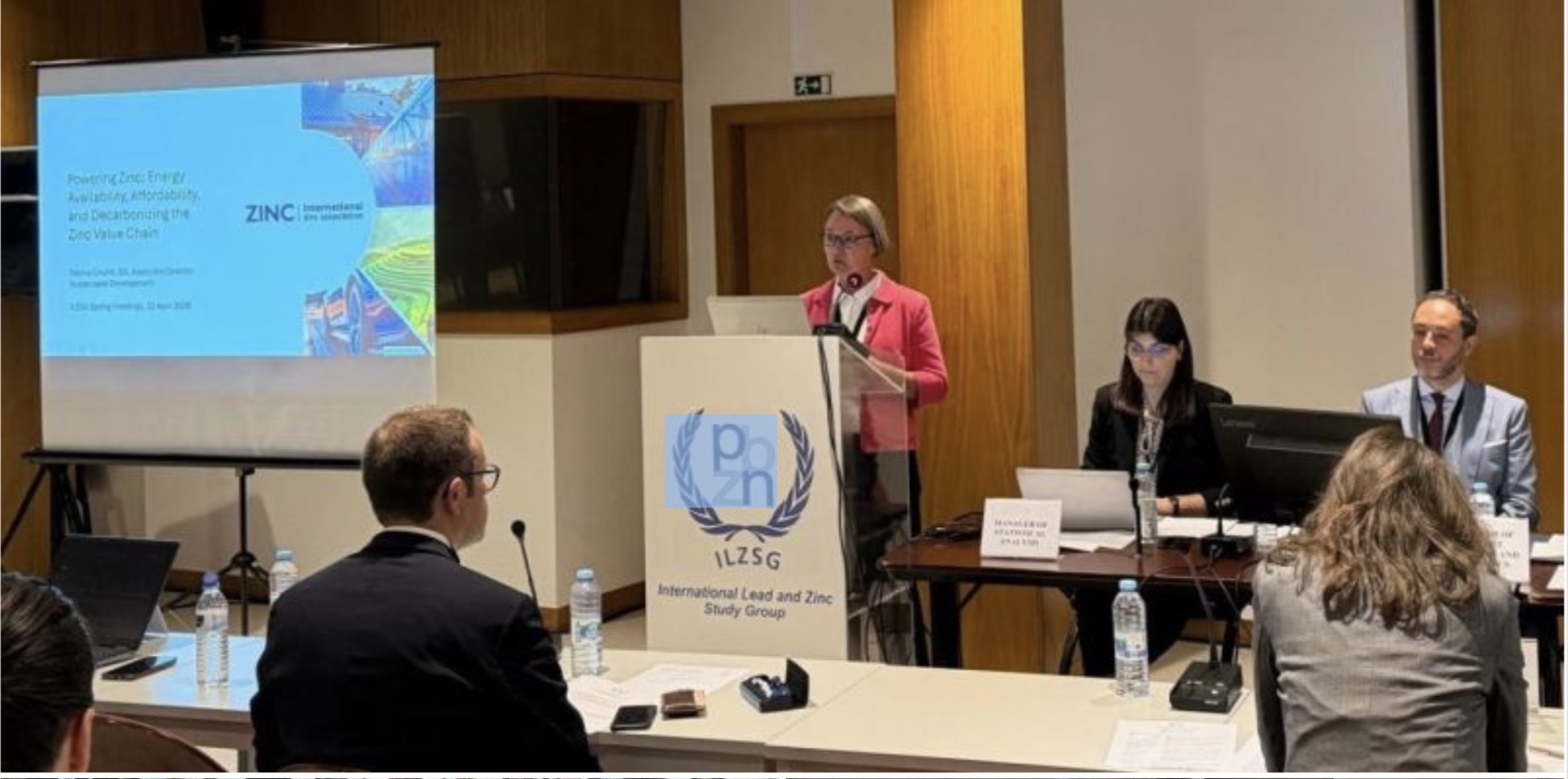
April 30, 2026: The global surplus of refined lead metal is set to increase further this year, with supply expected to outstrip demand by 109kt, according to latest data from the Lisbon-based International Lead and Zinc Study Group (ILZSG).
Worldwide demand for refined lead metal is to increase by around 1% this year to nearly 14 million tonnes, ILZSG said on April 23, the day after the group’s spring meeting.
The latest estimates show continued growth in the refined lead metal surplus, which stood at an estimated 70kt for the first 10 months of last year.
In the US, ILZSG said a further increase of 3.6% in demand is anticipated this year, after US imports of refined metal rose significantly in 2025 and apparent usage (production + imports-exports + stock) increased by over 6%.
In Europe, demand is expected to grow more moderately, by less than 1% in 2026, after increasing by 3.3% last year.
Demand should rise this year in Brazil, India, South Korea and Mexico while remaining unchanged in Japan. Chinese demand is forecast to dip by 0.7% following lacklustre growth of just 0.4% in lead demand last year, as a result of a fall in exports of lead acid batteries.
Meanwhile, world lead mine production is forecast to grow by 1.2% to around five million tonnes in 2026, main due to increases in Australia, China, India, Ireland and Portugal — where ILZSG said the recovery of lead and zinc at the Aljustrel mine resumed in the fourth quarter of 2025.
These increases will be partially offset by reductions in the US and Sweden, where the Garpenberg operation is facing operational constraints due to increased seismic activity, which are expected to limit output this year, ILZSG said.
World refined lead metal output is expected to increase by around 1% to 13.83 million tonnes in 2026, mainly influenced by rises in China, India, Japan, Kazakhstan and Brazil — where new secondary capacity was commissioned in 2025. In the UK, however, production is expected to decline.