

August 2, 2024: It hasn’t been a week of promising news for EVs as two global companies have been forced to U-turn their plans in the face of continuingly disappointing uptake in sales worldwide.
German chemical company, BASF, announced it has temporarily halted its planned battery recycling project at the Tarragona site in Spain in its second quarter 2024 financial report. “The market penetration of electric vehicles has slowed down significantly outside of China,” CEO Markus Kamieth said.
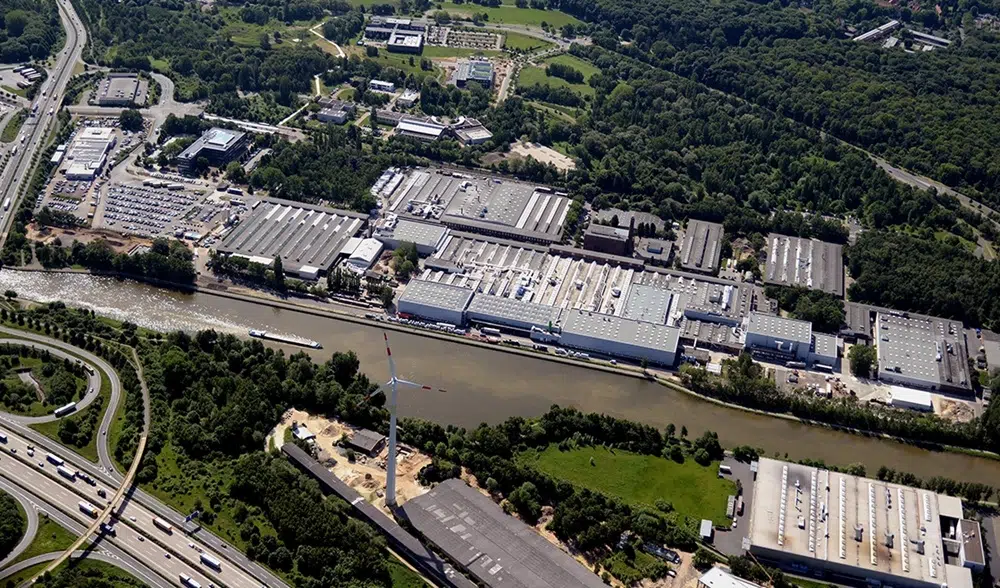
BASF also operates a pilot-scale facility in Schwarzheide, Germany, which opened this April. This facility is Europe’s first co-located centre for battery recycling and battery material production. It takes end-of-life batteries or production scrap and feeds them directly back into BASF’s cathode active materials plant, thus reintegrating them into the battery supply chain.
On the other side of the Atlantic, construction of a $2.7 billion battery project in eastern Ontario has also been halted. After breaking ground on the plant last year, Belgian battery materials company, Umicore, has now said it is delaying construction, blaming “significant worsening of the EV market context and the impacts this has on the entire supply chain.”
The multi-billion dollar plant was being built to produce battery components for EVs and was hoped to bring hundreds of jobs to the region.
But Umicore cited a situation on June 12 when it announced that a contract with a Chinese manufacturer hadn’t materialized. The company said its legacy contracts were tailing off faster than anticipated and that there was a delay in the “ramp-up of contracts” in Europe.
And in Spain, BASF said it was prepared to resume its battery recycling project once the development of cell capacities and the adoption of electric vehicles in Europe had picked up again.
But while electric vehicles are flying off forecourts in China, in the rest of the world they remain a conspicuous minority of the market. EVs accounted for 13.9% of car sales in Europe in the first six months of the year, down from 14.2% in the first half of last year.
In the UK, electric car sales have barely risen, from 16.1% last year to 16.6%, but below a government mandate of 22%. Tesla, the world’s biggest electric car maker by volume, has recorded declines in the last two quarters — shares fell 12% after the company’s quarterly results last week revealed a 45% drop in profit.
SK On, the South Korean battery giant announced just days ago that it was in a state of “emergency management” after continuing losses and disappointing EV sales among the Western car makers that make up its biggest customers. The company has recorded 10 quarters of consecutive losses and delayed plans for a giant battery factory in Kentucky amid a sales slowdown.
On July 25, its Korean rival LG Energy Solution also reported a 30% drop in quarterly sales and said it was slowing investments in order to “prevent excessive inventory”. The company’s chief financial officer said that carmakers were “moderating their speed” when it came to electrification, and that the prospect of former US president Donald Trump returning to the White House could hold back investment.