
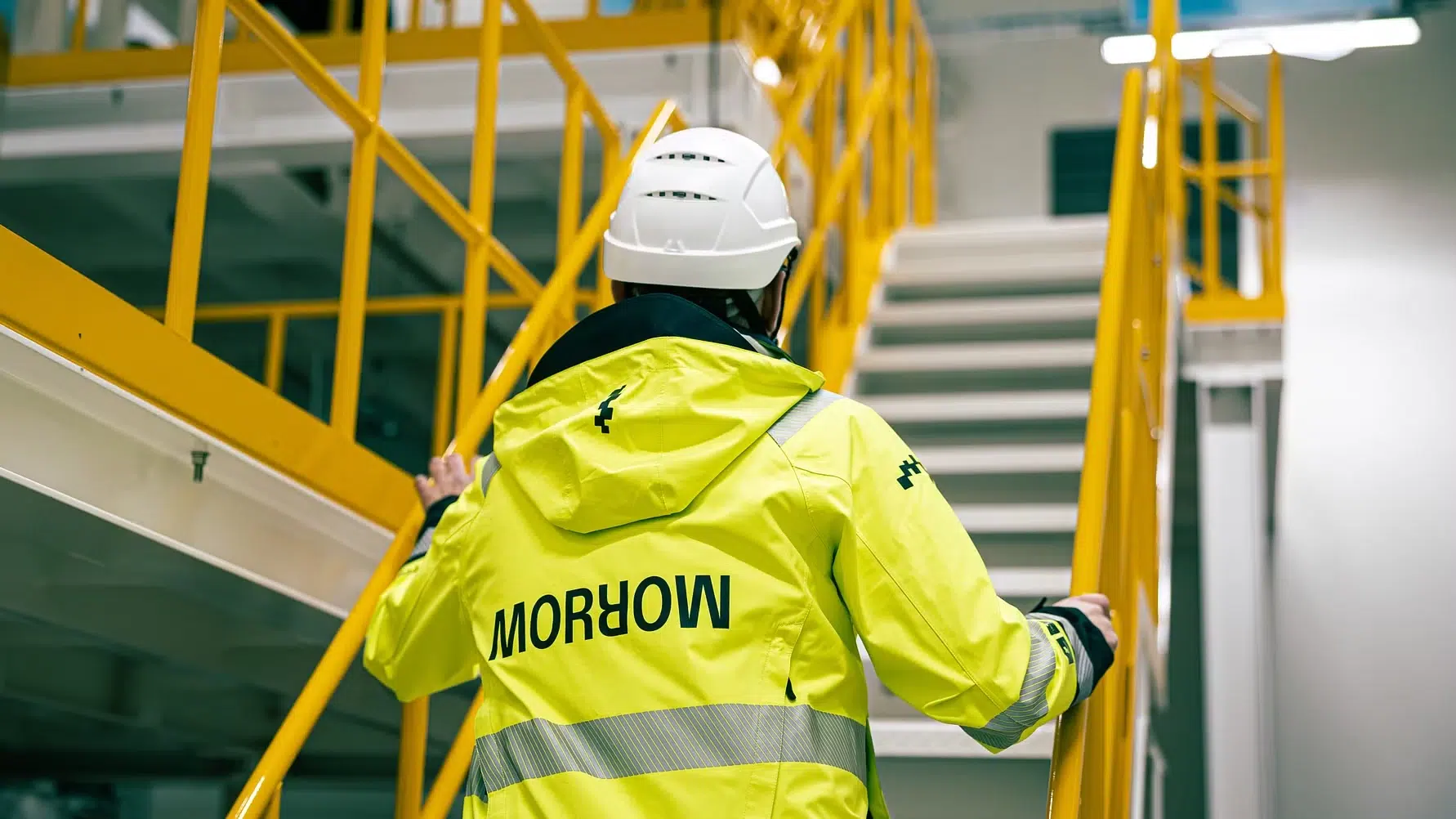
May 6, 2026: Norway’s Morrow Batteries said on May 6 its board had decided to file for bankruptcy for the firm and subsidiaries Morrow Technologies and Morrow Industrialization Center.
The LFP and high-voltage LNMO-X tech developer said it had failed to secure extra time to complete the process of securing a new industrial investor and financing the group.
The announcement came just four months after Morrow announced its priorities included conserving cash and closing an office in Oslo — despite entering the final phase towards full‑scale series production.
Morrow had recently entered into a long-term master supply agreement with the Finnish company Proventia Oy and concluded its first commercial agreement within the defence industry, involving deliveries to a German company.
However, the company said its financial situation had further deteriorated over recent months.
“The company has been operating in an early and capital-intensive industrialisation phase, while at the same time the global battery market has become more competitive with oversupply and resulting price pressure,” Morrow said.
“In addition, increased capital costs, delays in the industrialisation process, and a more restrained investment market have made it significantly more difficult to secure financing.”
The Agder District Court is expected to appoint a bankruptcy administrator shortly for the Norwegian companies, who will assume control over the company’s assets and operations.
Morrow said its management would fully assist the administrator in establishing oversight, preserving value, and facilitating any solutions that may contribute to the continuation of parts of the business.
Jon Fold von Bülow, acting CEO, said: “What has been achieved at Morrow is the result of extraordinary dedication, resilience, and belief through a period of significant challenges. While this chapter comes to an end, the knowledge, technology, and capabilities developed here represent lasting value.”