
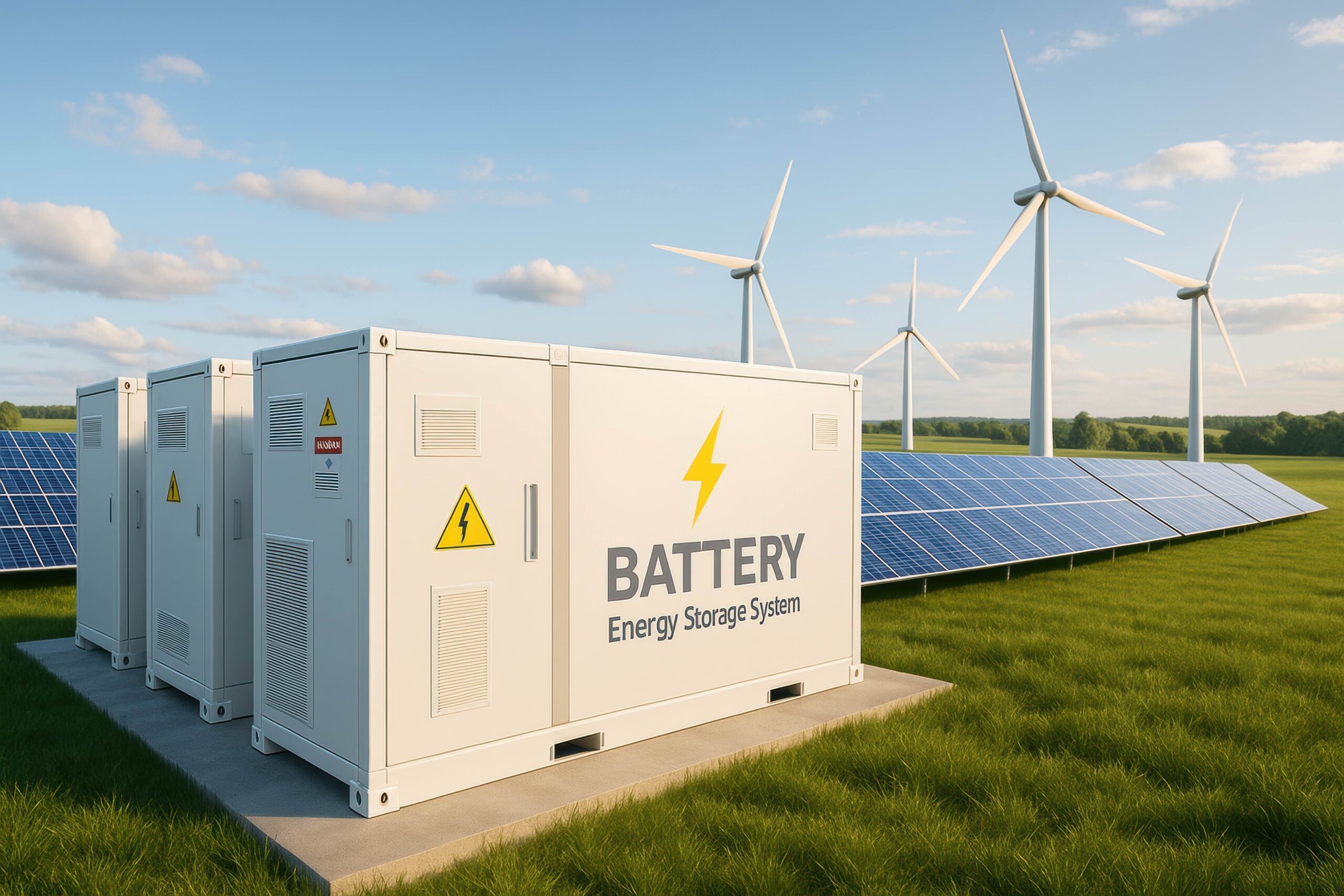
May 6, 2026: Battery storage systems paired with hybrid solar and wind energy can deliver 24/7 power at lower costs that fossil fuel electricity generation, according to a new report by the International Renewable Energy Agency (IRENA).
Firm levelized costs of electricity (firm costs) for solar plus storage range from $54-$82 per MWh in certain areas, compared with $70-$85 per MWh for new coal in China and more than $100 per MWh for new gas globally, IRENA said on May 6.
IRENA’s report, ‘24/7 renewables: The economics of firm solar and wind’, indicates that in prime solar and wind regions, hybrid solutions combined with storage can deliver round-the-clock power at lower costs than fossil fuels.
Analysis by the agency shows firm costs have declined rapidly, driven by falling costs for solar PV, wind power and battery storage.
Since 2010, total installed costs are down by 87% for solar PV and by 55% for onshore wind. Battery storage costs fell even more sharply, declining by 93%.
Specific analysis of solar-plus-battery configurations across multiple countries shows that firm costs have fallen from above $100 per MWh in 2020 to around $54-$82 per MWh by 2025 at high-irradiance solar regions and strong wind corridors.
IRENA projects further cost reductions of roughly 30% by 2030 and around 40% by 2035, bringing firm costs below $50 per MWh at the best-performing sites by 2035.
The report cites the United Arab Emirates’ Al Dhafra complex, which pairs solar PV with battery storage, as delivering a firm 1GW of clean electricity at around $70 per MWh.
Firm wind‑plus‑storage systems are also becoming increasingly competitive. IRENA’s estimates for 2025 show that firm wind-plus-storage costs ranged from around $59 per MWh in Inner Mongolia to around $88-$94 per MWh across Brazil, Germany, and Australia, with costs projected to fall to roughly $49-$75 per MWh across these markets by 2030.
Director general Francesco La Camera said economies should urgently be insulated against geopolitical shocks, including ongoing fuel supply disruptions in the Middle East.
“The economics of the entire energy system have shifted. The battery revolution has driven down costs while accelerating advances in storage. The advantage of renewables is not only economic but strategic, strengthening resilience, stability, and energy security in times of crisis.”