

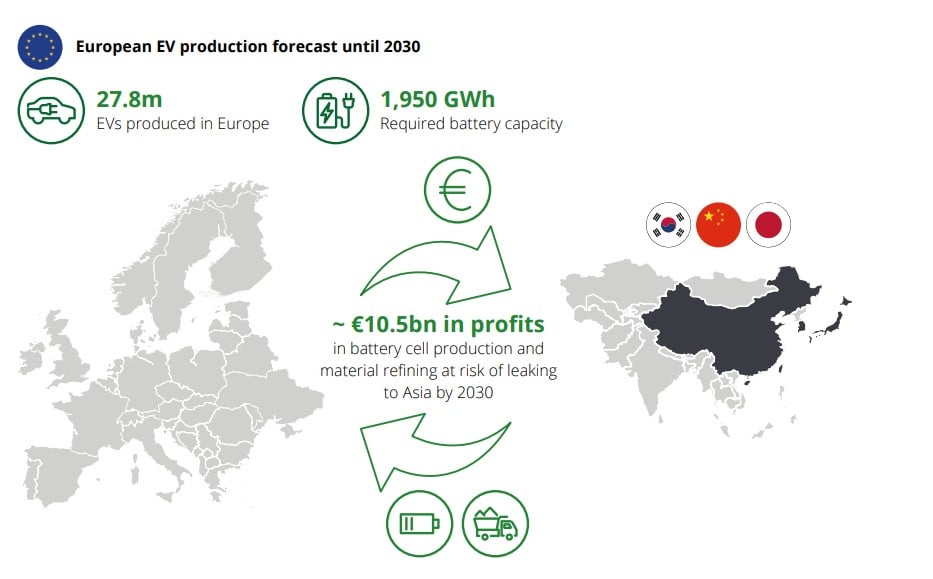
Europe’s auto industry could see up to €10.5 billion ($12 billion) in profits diverted to Asia by the end of the decade because of a chronic dependency on sourcing EV battery cells from the Far East, new analysis from Deloitte has claimed.
The ‘Deloitte Battery Maturity Assessment’ report, published on August 3, based its forecast on nearly 30 million EVs expected to roll off European production lines in the next four years and requiring close to 2,000GWh of battery capacity.
Europe’s battery industry is now at a crossroads — and buying cheap battery cells from Asia is not a long-term solution for sovereign European battery production, the report warned.
But while Europe is taking steps to strengthen its battery ecosystem, much of the momentum remains focused on the most visible downstream steps, such as module and battery pack assembly.
Expanding upstream and midstream capacity is progressing more slowly. The phase between cell production and module manufacture — as well as subsequent pack integration — appears to be the weak link in Europe’s value chain, Deloitte said.
More than 200 decision-makers from across 13 European countries contributed to the report.
Over 80% of respondents across the value chain said the primary obstacle to battery sovereignty was material and cell supply, significantly higher than module/pack manufacturing (65%).
While recycling could help bridge the material supply gap, refinement — which Deloitte identified as the essential link between raw materials and cell production — remains a critical bottleneck.
Pack integration is only responsible for around 20-25% of the value pool, while material supply (50–60%) and cell production (15–30%) account for the majority of value creation and differentiation, the report said.
Nearly 40% of participants did not believe Europe would be able to buy battery cells at competitive prices in the future and 41% said EU demand cannot be met by European companies alone.
“The task now is to increase process maturity and master production at scale. If Europe does not master existing production processes, it will never scale next-gen battery technology.”
Companies are willing to invest in battery production projects in Europe. But in order to stimulate investment, Europe needs to stabilise regulatory policies and market demand.
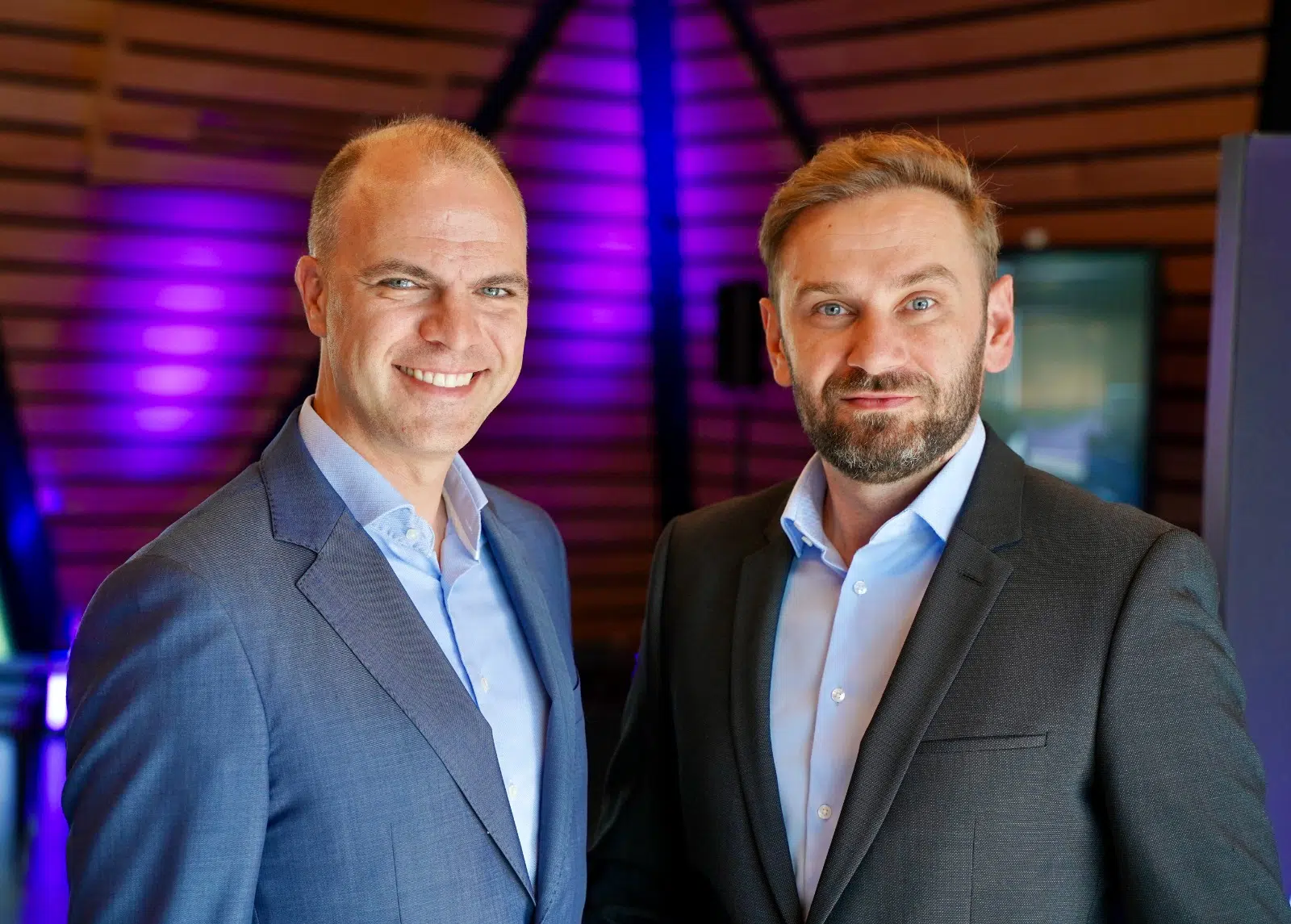
Deloitte’s global automotive lead Harald Proff said: “Europe’s battery future will not be decided in the lab. What really matters are the first 10,000 tonnes of material, the first 12 months of ramp‑up and the first yield crises at scale.”