
The UK’s Office for Product Safety and Standards (OPSS) has warned of a potential fire risk from Tesla Powerwall 2 ESS systems, triggering a replacement programme for affected units.
The OPSS issued the warning on September 28, saying affected US-origin Powerwall 2 models, designed largely for residential energy storage, presented a fire risk because certain battery cells might develop internal defects over time.
An investigation identified that battery cells manufactured by a third party may contain excessive lithium plating, which can lead to cracking of the cell casing, OPSS said.
“This may result in an internal short circuit and subsequent thermal runaway, increasing the risk of the battery overheating and catching fire.”
The product does not meet the requirements of UK electrical equipment safety regulations, OPSS said.
Tesla has remotely discharged an unspecified number of most affected Powerwall 2 units pending replacement, while any remaining affected units are being discharged by Tesla technicians.
OPSS said Tesla advised customers to ensure their Powerwall 2 units remain online and to check the Tesla app for a notification confirming whether their units are affected. If a replacement is required, customers should contact their original Tesla certified installer to arrange installation.
Tesla’s Powerwall 2 replacement programme web site says the company is disabling and replacing units that have faulted in operation and are no longer meeting Tesla standards. These units will be replaced free of charge.
Discharged units do not pose an operational risk, the company said.
Meanwhile, Tesla has yet to respond to questions from Batteries International about the number of Powerwall 2 systems that are affected in the UK — and whether a worldwide Powerwall 2 replacement programme has been launched.
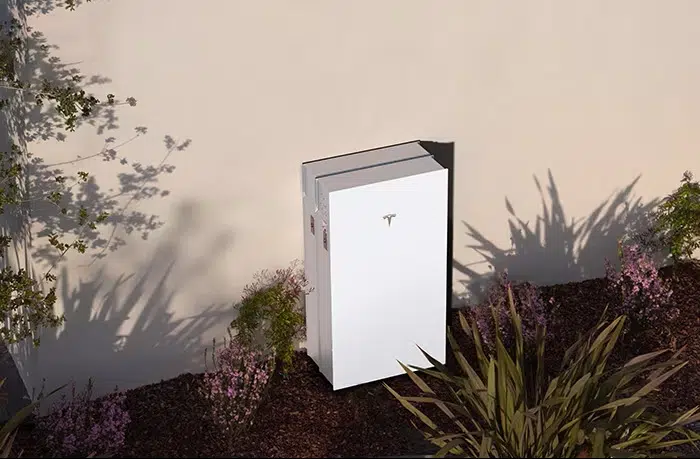
Tesla discontinued Powerwall 2 in 2025 and shifted focus to Powerwall 3. Powerwall 2 was marketed as a fully-integrated AC battery system for residential or light commercial use with rechargeable lithium ion battery packs providing energy storage for solar self-consumption, time-based control and backup.
Photo: Tesla