
South Korea’s president has put materials critical to the battery industry and manufacturing technology at the centre of what he called a ‘new Silk Road’ pact with Central Asian nations.
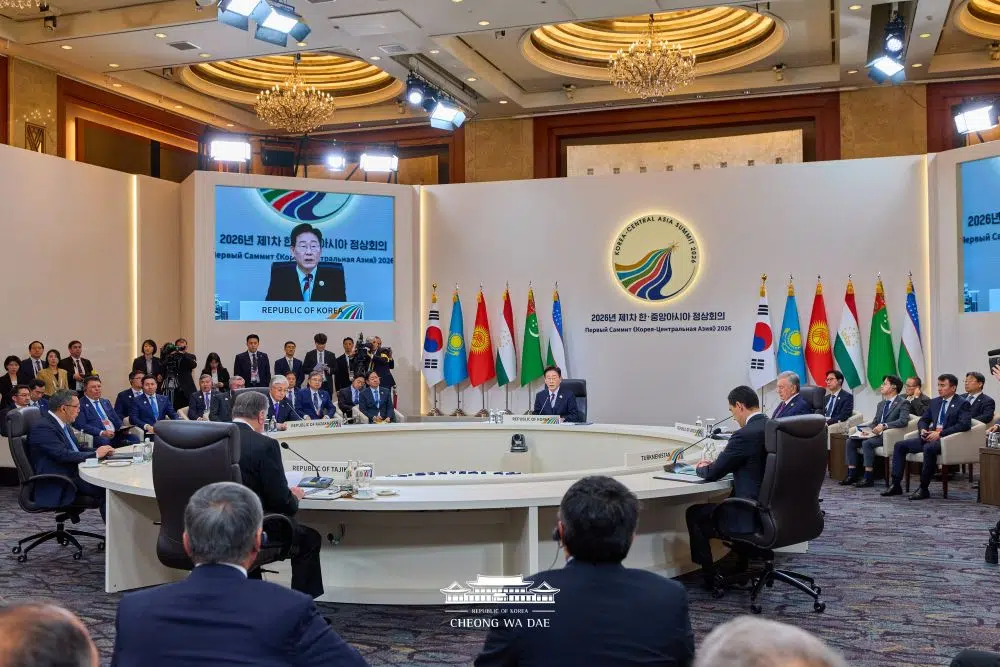
Lee Jae-myung used the first Korea-Central Asia Business Summit on September 16 to call for a move beyond raw materials trade and strengthen “full-cycle cooperation” in the critical minerals sector — covering exploration, smelting, high-value material processing and final product production.
Leaders from Kazakhstan, Kyrgyz, Tajikstan, Turkmenistan and Uzbekistan took part in the one-day summit, during which a total of 19 memoranda of understanding relating to business cooperation were signed.
One of the agreements, between the Korea Institute of Industrial Technology and Kazakhstan’s national institute for metallurgical and ore research, set out a blueprint for mineral supply chain cooperation by “linking local resources with domestic technology”.
Lee said: “As global supply chains are being reorganised, Central Asia is a treasure trove of essential critical minerals for electric vehicles, batteries, and semiconductor production.”
When abundant resources such as lithium meets Korean manufacturing capabilities, partner nations can lead the global market, he said.
“Korean companies with extensive construction experience and proven technology are the best partners to innovate Central Asia’s infrastructure. We must build transportation and energy arteries connecting vast continents, along with a dense logistics network, to unlock Eurasia’s potential.”
The summit comes as Korea strives to challenge China’s dominance of the global battery sector by building international alliances.
Batteries International reported last year that Korea had scrambled to shore up the country’s faltering battery sector with an initial cash infusion worth close to $15 billion, as a global slump in EV sales took its toll on the industry.
Earlier this year, a Korean joint venture including battery material and chemicals group Posco Future M broke ground for an LFP cathode materials plant in the country targeting the ESS and EV batteries market.
That came after US battery tech company Coreshell Technologies agreed an eight-year LFP supply deal with Korea’s L&F Corporation in a move to offer a “fully China-free” battery materials option.
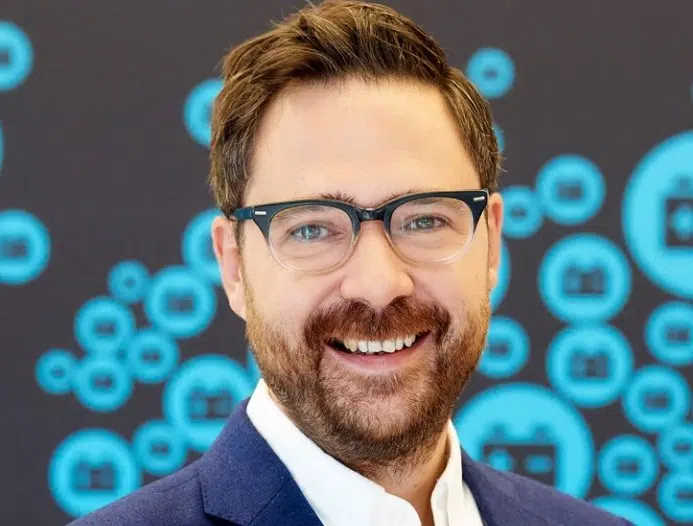
Photo: South Korea president's office