
Australia has all the ingredients to become a battery manufacturing powerhouse by expanding and investing in the skills, materials and expertise the country has to make key components, according to new analysis.
A study released on November 4 by the country’s national science agency — the Commonwealth Scientific and Industrial Research Organisation (CSIRO) — looks beyond Australia’s critical-minerals strengths to consider what it would take to turn more local resources into the parts that make up every battery cell.
The study focuses on expertise in advanced manufacturing, battery materials and industrial process assessment, alongside expertise on how battery components and looking at what Australian industry can already do.
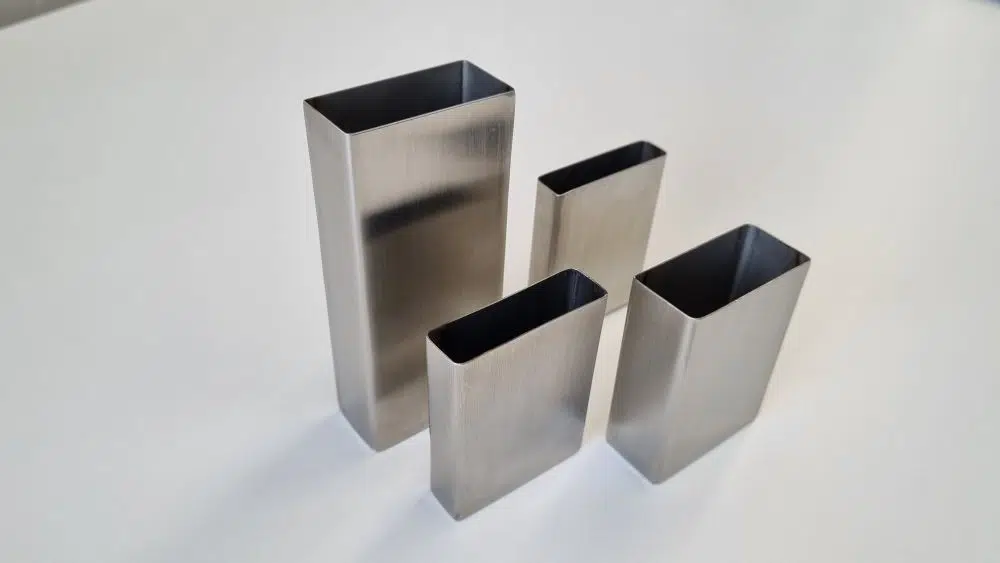
Rather than attempting to build every part of a battery industry at once, the study points to two promising first steps — making prismatic battery cell cans from Australian aluminium using an impact extrusion process, and producing copper current collector foil using electrolytic deposition.
According to CSIRO, a practical first step for Australia could be producing prismatic battery cans from aluminium. The country has a strong aluminium industry and experience in manufacturing similar products, including aerosol cans.
The study recommends investing in facilities and production equipment tailored to making battery cans locally.
Meanwhile, electrolytically deposited copper foil can be a viable first priority for establishing a local lithium ion battery manufacturing sector. This would build on Australia’s copper production and refining capability and can be scaled by adding production cells over time, which is less capital-intensive than rolling routes, the study said.
Rebuilding lost or reduced downstream capability will require careful technical, commercial and market analysis, particularly where facilities need high utilisation to be viable, the study said.
However, CSIRO said its analysis shows that Australia is not starting from scratch. The country has the minerals, parts of the industrial base and growing national interest in clean energy manufacturing. With targeted investment, it could turn more local resources into battery components made in Australia, supporting jobs, supply-chain resilience and long-term energy security.
CSIRO researcher Geoff de Looze said: “Australia has many of the building blocks needed for a battery manufacturing sector. The question is where we can take the most practical next steps.
“This work identifies areas where Australian materials, existing industrial capability and targeted investment could come together to create a stronger domestic supply chain.”
Batteries International reported earlier this year that Australia’s battery materials recovery sector had the potential to be worth around A$7 billion ($5 billion) to the national economy by 2050.
*The study, ‘The future of Australian battery manufacturing: cell cans and current collector foils’, is online.
Photo: CSIRO