

Breakthrough ‘cleaner smelting’ technology developed by US lead miner and recycler the Doe Run Company is to be further improved over the next year as the firm enhances its sustainability credentials.
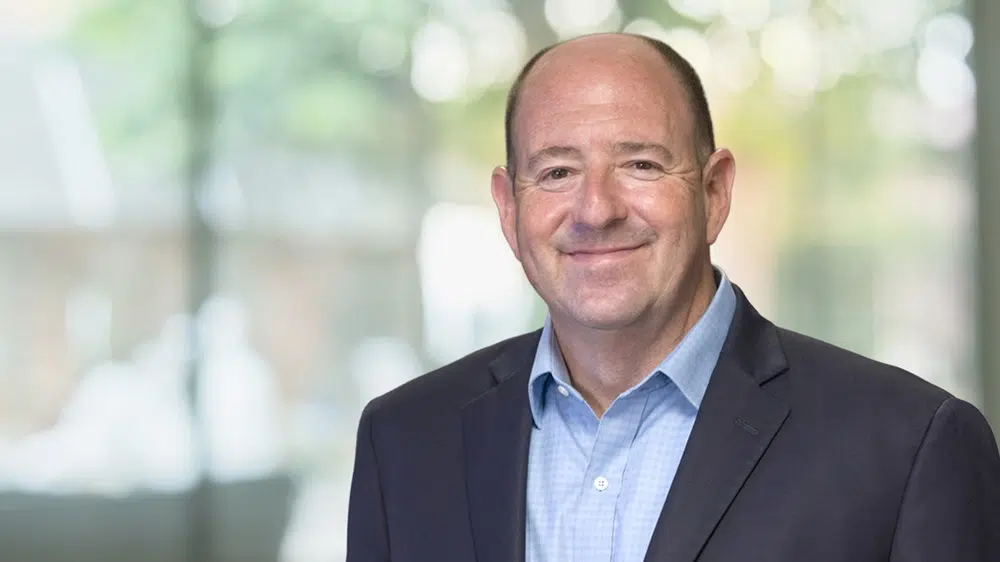
The firm’s ACL HydroMet Process (ACL), in development for 15 years, has the potential to help fuel additional critical minerals production in the US state of Missouri, Doe Run president and CEO Matthew Wohl said on October 5.
A pilot plant has already proven that the proprietary technology can extract a versatile array of critical minerals, including cobalt, copper, germanium, nickel, zinc, lead, antimony and tin, Wohl said.
In a letter published alongside the firm’s 17th annual sustainability report, he said once ACL enters full commercial production, it will allow Doe Run to generate a greater volume of valuable resources from the same amount of mined and recycled material.
Liquid-based chemistry
Existing milling and mineral processing techniques require Doe Run to be highly selective about headings being mined and to sort material underground before it reaches the mills — costing money and higher costs increase the ore grade needed to cover expenses.
However, ACL “changes that equation”, Wohl said.
Unlike traditional smelting, which requires immense heat, energy and emits significant greenhouse gases, ACL uses liquid-based chemistry, specifically an ammonium chloride solution, to extract a wider range of metals from mineral concentrates, recycled batteries, pyrometallurgical slag and mining chat and tailings.
Doe Run claims the technology achieves what no other hydrometallurgical process that the company knows of currently in use can do: recover multiple critical minerals (including copper, zinc, cobalt, nickel, lead, tin, antimony, and germanium) with one process in a single facility, with significantly lower air emissions and a smaller carbon footprint.
The chloride-based solutions are recycled within the process, minimising liquid waste and reducing operating costs compared to conventional methods.
Wohl said as the process can be fed by a lower grade bulk concentrate, the sorting and separation performed underground today will no longer be necessary, meaning less time and less cost to bring material to the surface.
‘Lower costs’
“Lower operating costs also support economically mining lower-grade ore, while enabling recovery of minerals that are difficult to recover with current approaches, including cobalt, nickel, and germanium.
“By lowering costs and recovering more value from the same ore bodies, we can extend the life of our mines and sustain the jobs of the people who work them.”
Meanwhile, Doe Run continues to modernise recycling operations to meet changing market needs.
Over 30 years ago, Doe Run transformed a primary lead smelter into a plant that recycles lead batteries and other lead-bearing materials — the Buick Resource Recycling Facility — one of the nation’s largest lead recycling operations.
Wohl said the company’s engineers are now pushing ahead with a modernisation plan that incorporates ACL into its current recycling operations in addition to using off-the-shelf technology.
Critical minerals
The result is improved operating conditions for employees, fewer emissions, lower operating costs, and better recovery of minerals, particularly tin and antimony, that arrive at the company’s receiving dock.
“Through our pilot plant, we have proven that our proprietary technology can extract a versatile array of critical minerals, including cobalt, copper, germanium, nickel, zinc, lead, antimony, and tin,” Wohl said.
“These minerals are strategically important to national security, commercial production of goods, and economic well-being, and the US continues to depend heavily on foreign supply for many of them. The process can also pull valuable resources from what is currently considered waste, strengthening US supply and supporting environmental cleanup.”
Doe Run is proud of keeping 100% of its copper product in North America for processing, reducing foreign dependency and cutting emissions associated with long-distance freight.
The company is also continuing domestic production of zinc, keeping the vast majority of its zinc in North America for production — and said its recycling operations are essential to strengthening US resilience by helping support domestic battery supply chains.
But Wohl said lead remains a Doe Run staple — its strategic and economic value confirmed by being designated by the US as a critical mineral last year — and the company is the country’s top lead concentrate producer.
“Our product is among the cleanest in the world and is trusted across the industry. We continue to sell 100% of our production.”
Doe Run’s sustainability report is online.
Photo: Doe Run