

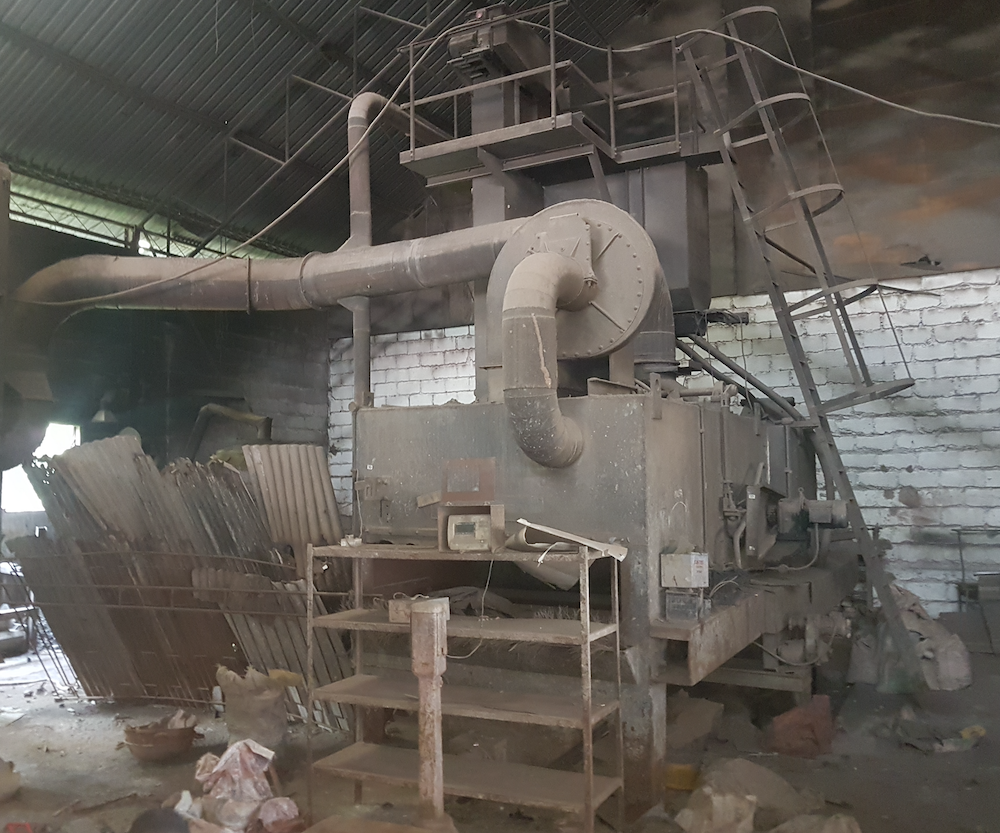
March 13, 2024: German non-profit the Oeko-Institut has launched a new program aimed at improving battery recycling in Nigeria in cooperation with international partners including the lead battery industry.
Oeko-Institut said on March 5 the project will work to raise labor and environmental standards in Nigeria and help the country establish sustainable trade in battery raw materials.
Germany’s economic cooperation and development ministry is funding the initiative, which is also supported by the country’s international development agency GIZ.
Oeko-Institut researcher on circular economy and recycling Frederick Adjei told Batteries International on March 11 members of the international ‘LeadBattery360°’ initiative had been contacted for their expertise.
LeadBattery360° was formally launched in October 2022 and is backed by global trade organizations the ILA, BCI, EUROBAT and the Association of Battery Recyclers.
ILA senior regulatory affairs director Steve Binks told Batteries International: “We are actively supporting the project by providing them with technical guidelines to help assess the environmentally sound management of recyclers in Nigeria.”
Adjei said 10 lead battery recycling facilities in Nigeria are being invited to take part in the new Germany-led program, although it will be up to Nigerian authorities to decide if the participation should be mandatory.
Under the proposals, participating plants will be assessed and offered plans to improve operations and practices where necessary.
Specific training will also be provided as well linking up Nigerian companies and regulatory officials with international experts in the lead battery sector.
According to the Oeko-Institut, there are various estimates on the amount of end-of-life lead batteries in Nigeria annually ranging from 100,000 tonnes to 200,000 tonnes.
The organization estimates that more than 90% of the lead is exported. Adjei said the downstream use of this lead is widely unknown because export networks are opaque.
“But as 85% of the world’s lead market is tied to lead acid batteries, it must be assumed that much of the recycled lead from Nigeria somehow ends up in this sector again.”
Leslie Adogame of the Nigerian organization Sustainable Research and Action for Environmental Development (SRADeV) said: “We have been monitoring the recycling of used batteries with great concern for many years and have already worked with the Nigerian government on a battery policy.
“We see this new project as an important continuation and practical implementation of that work.”
Photo: SRADeV Nigeria