
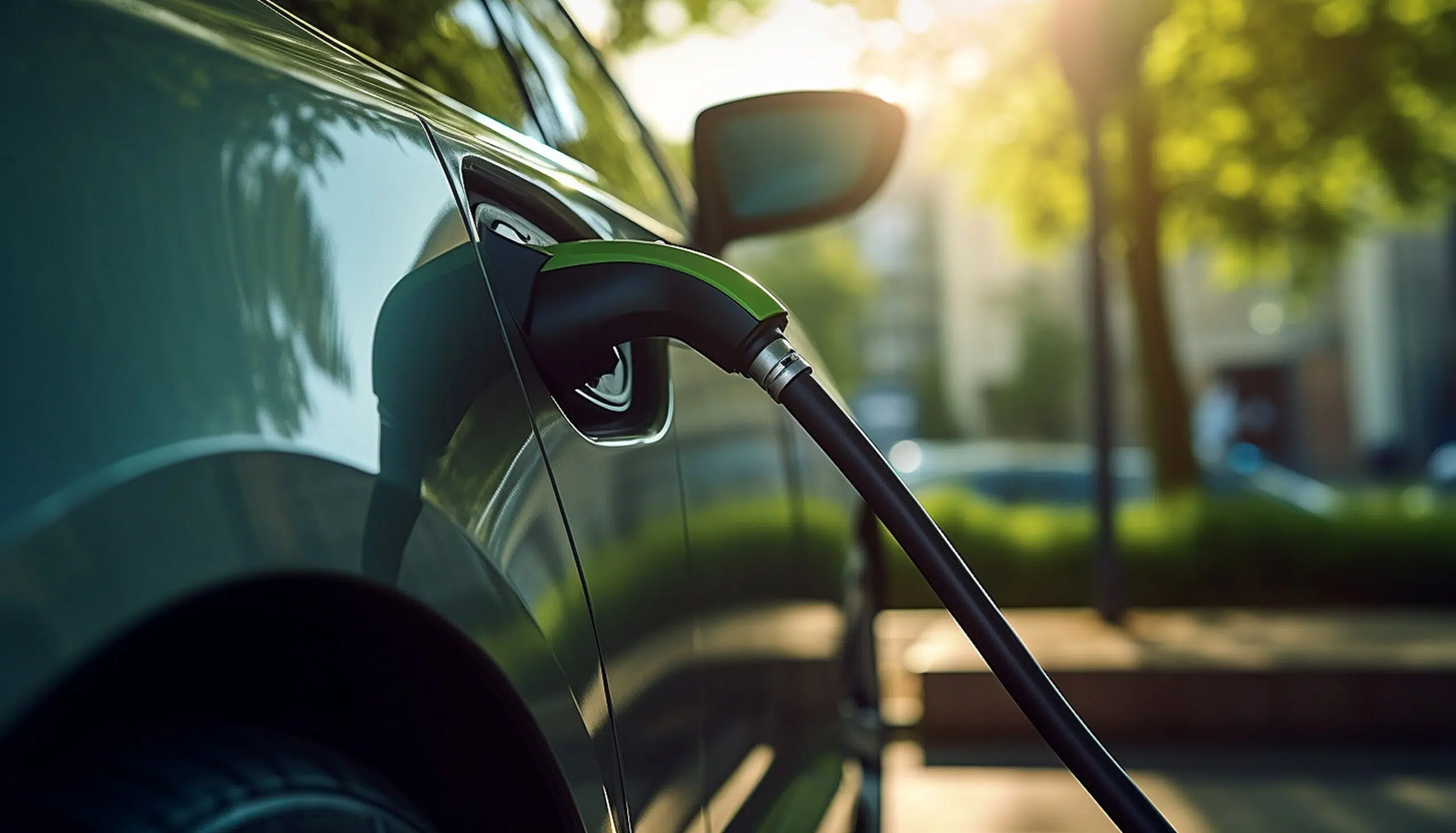
Manufacturing and supply-chain emissions from lithium ion batteries could increase more than 10-fold by 2050 as global demand rises — with cleaner production alone not enough to limit the impact, according to a University of Melbourne-led study.
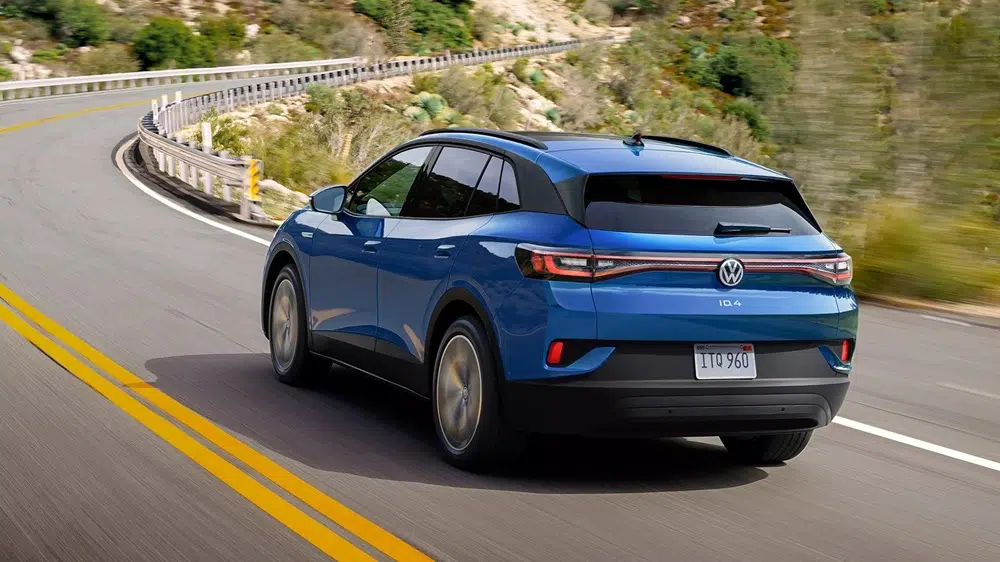
The study’s modelling found that over the same period, demand for LIBs used in electric cars, vans, buses, trucks and battery energy storage systems could rise 20-fold, fuelling the increase in supply-chain greenhouse gas emissions (GHG).
The university said the study, released on October 16 and supported by researchers from the Chinese Academy of Sciences and the University of Sheffield, is one of the first detailed global assessments to examine both supply-side and demand-side factors.
Published in Cell Press’ sustainability journal ‘One Earth’, the research, led by University of Melbourne associate professor Wen Li, found that cleaner production alone was not enough to mitigate the resulting annual LIB supply chain emissions.
GHG emissions were quantified across four life cycle stages of LIBs through 2050 — battery material production, component production, battery manufacturing and end-of-life treatment, based on projected activity levels and GHG intensities for each stage.
As the world deploys batteries faster than ever, these emissions could offset the very climate benefits batteries are meant to deliver, the study claims.
“Cleaning up production on the supply side, such as switching battery chemistries, building greener factories, and recovering materials from used batteries, is the common response, but each of these levers has a practical ceiling, leaving it unclear whether cleaner production can outrun the rising demand.”
While supply-side strategies lower GHG intensity substantially, cutting cumulative emissions by 3.5-4.7 gigatonnes of CO2-equivalent, they face mitigation limits from technical ceilings, deployment dynamics, and cross-strategy interactions.
Demand-side strategies are essential to further constrain supply-chain emissions, unlocking 6-7.2 Gt CO2-eq of cumulative mitigation beyond what supply-side decarbonisation alone can achieve.
Wen Li said while cleaner production helped, reducing demand was “another very large mitigation opportunity”.
He said supply-side decarbonisation remained essential. Cleaner electricity was especially important and recycling increasingly valuable. However, without the additional measures tested, the global battery supply chain could generate around 19–23 billion tonnes CO₂-eq emissions through to 2050.
“Combining ambitious supply- and demand-side strategies cuts this to around 9–12 billion tonnes, roughly half,” Wen Li said.
Objectives for policymakers globally should not only ask how to make each battery cleaner but also interrogate how many batteries are sustainably viable to produce, replace, and process.
Study lead and first author Haiwei Zhou, of the University of Melbourne’s Faculty of Engineering and Information Technology, said the team now hoped to improve the model’s regional resolution, as mining, refining, electricity and environmental pressures varied greatly between locations.
“We also want to test whether the same supply-versus-demand dynamic appears in other rapidly growing clean-energy supply chains such as wind turbines and solar panels.”
To see the full study online, click here.