

Written by: Shona Sibary
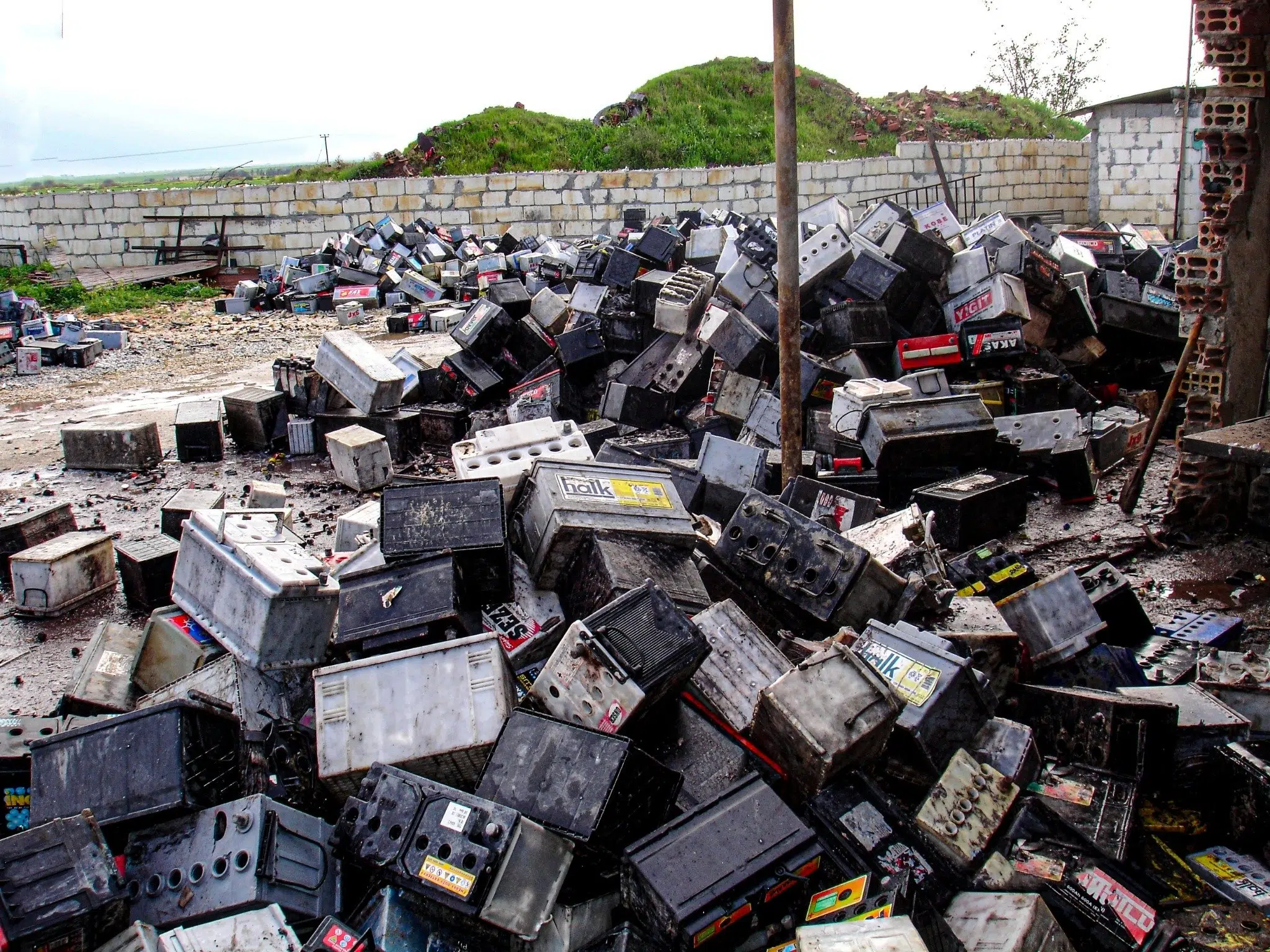
Recycled lead has become a strategic national security resource in the United States, with Washington increasingly focused on protecting domestic supplies as demand rises and growing volumes of spent batteries are exported, according to BCI.
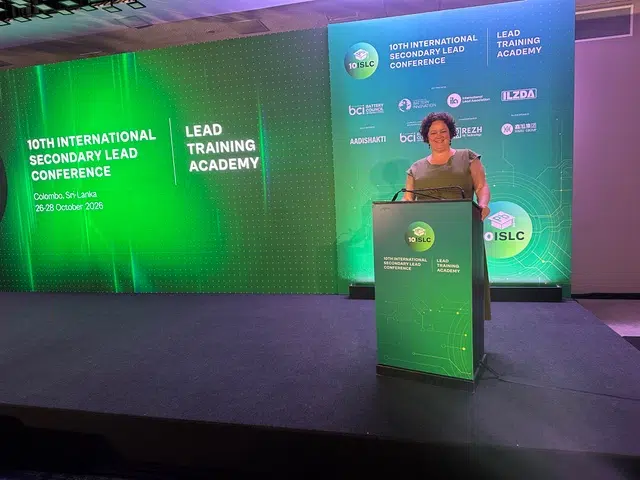
Speaking at the 10th International Secondary Lead Conference in Colombo, Susan Bernard, vice president of government relations and sustainability at BCI, said recent US trade policy developments could have significant implications for the movement of recovered lead and other battery materials across international borders.
“Demand in the US is rising, while spent batteries are leaving the country at a higher rate,” she told delegates.
With no domestic primary lead refining capacity, the US relies heavily on recycled lead and its integrated North American supply chain to meet the needs of battery manufacturers.
Bernard said North America supplies approximately 85% of the lead required for battery manufacturing each year, with the remaining 15% sourced from trusted trading partners.
The importance of that supply chain has become increasingly apparent as Washington expands its use of tariffs, trade measures and national security provisions to protect strategically important materials.
On July 30, the US administration issued a presidential determination concerning export controls on recoverable minerals, including lead, tin and antimony.
Bernard said the measure invoked the Defense Production Act and directed the Department of Commerce to review and implement measures relating to exports of these materials.
The development signals a potentially significant shift in the treatment of spent batteries and recovered metals, which have traditionally moved across borders as part of established recycling and manufacturing supply chains.
“Recycled lead is now a national security asset because it is a critical mineral. Export policy will reflect that, whether it is United States or at the plurilateral level,” Bernard said.
BCI has advocated for lead to be recognised as a critical mineral since 2018, arguing that its importance to domestic battery manufacturing and energy infrastructure warrants greater attention from federal policymakers.
Bernard explained that critical mineral designation can open access to federal funding through agencies including the Department of Energy and Department of Defense, while also bringing materials within the scope of national security trade provisions.
However, she stressed that BCI’s position on exports is not intended to restrict legitimate international trade.
The association has long supported the responsible recycling of spent batteries, regardless of where that processing takes place, while opposing exports to facilities known or suspected to use environmentally unsound practices.
In 1999, BCI adopted a policy supporting higher recycling standards internationally, which was reaffirmed in 2019.
Bernard said the association’s current priorities include stronger enforcement of existing export regulations, improved reporting of battery scrap movements and more reliable trade data to support discussions with policymakers.
Better information on the quantities of spent batteries leaving the United States would help the industry demonstrate the potential consequences for domestic lead supplies and recycling operations.
The wider policy environment is also becoming increasingly complex.
Bernard said US trade policy had changed more rapidly over the past year than in previous decades, with overlapping tariff provisions creating considerable uncertainty for battery manufacturers, recyclers and suppliers.
BCI now distributes a weekly tariff briefing to members which has grown to 41 pages, illustrating the scale of the regulatory changes affecting the industry.
The association is also engaged in discussions surrounding the review of the United States-Mexico-Canada Agreement (USMCA), which underpins the closely integrated North American battery supply chain.
Bernard warned that changes to tariffs, trade agreements and export rules can have consequences throughout the industry, from smelting and recycling to battery production.
For US battery manufacturers, the emerging issue is not simply the availability of lead globally, but the ability to retain reliable access to recovered material within a rapidly changing international trading system.
And with Washington increasingly viewing recycled lead through the lens of national security, the movement of spent batteries across borders could become an important focus of future US trade policy.