
Plans for a US-based super smelter to boost domestic supply of critical materials, including lead, have cleared a major regulatory hurdle.
The Tennessee Valley Authority (TVA) confirmed on September 11 it had adopted a finding of no significant impact in terms of upgrades to its transmission system to support the Project Crucible development in Montgomery County.
Batteries International revealed in December 2025 that Korea Zinc was partnering the US government to build the smelter, at a total investment cost of $7.4 billion, after lead was added to the nation’s list of critical minerals.
The US war department was the lead federal agency for the environmental review, with TVA serving as a cooperating agency. TVA said the finding also addresses its view that another review is not required.
The war department is considering financial support for the construction and operation of the facility by Crucible Metals near Clarksville — at the site of the existing Crucible Zinc plant.
Under the proposal, TVA would provide up to 230MW of additional load to the facility, which would require new infrastructure and several upgrades to the transmission system near the project site. Full power availability is anticipated in 2029.
Project Crucible is a proposed integrated non-ferrous smelting and refining facility intended to produce 12 types of non-ferrous metals, including 11 of the 60 critical minerals designated by the US government, as well as semiconductor-grade sulfuric acid. Products include zinc, lead, copper, gold, antimony, gallium and germanium.
The project has been designated as ‘FAST-41’ — a federal classification reserved for major infrastructure projects requiring enhanced inter-agency coordination.
Project Crucible moved ahead last April following Korea Zinc’s acquisition of Nyrstar assets in the US.
Korea Zinc said previously construction of the smelter would begin with site preparation in 2026, followed by phased commercial operations from 2029. The facility is expected to process more than one million tonnes of raw materials annually and produce a total of 540,000 tonnes of finished products.
Design of the smelter will be based on Korea Zinc’s Onsan facility in Ulsan, which the company said is the world’s largest single-site smelter by production capacity, using world-leading smelting technology, optimal processes, and state-of-the-art control systems.
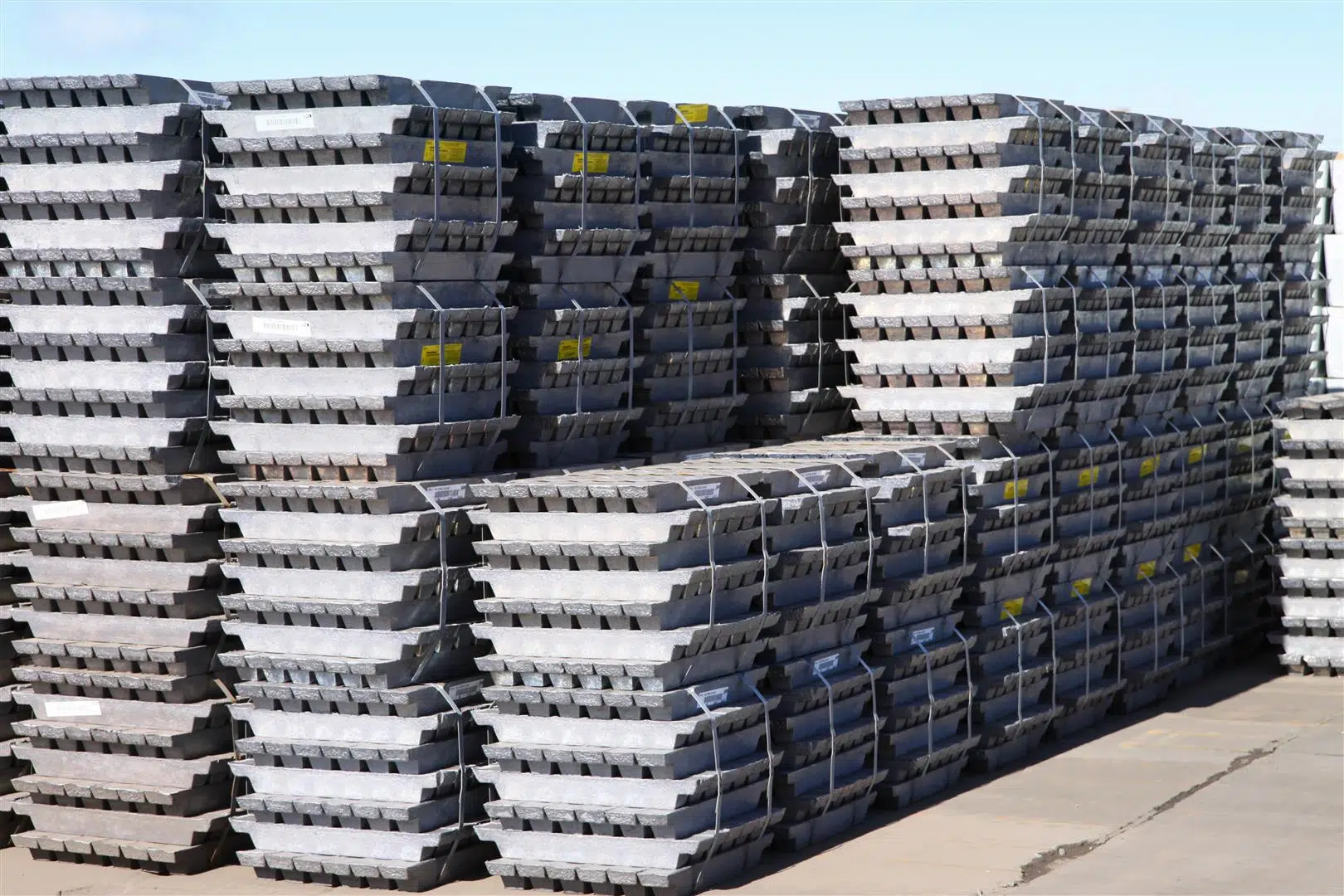
Photo: Nyrstar