

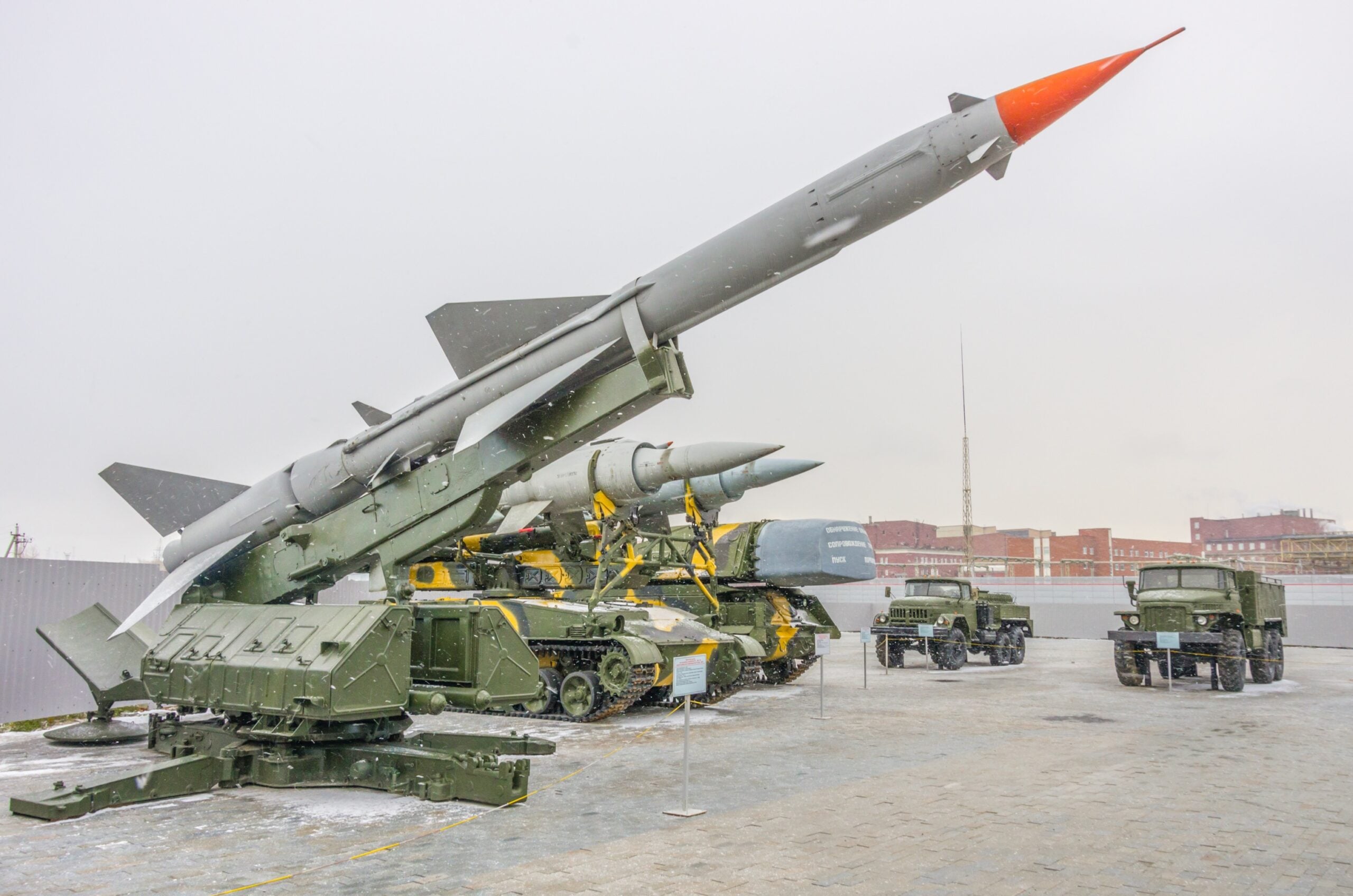
They may never make headlines, but thermal batteries are quietly powering some of the world’s most advanced defence systems. As nations invest heavily in missile defence, autonomous weapons and space-based security capabilities, these specialised energy sources are becoming increasingly critical to military readiness and operational success.
As nations race to strengthen missile defence systems, expand military space programmes and deploy increasingly sophisticated autonomous weapons, one often-overlooked technology is quietly becoming indispensable: the thermal battery.
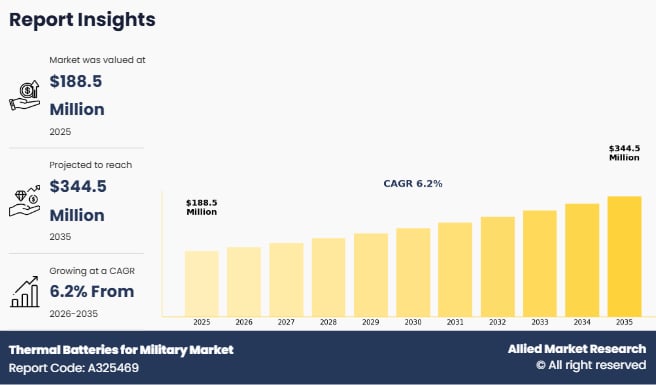
According to new research from Allied Market Research, the global military thermal battery market is expected to grow from US$188.5 million in 2025 to US$344.5 million by 2035, reflecting a CAGR of 6.2%.
Behind that growth lies a simple reality: modern defence systems need power sources that can sit dormant for years, survive extreme environments and deliver instant, dependable energy the moment they’re called upon.
Built for the harshest missions
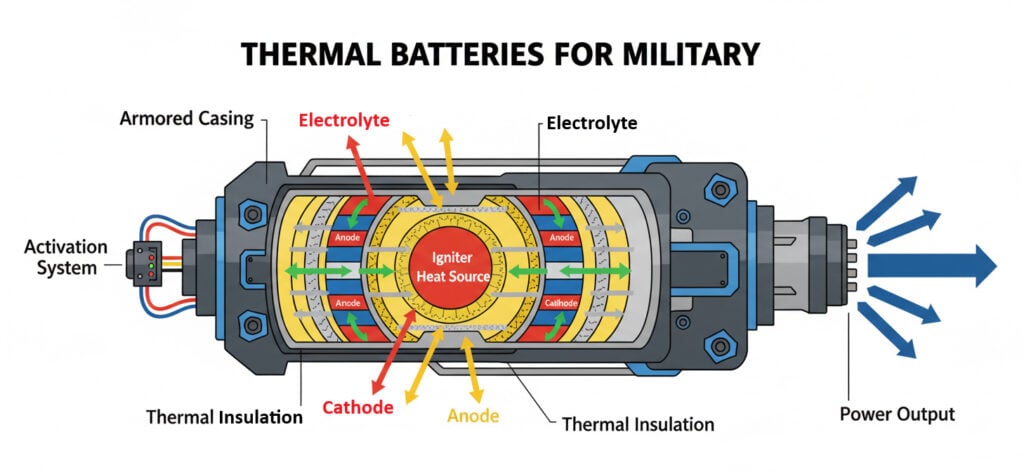
Unlike conventional batteries, thermal batteries are designed specifically for mission-critical applications. They remain inactive for long periods without degradation, then activate instantly when required – a characteristic that makes them ideal for missiles, torpedoes, emergency systems and advanced aerospace platforms.
Their ability to withstand severe temperatures, intense vibration and mechanical shock has made them a trusted power source across a growing range of military technologies.
As armed forces increasingly invest in precision-guided munitions, electronic warfare systems and autonomous platforms, demand for highly reliable onboard power is rising in parallel.
North America leads, Asia-Pacific accelerates
North America currently dominates the market, driven largely by the United States’ continued investment in missile defence, aerospace innovation and next-generation weapons programmes.
A strong defence-industrial base, combined with close collaboration between major defence contractors and battery manufacturers, has helped cement the region’s leadership position.
However, the fastest growth is expected to come from Asia-Pacific, where countries including China, India, Japan and South Korea are rapidly increasing defence spending and expanding domestic manufacturing capabilities.
Missile development programmes, military modernisation initiatives and growing ambitions in aerospace and space defence are all helping to fuel demand across the region.
Why reliability matters more than ever
In military operations, power failure is not simply inconvenient—it can compromise an entire mission.
That reality explains why thermal batteries continue to play such a vital role in advanced weapons systems. Guided missiles, for example, rely on them to power navigation, communication and control systems after years in storage.
The same reliability is increasingly valued across a broader range of applications, from artillery systems and aircraft safety equipment to sophisticated battlefield electronics.
As armed forces deploy more connected and electronically complex systems, dependable power sources are becoming a strategic requirement rather than just a component.
Defence modernisation drives demand
Rising defence budgets worldwide are creating fresh opportunities for thermal battery manufacturers.
Governments are investing heavily in precision-guided weapons, missile defence architectures and unmanned systems designed to operate in increasingly contested environments. These platforms demand compact, durable and maintenance-free power solutions capable of performing flawlessly under pressure.
Thermal batteries align closely with those requirements, offering both long-term readiness and immediate activation—two qualities that are particularly valuable in emergency response and strategic defence applications.
“In modern warfare, reliability is everything—and thermal batteries are proving indispensable when mission failure is not an option.”
Innovation is reshaping the technology
The sector is also benefiting from ongoing advances in battery engineering.
Manufacturers are investing in new electrode materials, electrolyte technologies and thermal management systems that improve energy density, extend activation periods and enhance operational safety.
At the same time, the defence industry’s push toward smaller, lighter and more sophisticated platforms is driving demand for compact battery designs that deliver greater performance in reduced form factors.
As next-generation weapons become increasingly electronic and software-driven, battery technology is evolving alongside them.
Space and autonomous systems create new opportunities
Perhaps the most exciting growth area lies beyond traditional defence applications.
The rapid expansion of unmanned aerial vehicles (UAVs), autonomous underwater systems and smart munitions is creating new demand for specialised power solutions capable of delivering instant, high-energy output.
Military space programmes are also emerging as a major opportunity.
Satellites, launch vehicles and space-based defence systems operate in some of the harshest environments imaginable, requiring power technologies that can withstand extreme temperatures and long operational lifecycles. Thermal battery developers are increasingly tailoring products to meet those requirements.
As governments place greater strategic emphasis on space security, this segment is expected to become an increasingly important driver of future growth.
Image credit: Envato
Source: https://www.alliedmarketresearch.com/thermal-batteries-for-military-market-A325469