

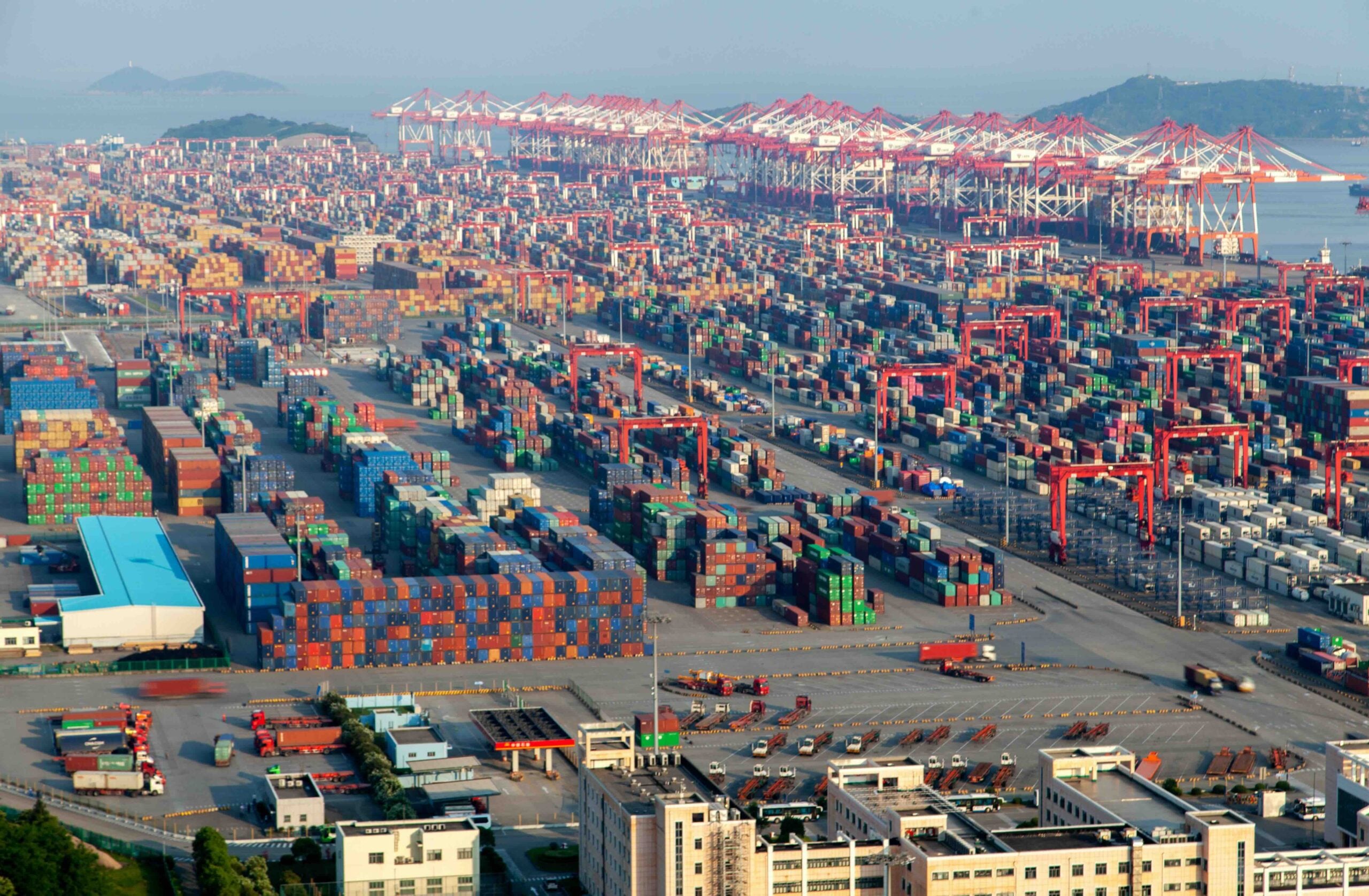
Chinese customs figures reported by Shanghai Metals Market (SMM) on October 21 showed that exports reached 20.66 million lead-acid batteries in September, an increase of 20.9% year-on-year and 5.6% compared with August.
The recovery in international demand has yet to reverse the decline earlier in the year. Cumulative exports remained 2.3% below their level in the same period of 2025.
The question now is whether Chinese manufacturers can sustain growth while preserving profitability.
“Chinese lead-acid battery exports surged by almost 21% in September, but a widening gap between domestic and international lead prices threatens to undermine manufacturers’ profitability,” say analysts. “The question is whether Chinese producers can maintain their overseas market share without sacrificing margins — and whether competitors in India and elsewhere stand to benefit.”
Overseas sales are recovering, but the domestic cost of the lead needed to manufacture their batteries is rising relative to international prices, threatening the competitiveness of one of the world’s largest battery exporting industries.
Lead is the largest raw material component by weight in a conventional lead-acid battery and a huge proportion of its manufacturing cost. Higher prices hit manufacturers’ margins, particularly in competitive export markets where prices are often agreed before production and delivery. Manufacturers sourcing metal within China may find themselves paying more than overseas competitors purchasing lead at prices linked to the London Metal Exchange.
A Chinese exporter facing higher metal costs has three choices: increase selling prices, accept lower margins or reduce manufacturing and distribution costs.
Raising prices risks losing business to competitors, while accepting lower margins may be sustainable only for manufacturers with sufficient scale, financial resources or integrated recycling operations.
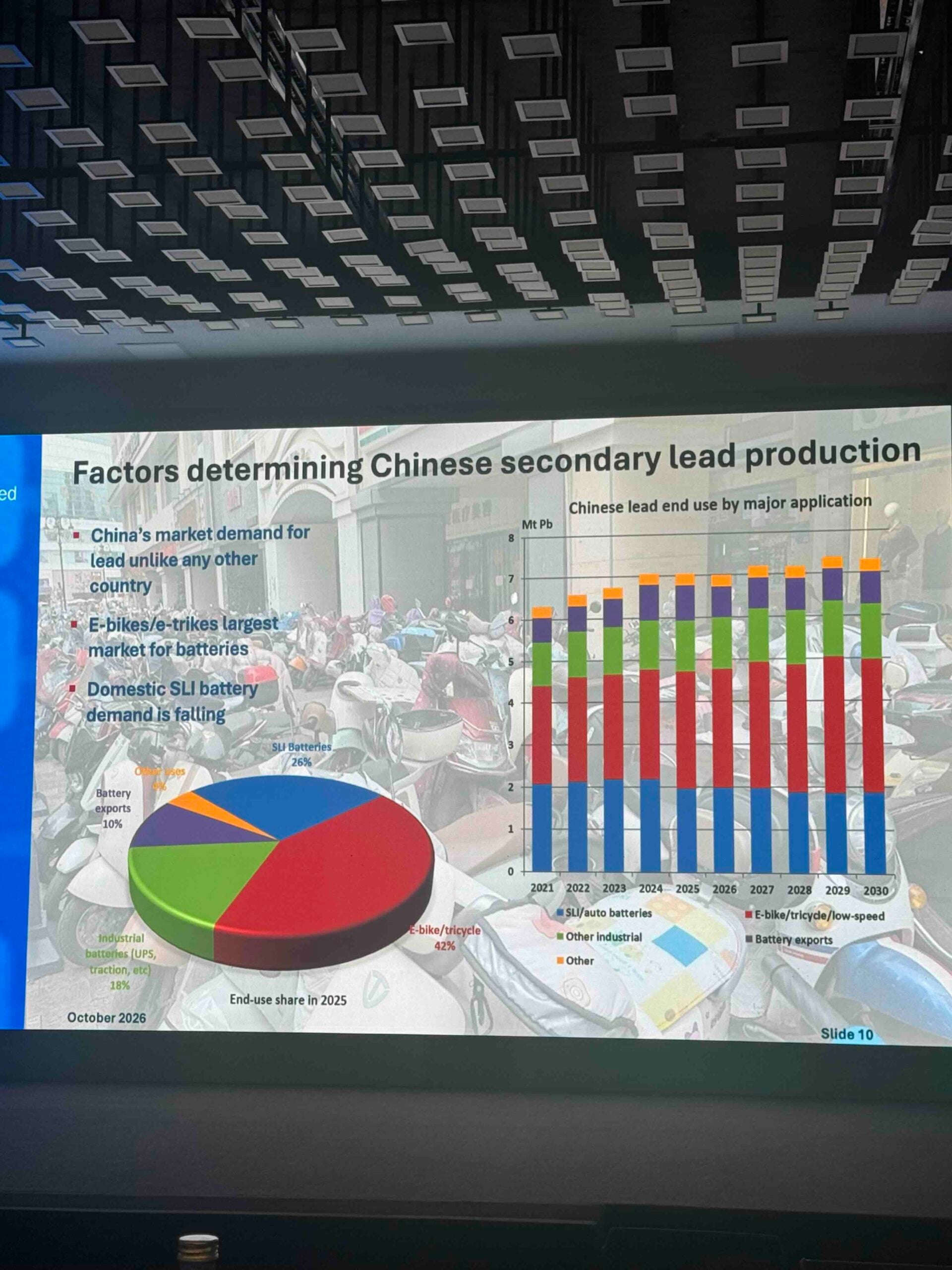
China’s secondary lead industry complicates things further.
Recent SMM reports indicate that scrap availability has constrained some secondary lead producers, even as smelter operating rates have recovered following China’s October holiday period.
The effect is to expose Chinese battery exporters to a cost structure that may become increasingly disconnected from that of their overseas competitors.
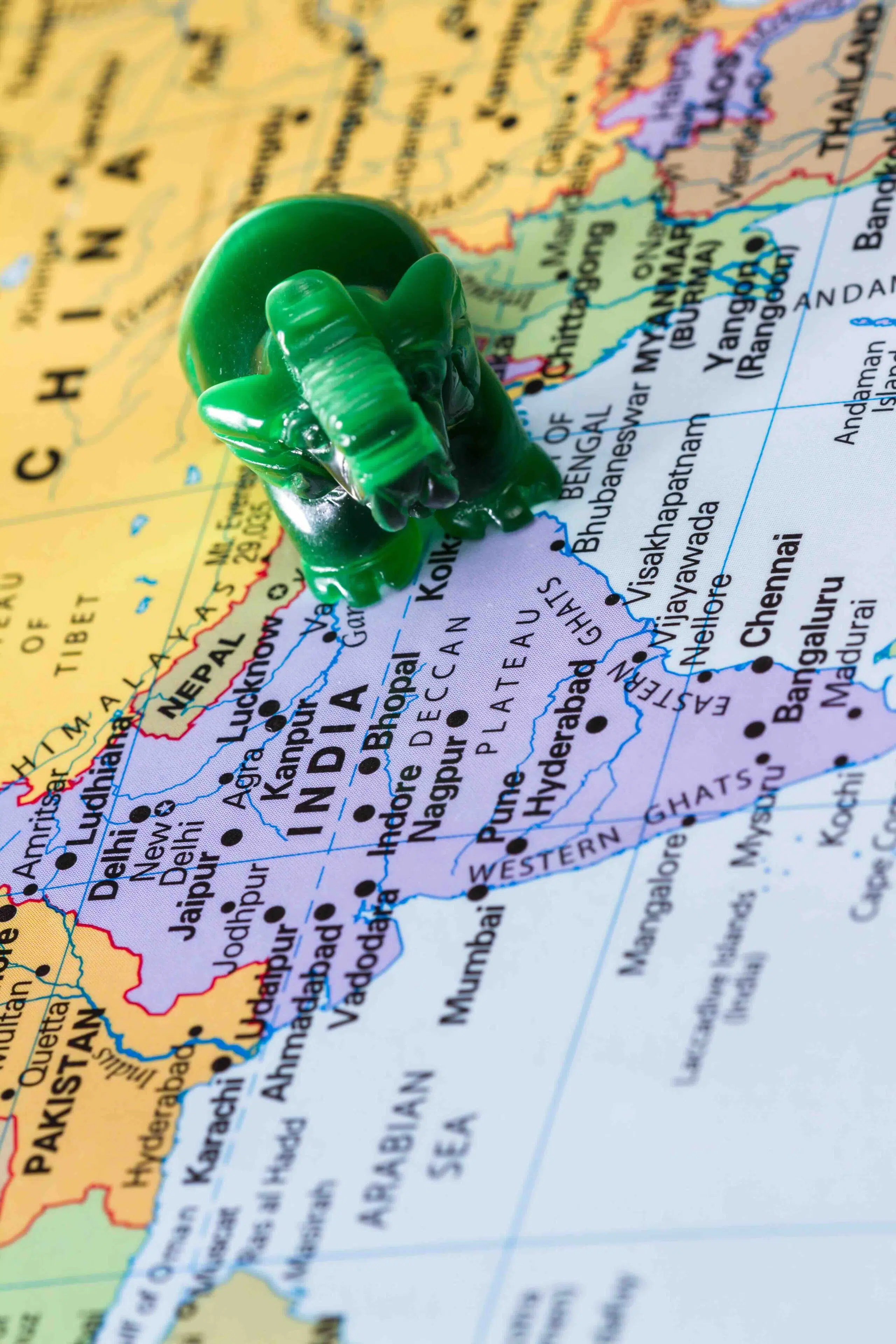
For Indian manufacturers, this could present an opportunity. India has a substantial lead-acid battery manufacturing industry, with established producers serving automotive replacement, industrial, telecommunications and standby power markets. Its recycling industry is also expanding, with companies investing in additional refining capacity and international scrap collection networks.
If Chinese manufacturers are unable to pass higher domestic lead costs to overseas customers, Indian producers may find themselves better placed to compete in price-sensitive export markets across Africa, the Middle East and South Asia.
However, the advantage is far from automatic. Indian battery manufacturers are also exposed to fluctuations in international lead prices, currency movements and recycling costs. Their competitiveness will depend on whether they can secure reliable metal supplies at prices that remain favourable relative to those paid by Chinese competitors.
The longer-term figures underline the scale of the challenge. According to SMM’s February 2026 industry outlook, Chinese lead-acid battery exports fell 12.79% in 2025 to 219 million units. At times during the preceding two years, the domestic lead price premium over international prices exceeded RMB3,000 per tonne, contributing to lost overseas orders.
The report also identified India as China’s largest lead-acid battery export destination in 2025, although shipments to the country fell 33.39% year-on-year. Exports to the US declined by 48.59%.
These figures suggest that Chinese manufacturers were already encountering difficulties in maintaining their international competitiveness before September’s recovery.
There is another possible consequence. Chinese battery producers have increasingly been establishing manufacturing operations outside China, particularly in Southeast Asia. Locating production closer to overseas customers can reduce exposure to tariffs and shipping costs while potentially allowing manufacturers to source lead under different pricing arrangements.
Such investments could help Chinese-owned businesses maintain their international market positions, even if direct exports from China become less competitive.
SMM’s October 21 assessment described the September recovery as being driven more by the need to maintain market share and fulfil seasonal orders than by improving profitability. It warned that persistently high Chinese lead prices could discourage smaller exporters from accepting new business.
September’s figures therefore present a paradox. China’s lead-acid battery industry is exporting more batteries, but higher sales volumes don’t necessarily mean stronger financial performance.
Whether the recovery continues into 2027 may depend less on the strength of overseas demand than on the ability of Chinese manufacturers to bring their raw material costs closer to those of their international competitors.
For the moment, China’s battery exporters appear to be winning back sales. The unanswered question is how much profit they are making from them.