

Guangzhou Addimaster Chemicals is expanding production capacity for lead battery additives as Chinese battery exports increase and domestic manufacturers report differences in demand between automotive and e-bike markets.
Chinese battery additive manufacturer Guangzhou Addimaster Chemicals announced on October 19 that it is building a factory in Shaoguan with planned first-phase production capacity of 30,000 tonnes of battery additives, including tetrabasic lead sulphate (4BS), lignin, graphene and other carbon materials.
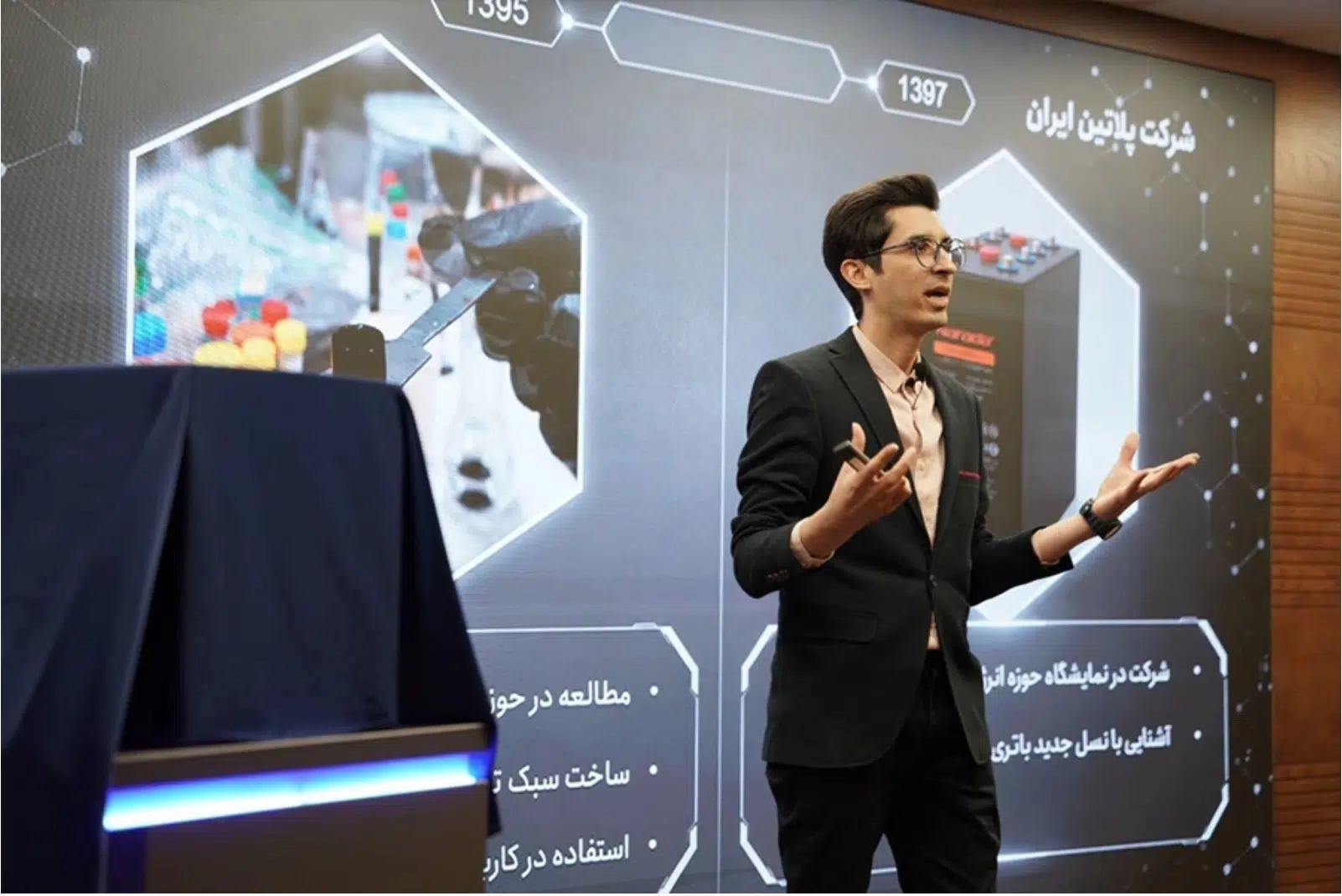
The company disclosed the expansion in material published by Shanghai Metals Market (SMM) ahead of its Global Lead-Acid Battery Supply Chain Industry Conference in Ho Chi Minh City.
Addimaster, founded in 2011, already reports annual production capacity of 15,000 tonnes of battery additives. The Shaoguan development could therefore increase its stated capacity to 45,000 tonnes a year if the new plant’s first phase is additional to existing operations and reaches its planned output.
The company has not disclosed the investment required, a commissioning date or the proportion of the proposed capacity allocated to individual additives.
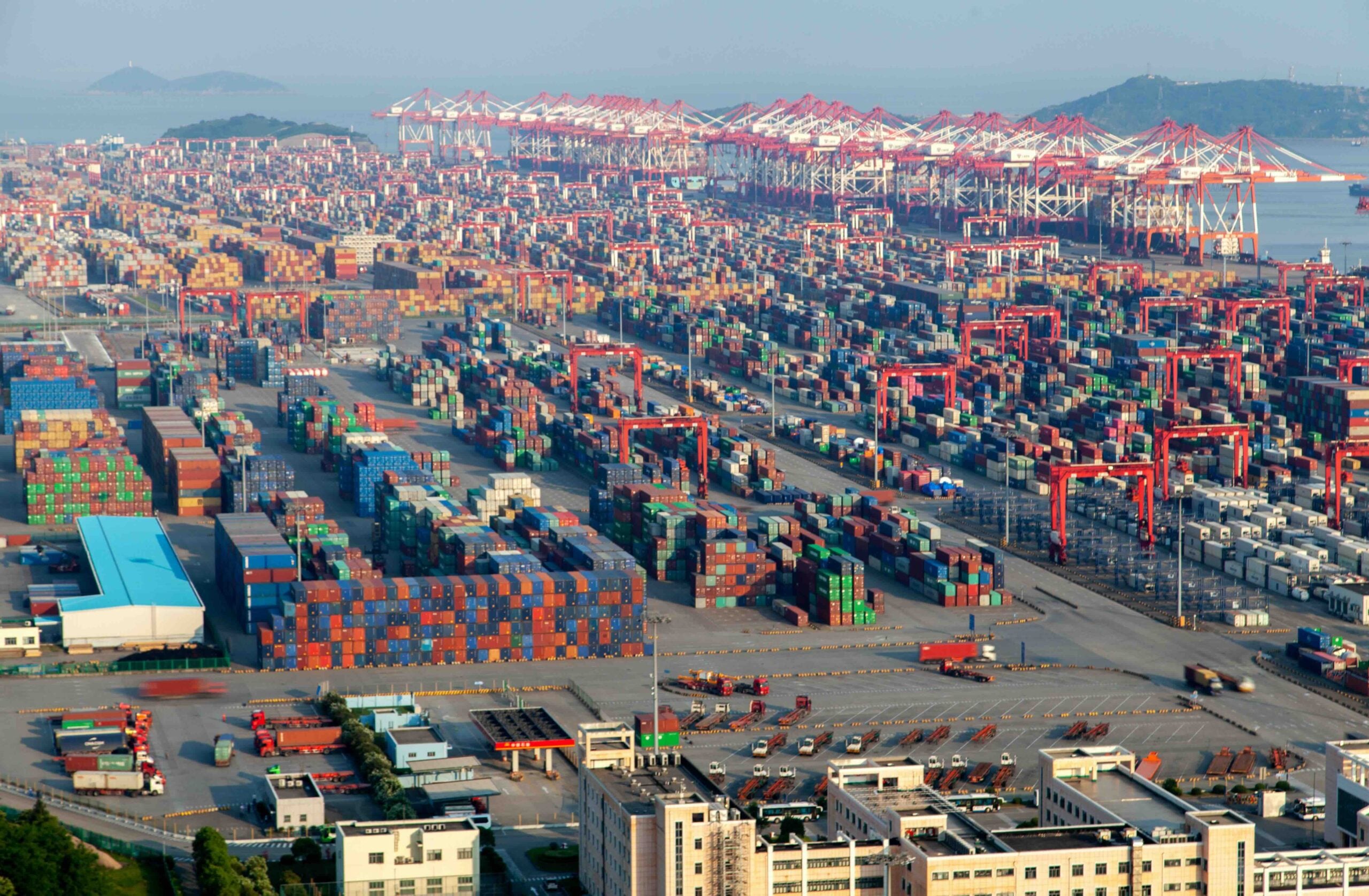
The expansion comes as Chinese lead battery manufacturers report an increase in exports despite pressure on production costs and margins.
According to SMM figures published on October 21, China exported 20.66 million lead-acid batteries in September, an increase of 20.92% compared with the same month in 2025.
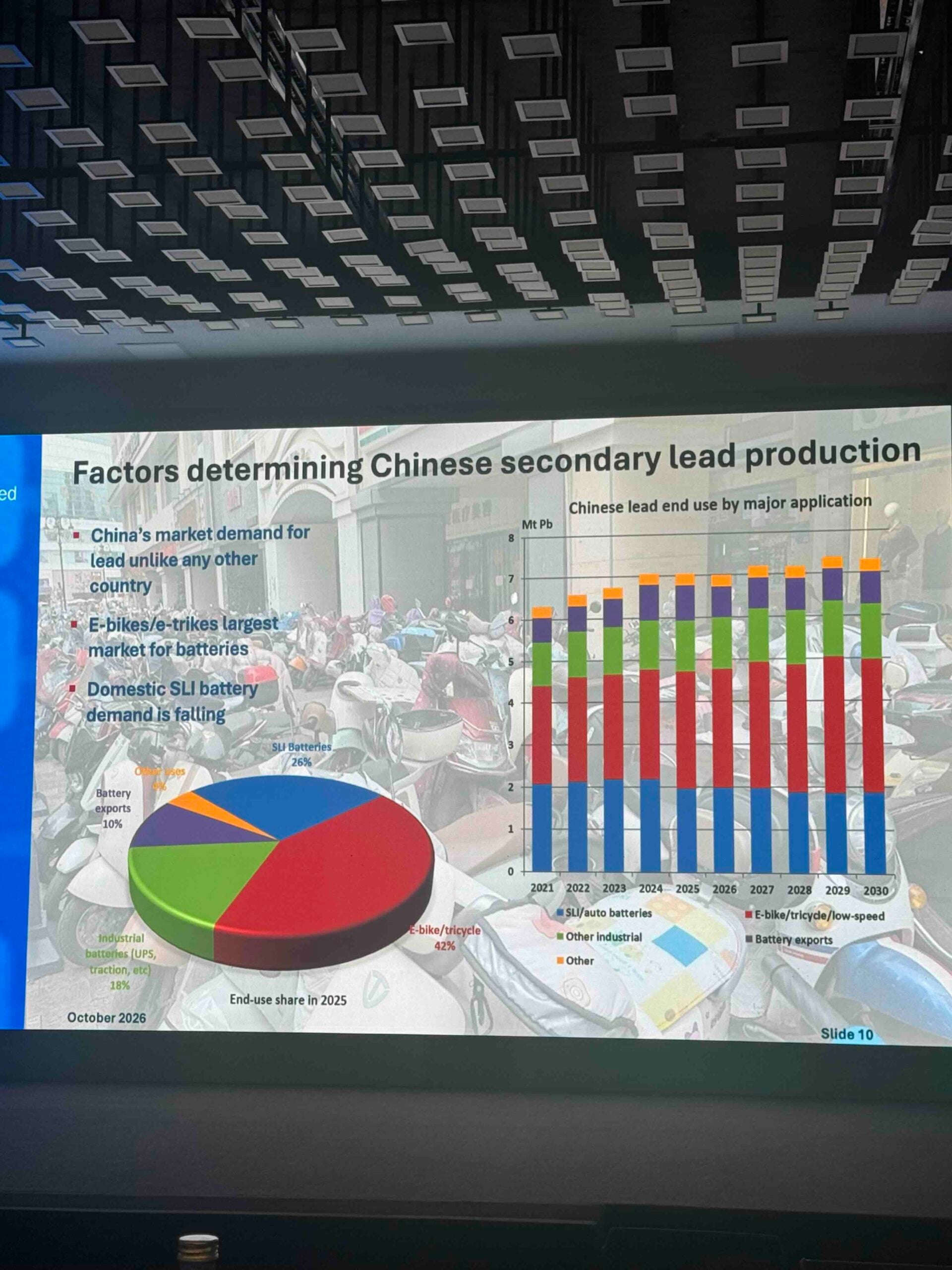
The figures suggest that overseas demand is supporting Chinese manufacturers at a time when domestic consumption is showing differences between automotive and electric bicycle applications.
SMM reported that manufacturers were seeking to maintain export orders despite Chinese lead prices remaining high relative to international benchmarks, putting pressure on profitability.
Higher domestic lead costs can affect the competitiveness of exported batteries, particularly where overseas customers negotiate prices against manufacturers operating in markets with lower raw material costs.
Export volumes alone do not establish whether manufacturers are increasing profits. The value of sales, battery mix, raw material expenditure and transport costs also affect the returns earned on overseas orders.
Within China, battery factory operating rates continued to increase during October.
SMM reported on October 23 that the average operating rate among lead-acid battery manufacturers surveyed across five provinces reached 74.16% during October 16–22, an increase of 0.79 percentage points from the preceding week.
The increase was attributed to automotive battery manufacturers raising production ahead of the fourth-quarter replacement season.
However, the electric bicycle battery market was approaching the end of its seasonal demand period, with some manufacturers reporting a decline in orders.
SMM said production had not yet undergone major adjustments but warned that manufacturers could reduce November output plans if e-bike orders continued to weaken.
The figures point to differences within China’s lead battery market, where automotive replacement demand, electric bicycle sales, industrial applications and exports follow separate demand cycles.
For additive suppliers such as Addimaster, the investment in production capacity reflects the role of materials technology in battery manufacturing as producers seek improvements in performance and production efficiency.
The company supplies negative electrode expanders, 4BS seed materials and sodium lignosulphonate for batteries used in starting, start-stop, traction, energy storage and backup power applications.
Its proposed Shaoguan factory will also produce graphene and other carbon materials, reflecting interest in additives that can improve charge acceptance and cycle life, particularly in batteries operating at partial states of charge.
Carbon additives are used in negative active materials to improve conductivity and address problems associated with sulphation. Their performance depends on the type of carbon, its surface characteristics, concentration and interaction with other components of the electrode formulation.
The 4BS process addresses a different part of battery manufacture. Tetrabasic lead sulphate is used in positive plate production, where control of crystal formation and curing conditions can influence plate structure, battery life and manufacturing consistency.
Addimaster has developed its business around these technologies and operates a 2,000m² research and development centre in Guangzhou employing 50 technical personnel, including five PhD holders and 20 staff with master’s degrees.
The centre carries out materials analysis and testing using equipment including X-ray diffraction and scanning electron microscopy.
The planned expansion would increase Addimaster’s capacity to supply manufacturers developing lead batteries for applications requiring higher cycle life, charge acceptance and performance under demanding operating conditions.
However, the timing of the investment also raises questions about how much additional additive capacity China’s battery industry will require.
Although exports increased in September and automotive battery manufacturers are raising production, weakening e-bike orders could affect domestic battery output during the final months of the year.
Additive demand will also depend on the extent to which battery manufacturers adopt graphene, carbon formulations and 4BS-based production processes, rather than relying on existing materials and manufacturing methods.
Addimaster has not disclosed customer commitments for the Shaoguan plant or indicated how much of its planned production will be sold within China and how much will be exported.
The company’s expansion nevertheless comes at a time when Chinese lead battery manufacturers are seeking to defend export markets while managing raw material costs and changes in domestic demand.
Whether the proposed 30,000 tonnes of additional capacity can be absorbed will depend on battery production volumes, the adoption of new additives and Addimaster’s ability to secure customers at home and overseas.