
Australia-headquartered Sicona Battery Technologies has acquired 100% of New Orleans battery tech company Advano, giving it a US operating based including a pilot manufacturing plant, R&D labs and cell-testing equipment.
Sicona confirmed the deal, for an undisclosed sum, on September 16. The announcement came just weeks after Sicona secured a funding boost of up to A$45 million ($31 million) to demonstrate manufacturing of its advanced silicon-carbon battery anode material in Australia.
The company plans to install its own SiCx silicon-carbon anode production process at the US plant to support Advano’s existing US customers — and expand the New Orleans operation into what it called a ‘super pilot’ facility to produce enough material for over three million battery cells.
The facility will target a wide variety of applications including AI datacentre battery backup systems, robotics, power tools, autonomous systems, drones, electric vertical take-off and landing (eVTOL) aircraft and defence.
Sicona said the acquisition will solidify its position as one of the leading IP holders in the field of mechanical silicon anode materials and consolidate Advano’s silicon anode patent portfolio.
Advano, founded in 2016, has developed a silicon-based anode material designed to increase lithium ion battery energy density and reduce cost per kilowatt hour. The company has raised around $46 million to date.
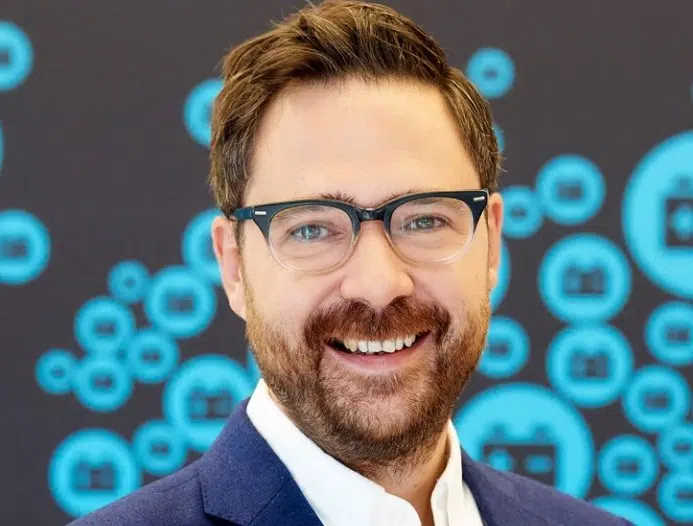
Sicona founder and CEO Christiaan Jordaan said the deal has particular significance, coming as two US laws shift the economics of battery production towards American plants.
From October 2027, one law prevents procurement of batteries produced by certain Chinese battery manufacturers while another already pays companies 10% of battery anode material production costs, if made within the US.
Jordaan said Sicona will produce anode material inside the US before the 2027 restrictions take effect, which will allow an Australian company to compete for American contracts on price and origin.
According to Sicona, its US plans have also been conditionally selected for unspecified congressional appropriations funding.
Meanwhile, distinguished energy storage scientist Shirley Meng, most recently chief scientist at the Argonne Collaborative Center for Energy Storage Science, will join Sicona as scientific adviser.
Meng said silicon-based anodes have the potential to deliver major improvements in battery energy, power and charging performance, but successful commercialisation depends on materials that can be manufactured safely, economically and at meaningful scale.
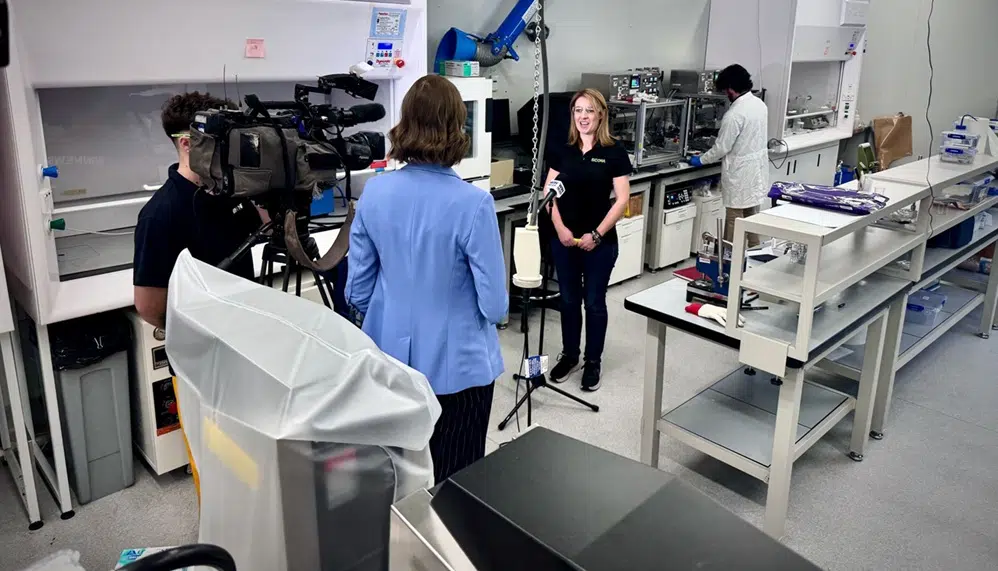
Photo: Sicona/LinkedIn