

China’s lead-acid battery market is showing contrasting demand trends, with automotive battery manufacturers maintaining relatively stable production while the electric bicycle sector faces weakening orders as its traditional peak season draws to a close.
According to Shanghai Metals Market (SMM), reporting on October 23, demand for automotive lead-acid batteries remained steady, with some manufacturers recording modest increases in production.
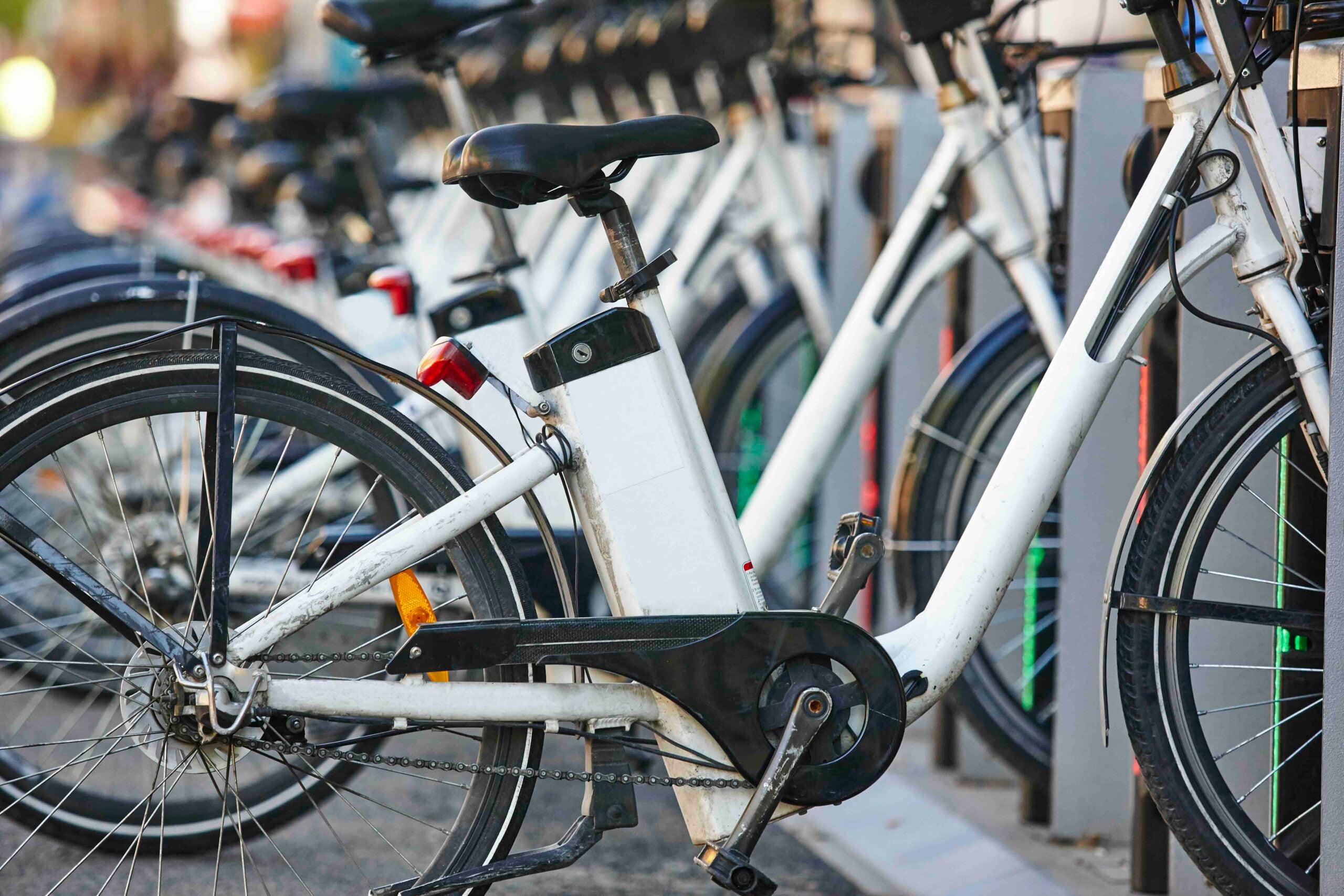
The picture was less positive for electric bicycle batteries. Seasonal consumption had weakened, while several manufacturers had completed deliveries of earlier orders and were increasingly adopting a production-to-sales approach.
SMM said some e-bike battery producers were seeing weaker new orders, although production levels had not yet undergone any major adjustments.
The market’s performance was also being affected by regulatory difficulties in China’s electric bicycle sector. The suspension of compulsory 3C product certification for certain electric bicycle models has prevented some consumers from registering their vehicles, making sales more difficult for dealers.
SMM said the certification issues could continue to affect the wider electric bicycle market in the coming weeks.
The divergence between the two battery segments was also reflected in manufacturing activity.
SMM reported that the comprehensive weekly operating rate of lead-acid battery manufacturers across five Chinese provinces reached 74.16% during October 16–22, an increase of 0.79 percentage points from the previous week.
The improvement was largely attributed to automotive battery manufacturers gradually increasing production ahead of the traditionally stronger fourth-quarter period.
By contrast, the traditional peak season for electric bicycle lead-acid batteries was approaching its end. Some manufacturers reported that new orders were already beginning to weaken, raising the possibility of production adjustments in November if the trend continued.
According to data cited by Caixin Global on October 15, domestic electric two-wheeler sales fell 4.8% year on year to 48.4 million units during the first nine months of 2026.
However, the market had shown signs of recovery during the third quarter, when sales increased 9% year on year to more than 20 million units.
The improvement followed a difficult first half, during which sales were affected by the high comparison base created by China’s 2025 trade-in programme and the introduction of stricter electric bicycle safety requirements.
The suspension of 3C certification for certain models in October introduced another source of uncertainty, disrupting vehicle registrations and dealer sales.
These developments are important for the lead-acid battery industry because electric two-wheelers represent a significant end-use market for conventional lead-acid batteries in China.
While the growth of lithium-ion batteries has increased competition in the segment, lead-acid batteries remain widely used in China’s electric bicycle market, particularly in lower-cost models.
The immediate outlook is therefore likely to depend on how quickly manufacturers and dealers can resolve certification issues, as well as whether consumer demand recovers following the seasonal slowdown.
For lead-acid battery producers, the contrast with the automotive replacement market is becoming increasingly apparent. Automotive battery demand is providing a degree of stability as manufacturers prepare for the fourth-quarter peak season, while e-bike battery producers face a more uncertain order environment.
SMM said that if the weakness in new e-bike orders continues, some manufacturers may reduce production plans in November.