
South Korea aims to invest KRW1,000 trillion ($750 billion) in a package of support to drive carbon neutrality and economic growth by 2035 — with batteries among designated national flagship green industries.
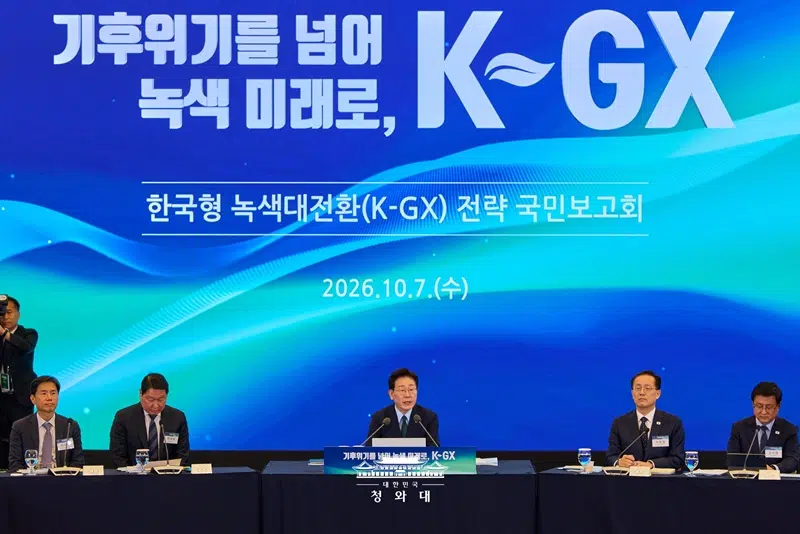
The country’s president, Lee Jae Myung, unveiled the Korea-Green Transformation strategy report on October 7, just days after he said materials critical to the battery industry and manufacturing technology were at the centre of a ‘new Silk Road’ pact with Central Asian nations.
Lee said other ‘flagship’ sectors would include energy storage, solar power, small modular nuclear reactors, hydrogen and carbon capture.
The government will also earmark financial support for five high-emission sectors (steel, petrochemicals, refining, cement and semiconductors) to help demonstrate hydrogen-based steelmaking and development of eco-friendly raw materials to transform their production processes into low-carbon methods.
Expansion of renewable energy capacity will target an increaset of 100GW by 2030 and raise the share of zero-emission vehicles among new models to more than 70% by 2035.
Speaking at the Korea Chamber of Commerce and Industry in Seoul, Lee pledged a boost in tax credits for domestically produced key components and the commercial application of related technologies.
According to the strategy, over the next decade, five unidentified major policy financial institutions will provide KRW200 trillion ($150 billion) in state-backed fiscal funding and over KRW790 trillion in climate finance.
Green bonds will be issued for 200 promising climate tech companies to support a sustainable ecosystem for the green economy.
Korea’s scramble to shore up the country’s battery industry was first reported by Batteries International last year, when the government announced an initial cash infusion worth close to the equivalent of $15 billion as a global slump in EV sales took its toll on the industry.
Earlier this year, US battery tech company Coreshell Technologies agreed an eight-year LFP supply deal with Korea’s L&F Corporation, in a move to offer a “fully China-free” battery materials option.
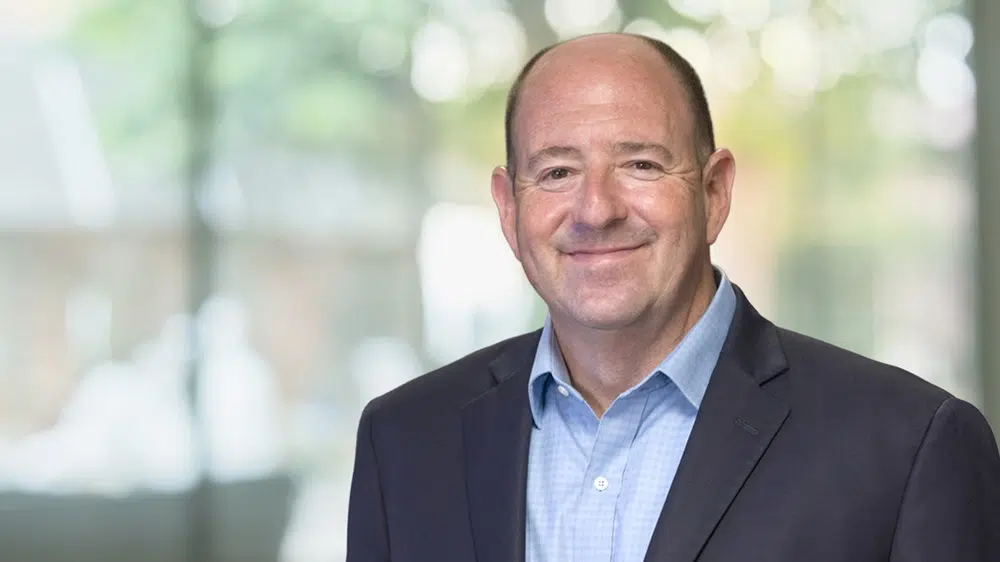
Photo: Cheong Wa Dae - office of the president